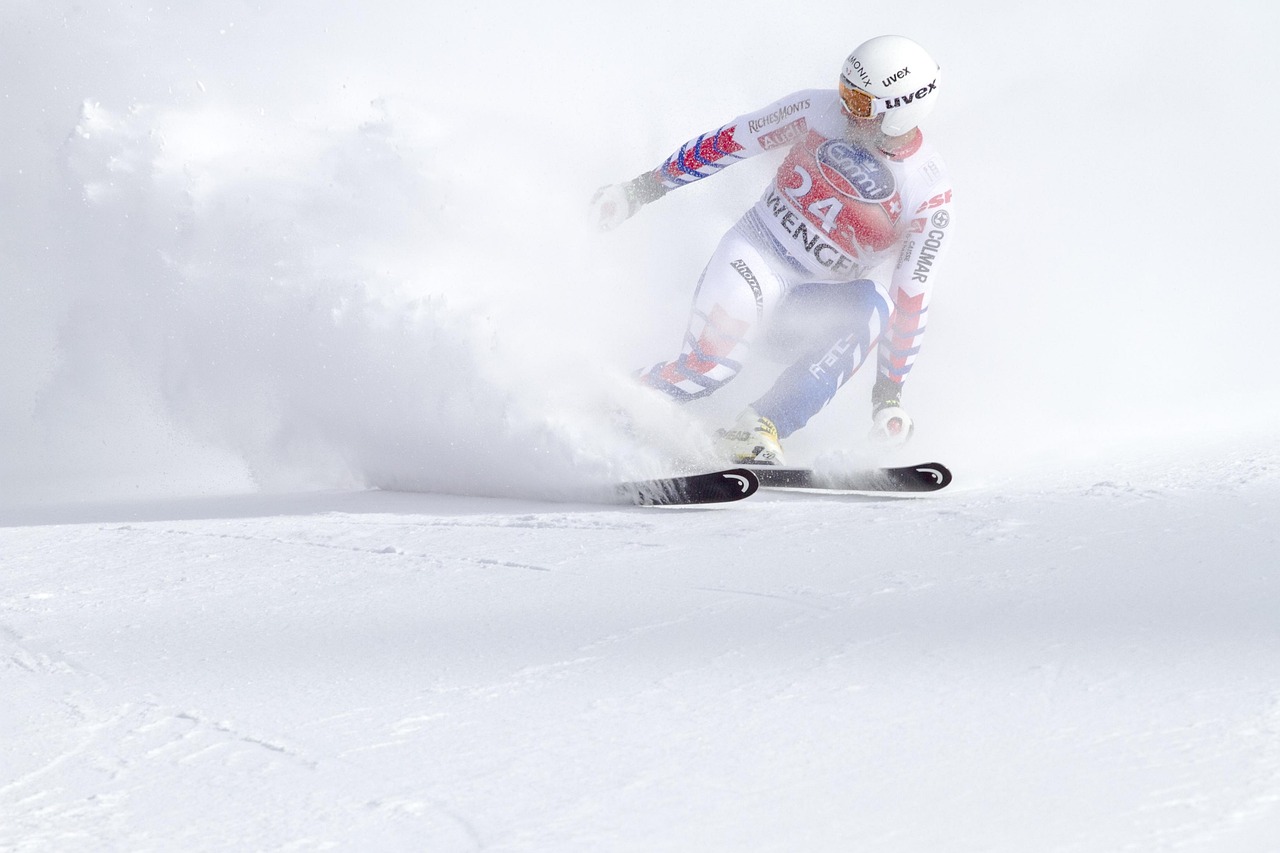

Advanced Techniques in Ski Race Training
In the world of competitive skiing, mastering advanced techniques is crucial for achieving peak performance. Ski race training programs have evolved significantly over the years, incorporating a variety of methodologies to enhance athletes’ skills. These techniques often combine elements of physical conditioning, mental training, and technical refinement. One essential aspect of training is to develop strength and endurance through targeted workouts. This can include weightlifting, cardiovascular exercises, and flexibility routines. Furthermore, focusing on agility and balance is paramount. This not only improves performance during training sessions but also reduces the risk of injuries during races. Techniques like plyometrics and functional movements are effective in building these qualities. Additionally, incorporating drills that mimic racing conditions is essential. These can include slalom drills, timed runs, and various terrain challenges to simulate race day. Nutrition and recovery play vital roles as well, allowing athletes to perform at their best. A balanced diet tailored to meet specific energy demands is important. To maximize effectiveness, training programs should be individualized and adapt to each athlete’s unique strengths and weaknesses.
Physical Conditioning for Skiers
Physical conditioning forms a crucial foundation for ski race training programs, enabling athletes to develop the strength and endurance essential for competitive skiing. A well-structured training regimen should integrate various exercise modalities to build overall fitness. Resistance training is vital for enhancing muscle strength, particularly in the legs, core, and upper body. Exercises like squats, lunges, and deadlifts specifically target key muscle groups used while skiing. In addition to strength, cardiovascular endurance should not be neglected. Activities such as cycling, running, or rowing can help improve stamina, which is necessary for sustaining performance during long races. Athletes also benefit from flexibility and mobility training, which can enhance range of motion and prevent injuries. Yoga and dynamic stretching exercises are excellent choices for incorporating flexibility training. Balance training is especially important in skiing; therefore, including stability ball exercises and balance board drills can refine this skill. By focusing on these aspects, athletes create a solid physical foundation that supports their advanced skiing techniques, leading to improved race performance and reduced risk of injury.
Another fundamental component of effective ski race training is the incorporation of technical skills development. Concentrating on precision and finesse in skiing techniques can dramatically enhance overall performance. Skiers must master various skills, such as carving, edging, and weight distribution, to navigate courses effectively. Professionals often highlight the importance of posture and body alignment while skiing. Maintaining an aerodynamic position not only enhances speed but also provides better control during turns and technical sections. To practice these skills, athletes should engage in specific drills that emphasize technique, such as short turns, long turns, and gate training. Video analysis can prove invaluable during this phase, allowing skiers to visualize their performance and identify areas for improvement. This feedback mechanism encourages athletes to make necessary adjustments in real-time. Furthermore, integrating visual imagery techniques can significantly improve mental preparation. Skiers can mentally visualize themselves executing perfect runs, which can translate to improved performance on the snow. Continuous refinement of these technical skills is crucial for competing at high levels, especially in challenging environments that demand adaptability and precision.
Mental Preparation Strategies
Mental preparation strategies are often overlooked in ski race training programs, yet they play an essential role in achieving optimal performance. The competitive nature of skiing can lead to significant pressure, and athletes must develop coping mechanisms to navigate this stress. Visualization techniques are widely recognized in sports psychology, allowing skiers to mentally rehearse race scenarios and strengthen their focus. This practice contributes to building confidence and reducing anxiety before competition. Additionally, athletes can engage in mindfulness and relaxation exercises to enhance their mental resilience. Practices such as deep breathing, progressive muscle relaxation, and meditation can significantly improve concentration. Alongside these techniques, establishing clear goals is critical. Athletes should set SMART (Specific, Measurable, Achievable, Relevant, Time-bound) goals to track progress and maintain motivation throughout their training. Regularly reviewing these goals aligns training efforts with desired outcomes. Engaging with a sports psychologist may also benefit athletes in fine-tuning their mental strategies. By integrating mental conditioning with physical training, skiers can develop a more holistic approach to performance enhancement, achieving remarkable results in competitive environments.
In addition to physical and mental training, recovery techniques are integral to optimizing ski race performance. The intensity of training and competition can exert considerable strain on an athlete’s body. Thus, incorporating recovery strategies is crucial in ensuring longevity and peak performance levels. Active recovery sessions such as light jogging, cycling, or swimming allow the body to flush out lactic acid and enhance circulation. Nutrition is another critical aspect of recovery. Consuming a balanced meal rich in proteins, carbohydrates, and healthy fats post-training can expedite muscle recovery and replenish energy stores. Hydration plays a critical role as well; athletes should prioritize adequate fluid intake to maintain optimal performance. Furthermore, utilizing modalities like foam rolling, massage therapy, and ice baths can help reduce muscle soreness and decrease recovery time. Sleep should not be underestimated, as it directly impacts physical and mental well-being. Skiers should aim for quality sleep to support the body’s natural recovery processes. By prioritizing recovery, athletes can minimize injury risk and enhance their ability to perform at their best in races.
Nutrition for Optimal Performance
Nutrition for optimal performance in ski race training is fundamental. Skiers must fuel their bodies with the right nutrients to sustain energy levels and enhance recovery. Carbohydrates serve as the primary fuel source during high-intensity activities, making it essential to consume an ample amount of complex carbs such as whole grains, fruits, and vegetables. Pairing these with adequate sources of protein, including lean meats, fish, and legumes, supports muscle repair and growth. Healthy fats, such as avocados, nuts, and oils like olive or coconut oil, contribute to overall energy balance. When it comes to hydration, athletes must prioritize fluid intake to maintain optimal performance levels. Dehydration can lead to fatigue and hinder performance. During training and competitions, the use of electrolyte drinks can aid in replenishing lost minerals. Timing of nutrition is also critical; pre-training meals should focus on easily digestible foods to avoid discomfort. Furthermore, post-exercise snacks rich in protein and carbohydrates are necessary for effective recovery. By developing a tailored nutrition plan, skiers can enhance their training results and compete with confidence.
Finally, adopting a comprehensive approach to ski race training programs involves a commitment to consistent evaluation and adjustment. Athletes need to regularly assess their progress and performance metrics. Keeping detailed training logs assists in tracking improvements over time, allowing for insights into what works and what doesn’t. Utilizing technology, such as heart rate monitors and GPS devices, can provide quantitative data on training intensity and effectiveness. This information plays a crucial role in refining training methods and ensuring athletes optimize their outcomes. Furthermore, working closely with coaches enables better feedback and strengthens the trainer-athlete relationship. Coaches can provide critical insights and adaptations necessary for continued improvement. Engaging in peer discussions and team training sessions can also boost motivation and create a supportive environment. As ski racing is an evolving sport, staying informed about the latest techniques and methodologies can offer a competitive edge. Continuous learning through workshops or seminars can inspire innovative training strategies. Ultimately, a dedicated approach to ongoing evaluation and refinement can lead to enhanced performance and success in ski racing.