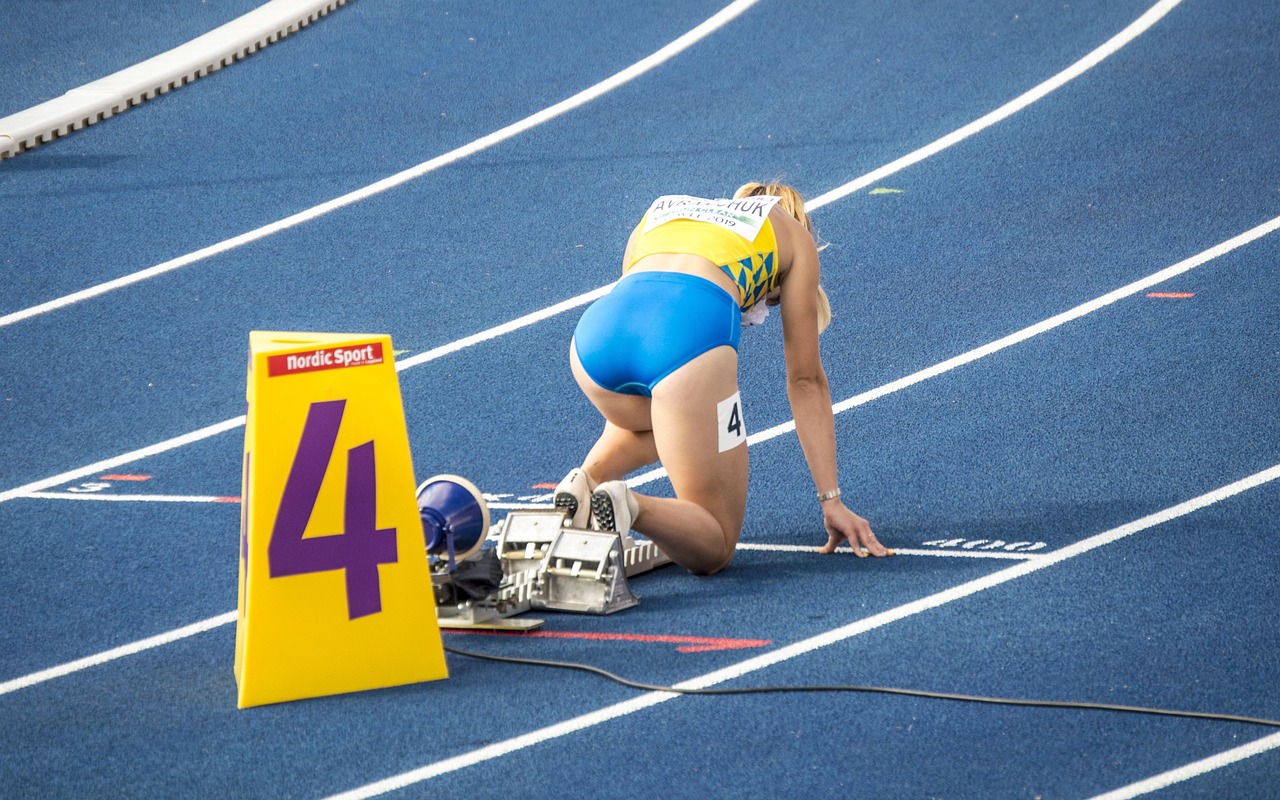

The Influence of Biomechanics on Sprint Start Techniques
Biomechanics plays a crucial role in enhancing the performance of sprint athletes, particularly during the start phase of a race. An effective sprint start technique can significantly influence overall race outcomes. The start requires a unique combination of explosive strength, balance, and coordination. Athletes must generate maximum force in a brief time frame to gain an advantage. In studying biomechanics, researchers dissect the mechanics of movements involved in the sprint start, evaluating angles, acceleration, and body mechanics. Understanding how forces interact allows for the development of optimized techniques. Athletes who leverage biomechanics effectively can reduce their reaction times and improve their acceleration out of the starting blocks. The use of video analysis and motion capture technology has advanced our understanding of sprint biomechanics, enabling athletes to visualize their technique and receive tailored feedback from coaches. Coaches can employ the findings to design specific training regimens focused on enhancing an athlete’s strengths while addressing areas needing improvement. Consequently, harnessing biomechanics in training regimes can lead to improved sprint start techniques and better race performance.
Central to effective sprint mechanics is the athlete’s body position during the start. A proper set position facilitates optimal force application and minimizes energy wastage. Athletes often begin crouched down in starting blocks, ready to propel forward. Coaches emphasize key aspects such as knee and hip angles, which can influence stride frequency and length. By optimizing these angles, athletes can increase their power output upon leaving the blocks. Additionally, balance is essential; if the athlete’s center of gravity shifts too much, it can lead to instability and slower reactions. Research indicates that improving balance through specific exercises can enhance biomechanical efficiency during the start. Moreover, athletes are encouraged to practice explosive movements that correspond with these biomechanical principles. Exercises focusing on lower-body strength and agility contribute to better performance at the start. Sprint drills incorporating drills like block starts and gravity drops can be strategically utilized in training. This reflects the impact of applied biomechanics, as athletes refine their movements through repetitive practice based on biomechanical insights, resulting in sustainable improvements in their sprint start techniques.
Force Production and Sprint Performance
Force production is a key factor influencing sprint start performance. The initial few steps following the start are critical, as they set the tone for the entire race. Athletes aim to generate maximum force while maintaining a low center of gravity, enhancing their acceleration. The angle of the sprinter’s foot strike is imperative; ideally, athletes should strike the ground with an effective angle to optimize the push-off force. Research demonstrates that the optimal angle of foot strike contributes to improved propulsion, aiding in horizontal displacement. Additionally, the timing of force application is vital; the faster a sprinter can apply force to the ground, the quicker they initiate acceleration. Consultants in biomechanics often emphasize the importance of leg drive during starts. By creating drills that simulate focused force production, athletes can refine their techniques. Such strides enhance the body’s capacity to mobilize energy effectively. Furthermore, using tools like force plates during training can help athletes fine-tune their force outputs for improved efficacy. This allows for tailored feedback, ultimately leading to enhanced speed performance during competitive events.
The coordination of body segments during the sprint start cannot be overlooked. Timing of arm movements is crucial; proper arm drive complements leg action, enhancing forward momentum. Athletes who synchronize arm movements with their leg stride can improve acceleration significantly. Biomechanical analysis highlights the relationship between segmented motion and overall performance. When arms move in a coordinated rhythm with the legs, it assists in maintaining balance and stability. Coaches often emphasize proper arm mechanics, focusing on a vigorous, natural drive. Effective arm movement not only accelerates forward motion but also aids in maintaining the athlete’s trajectory. There is an intricate relationship between upper and lower body coordination that can influence race outcomes. Athletes are often assessed using motion capture systems to track their movements, allowing for insights into their coordination patterns. Training can then be tailored based on these findings, implementing drills that focus specifically on enhancing the synchronization of arm and leg movements. This integration of biomechanics in training helps sprinters develop an effective synergy between their limbs, which is critical for an explosive start.
Importance of Start Blocks in Biomechanics
Start blocks are an essential piece of equipment in sprinting, providing a platform for athletes to push off effectively. The proper placement and angle of start blocks can significantly impact an athlete’s performance. Adjusting the blocks according to an individual’s biomechanics helps achieve optimal angles for force generation. The height of the blocks can also affect the body’s position, and thus the efficiency of the start. Close attention is paid to where athletes position their feet within the blocks; a well-placed foot will optimize the initial force applied against the ground. Research suggests that different athletes may require varying block settings, which depend on their unique leg lengths and stride patterns. Therefore, coaches must consider these personal biomechanical attributes when working with sprinters. Implementing block settings often involves trial and error, with athletes experimenting until they find the configuration that feels the most efficient. Coaches monitor the athletes as they practice in these adjustable settings, ensuring changes positively affect performance metrics. This process highlights the intersection of equipment design and biomechanics in shaping effective sprint start techniques.
Training adaptations are essential for optimal sprint performance. Athletes often undergo biomechanical assessments to identify strengths and weaknesses in their start techniques. Monitoring progress through consistent assessments allows athletes to adjust training regimens based on biomechanical feedback. Sprint-specific training programs incorporating strength, speed, and agility drills foster improvements in performance. Furthermore, coaches utilize periodization strategies to design training cycles that address different components of sprint biomechanics effectively. An athlete may focus on explosive strength during early training blocks, while later transitioning into speed development phases. Injury prevention is another significant aspect addressed via biomechanics. Understanding an athlete’s mechanics enables the identification of potential injury risks associated with sprint starts. By addressing issues proactively, athletes can mitigate injury risks linked to improper biomechanics. Proper recovery techniques and integrated strength training can also substantially improve the biomechanics of the sprint start. Athletes are encouraged to involve physical therapists and biomechanists in their training to facilitate recovery and ensure biomechanical efficiency. This overall supportive atmosphere enhances the athlete’s capability to employ biomechanics effectively during their sprint starts.
Conclusion: Optimizing Sprint Starts through Biomechanics
Overall, biomechanics offers valuable insights into optimizing sprint start techniques, crucial for competitive success. The intricate relationship between body mechanics, force production, and coordination illustrates the complexity of sprinting efficiently. Implementing biomechanics into a structured training regimen allows athletes to develop unique techniques that align with their physiological characteristics. By emphasizing specific mechanical principles across training cycles, athletes can cultivate measurable improvements in their performance during the start. Regular biomechanical assessments help gauge progress, ensuring athletes can make informed decisions regarding their training. The continuous evolution of technology enhances the understanding of biomechanics in sports, paving the way for predictive approaches to athlete development. With advancements in analysis tools, athletes can determine the most effective strategies for their sprint starts. Additionally, coaches play a vital role in embracing biomechanics as a valuable resource, marrying technical knowledge with athlete experience. The incorporation of evidence-based practices influences performance outcomes favorably. When athletes optimize their sprint technique through biomechanical principles, they not only enhance personal performance but also contribute to the broader understanding of sprint biomechanics in sports.