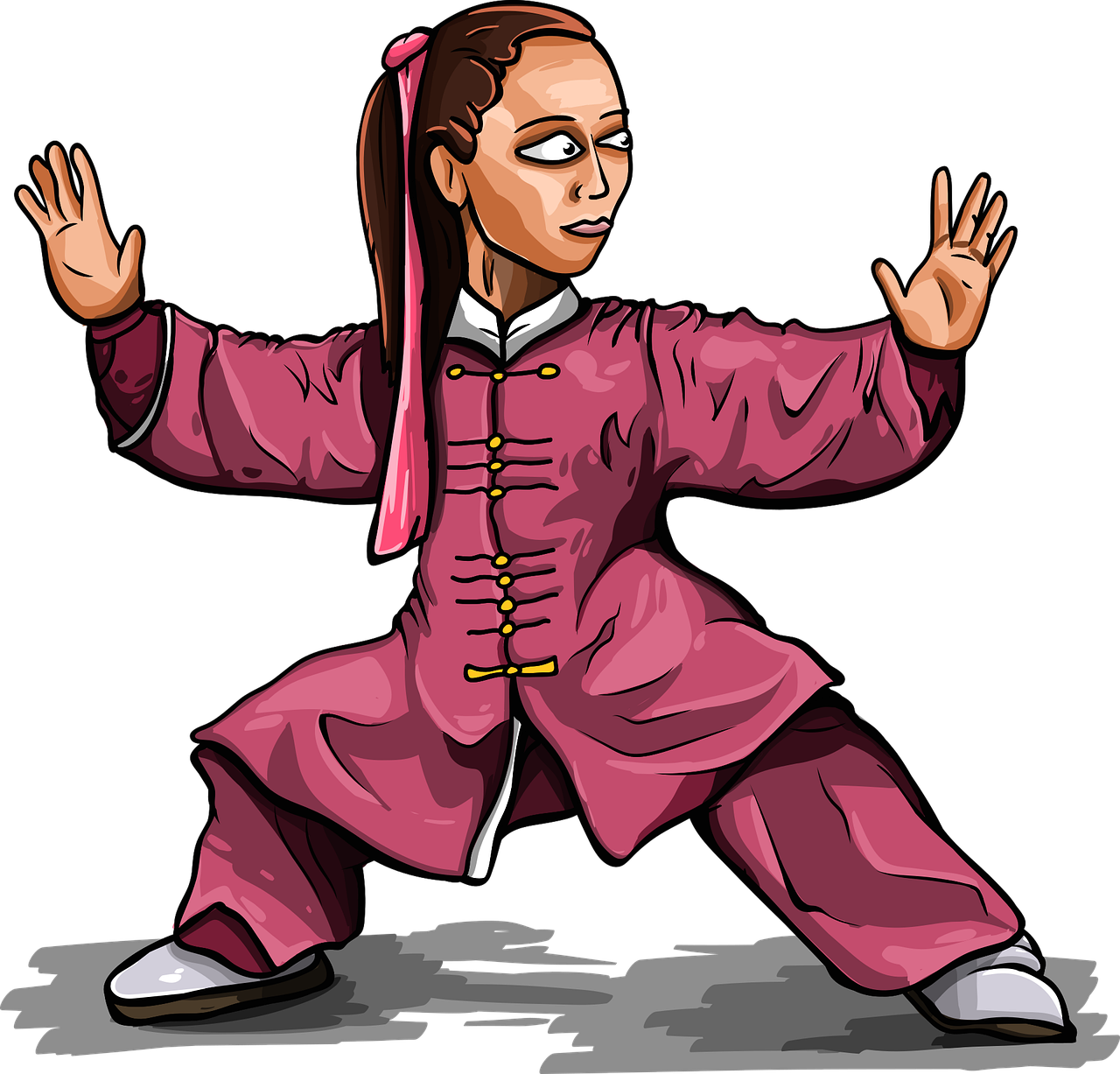

Optimizing Coordination and Agility with Tai Chi Training
Tai Chi, a traditional Chinese martial art, promotes balance and coordination through slow, deliberate movements. As a practice, it encourages mindfulness and awareness of the body, leading to improved motor control and agility. Participants experience noticeable benefits in their physical coordination, balance, and overall well-being. The exercise has gained recognition for its dual focus on physicality and mental discipline, making it ideal for people of all ages. In Tai Chi, each movement flows into the next, creating a meditative experience that reinforces core stability. Enhanced coordination develops as individuals become more attuned to their body mechanics. By engaging different muscle groups in a synchronized manner, practitioners cultivate better control over their movements. The balance improvements manifest in daily activities, benefiting those with mobility difficulties. Regular practice not only strengthens muscles but also fosters flexibility. Moreover, Tai Chi’s emphasis on breathing enhances oxygen flow, which contributes to improved cognitive functions. Hence, Tai Chi serves as a powerful tool for improving quality of life, promising long-lasting advantages. Ultimately, the practice transforms understanding of one’s body while enhancing physical capabilities and stability, leading to increased confidence and freedom of movement.
Unlike many high-impact sports, Tai Chi minimizes the risk of injury while fostering strength and stability. With its gentle, flowing movements, it is an ideal exercise method for older adults and those recovering from injury. Tai Chi encourages relaxation and reduces tension, promoting a sense of calm and focus during practice. This inner peace enables participants to move with greater precision and control. As individuals practice regularly, they can observe significant improvements in their ability to maintain balance during various activities. The mindful nature of the practice is particularly helpful for those with chronic conditions, as it allows practitioners to engage at their own pace. Watching the body’s alignment and movement mechanics can enhance coordination. Balancing exercises derived from Tai Chi can be particularly advantageous for athletes looking to boost performance or anyone seeking to prevent falls. The slow pace helps individuals develop proprioception—awareness of body position—which directly correlates with better coordination. This heightened awareness can lead to improved athletic performance, as individuals become more adept at adjusting their movements in response to varying demands. Relying on foundational skills from Tai Chi, individuals learn essential strategies for effective movement in different environments.
The foundational principles of Tai Chi incorporate relaxation, postural alignment, and finding one’s center of gravity. By prioritizing a relaxed state, practitioners reduce unnecessary tensions in the body, which can inhibit fluid movements. Achieving proper alignment and understanding weight distribution fosters better balance. Participants learn to shift their weight gradually, developing strength in the legs and core. As individuals become accustomed to these movements, they build confidence in their body’s abilities. The slow, rhythmic movements of Tai Chi help enhance muscular endurance and flexibility significantly over time. Tai Chi practitioners often experience improved muscle tone due to continuous engagement during practice. This strength-building capacity translates into enhanced balance in everyday activities. Additionally, the continual practice of Tai Chi promotes good posture, which can alleviate strain in daily routines. Good posture is essential for executing complex sequences and maintaining stability. As participants remain mindful of their body positioning, they develop greater spatial awareness. This awareness empowers individuals to make conscious adjustments according to their surroundings or physical context. Consequently, such adaptations can significantly impact the overall agility and stability of the practitioner, ultimately enhancing quality of life and everyday performance.
The Role of Breath in Tai Chi
Breath control plays a crucial role in Tai Chi practice, influencing both coordination and mental clarity. Participants learn to synchronize their movements with their breath, establishing a harmonious rhythm that promotes relaxation and focus. By naturally coordinating breath and movement, individuals become more aware of their internal state, optimizing performance. Controlled breathing improves lung capacity and physical endurance while serving to ground the practitioner during complex sequences. Mastering breath techniques enhances overall stamina necessary to execute intricate movements seamlessly. This commitment to breath also plays a key role in grounding one’s energy, allowing practitioners to connect physically and mentally. As a result, individuals develop a sense of stability that fosters confidence through increased physical and emotional awareness. By concentrating on breathing deeply and rhythmically, participants can also alleviate stress and anxiety. This reaction further enhances the overall experience, creating a balanced state between body and mind. The positive relation between breath control and coordination cultivates harmony not only in performance but also enhances daily life. Therefore, breath remains a vital dynamic in Tai Chi. It not only serves as a means to enhance overall practice but also facilitates personal growth and well-being.
Practicing Tai Chi in a group setting can create a supportive environment that enhances motivation and enjoyment. Group classes encourage social connections, leading to a sense of belonging which reinforces commitment to practice. Pairing the benefits of group dynamics with the individual focus of Tai Chi can result in improved coordination and agility. Participants often find that working alongside others creates a shared sense of achievement and helps track progress over time. Furthermore, instructors can offer personalized adjustments and feedback tailored to individual needs, enriching the practice experience. Group classes also create opportunities for camaraderie and support, enriching the entire learning process. The exchange of experiences and tips can allow practitioners to explore diverse interpretations and approaches to movements. This dynamic atmosphere fosters community and collective growth in balance and coordination. Through shared challenges, participants build resilience and confidence while promoting healthy competition. This synergy between individuals can lead to improved performance outcomes and a deeper understanding of Tai Chi principles. Therefore, group participation elevates Tai Chi practice, making it enjoyable, social, and interactive while enhancing the overall learning process.
Resistance training can further enhance the benefits achieved through Tai Chi. By incorporating strength training exercises, practitioners can develop muscle mass and strength in parallel with balance improvement. Enhancing strength often creates a solid foundation vital for executing Tai Chi movements with greater precision. Additionally, various resistance techniques, such as bands or weights, can supplement Tai Chi practice, developing overall muscle endurance. This combination solidifies core stability and enhances flexibility, crucial for maintaining balance. Tai Chi can be integrated into a broader fitness routine that emphasizes holistic health principles. Participants can choose to alternate Tai Chi days with resistance training to achieve maximum gains. Engaging various muscle groups leads to a comprehensive approach to fitness, with synergy between Tai Chi and strength training crucial for enhancing agility. The continuous flow of Tai Chi coupled with resistance training can offer superior balance improvement, elevating performance. This collaborative approach yields effective results when practitioners remain committed to maintaining consistency in both practices. The dual practice ensures that individuals effectively harness balance skills while progressing physically and mentally in the process.
Conclusion: Embracing Tai Chi for Balance
Incorporating Tai Chi into a fitness regimen can significantly transform balance and coordination, leading to improved overall health. Not only does it cultivate physical capabilities, but it also enhances emotional and cognitive well-being, bridging the gap between body and mind. This harmonious balance fosters a profound sense of calm and focus in practitioners, enriching their daily lives. As individuals engage in Tai Chi, they develop enhanced awareness of their body’s mechanics. The resulting coordination gained through practice directly translates into increased confidence in navigating various physical environments. The meditative nature of the practice encourages participants to reflect on their progress, creating a meaningful personal journey. Over time, the cumulative benefits of Tai Chi practice contribute to improved mobility and stability. Investing time in this ancient practice can yield invaluable long-term health advantages. For individuals seeking balance improvements, Tai Chi offers accessible and enjoyable pathways, regardless of physical ability. Its adaptability makes it suitable for various demographics, inviting everyone to experience its transformative power. In conclusion, Tai Chi emerges as an exceptional tool for optimizing coordination, balance, and agility while enriching overall quality of life.
Implementing Tai Chi into one’s lifestyle encourages a commitment that can provide lifelong benefits. The gentle, consistent practice will significantly impact physical well-being, mental clarity, and emotional stability. Tai Chi promotes relaxation, social interaction, and mindful awareness of one’s surroundings, setting individuals on the path toward a healthier lifestyle. As participants progress in their practice, they will find opportunities to explore new dimensions of balance and coordination. Ultimately, Tai Chi serves as a powerful modality for enhancing everyone’s quality of life through continued practice. Taking the initial steps toward engaging with the practice can lead individuals toward discovering the fullness of its benefits and advantages throughout their journey.