
Cardio Workouts That Help Reduce Stress Levels
Managing stress effectively is crucial for maintaining mental health. Regular physical activity, especially cardio workouts, plays a significant role in relieving stress. Cardio exercises increase the production of endorphins, often referred to as ‘feel-good’ hormones. These naturally occurring chemicals in the brain help enhance mood and emotional well-being. Incorporating cardio workouts into a daily routine can lead to increased resilience, allowing individuals to handle stress more effectively. Furthermore, cardio workouts encourage better sleep patterns and enhance self-esteem. Ultimately, these physical benefits echo into mental prowess, leading to a more balanced and calm mind. Here are some cardio exercises highly recommended for stress relief. Running, swimming, cycling, or even brisk walking are effective options that target both physical fitness and mental health. Additionally, incorporating mindfulness into these activities can further reduce anxiety. For example, listening to calming music or practicing deep breathing while working out can amplify positivity and tranquility. If you’re looking to reduce stress through exercise, these activities can be both enjoyable and beneficial to your overall well-being.
Benefits of Cardio Workouts
By focusing on cardio workouts, you not only strengthen your heart and lungs but also create a ripple effect on your mental health. Regular cardio workouts can lead to improved concentration, reduced fatigue, and a more enriched sense of achievement. As you engage in physical activity, blood flow increases throughout the body and the brain, leading to sharper awareness and cognitive function. This stimulation helps in keeping distractions at bay, promoting a calm and clear mindset essential for stress management. Furthermore, the rhythmic nature of cardio exercises can be meditative. Activities like running or cycling allow individuals to focus on their breathing patterns and body movements, enabling them to enter a state of mindfulness. Stress often fluctuates due to various external factors; however, cardio provides an outlet to release that tension. Opportunities for social interaction arise during group activities, which also aid in reducing feelings of isolation. Joining a local running club, for instance, can provide social support and camaraderie, launching your stress relief journey into an enjoyable endeavor. Remember, establishing a consistent routine is pivotal for maximum effectiveness.
To get started with cardio workouts effectively, it’s vital to decide which activities resonate with you the most. Personal preference significantly impacts motivation and continuity. For example, if you enjoy nature, trail running might be the perfect fit. On the other hand, if you relish being indoors, cycling on a stationary bike could be ideal. Engaging in activities that inspire you is key to adhering to your fitness routine. Furthermore, setting realistic goals will undoubtedly aid in maintaining your commitment. One should aim for an initial target, such as working out three times a week, progressively increasing the frequency and intensity over time. Tracking your progress not only boosts motivation but also allows you to reflect on your journey. Apps and fitness trackers can serve as excellent tools for this purpose, offering insights into your cardiovascular progress. Do not shy away from celebrating milestones, regardless of how small they might seem. Achievements enhance self-esteem and provide motivation to continue pushing forward. Additionally, consulting a fitness professional or researching online can provide further guidance and support.
Choosing the Right Cardio Exercise
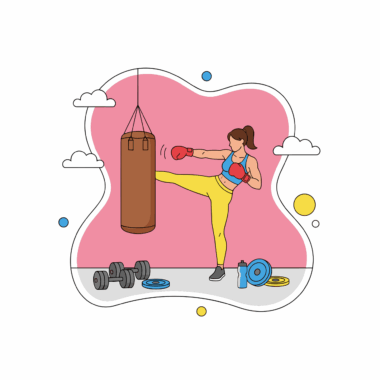
When choosing the right cardio exercise, consider the intensity levels. Moderate-intensity workouts, such as jogging or swimming, may be more sustainable for beginners, while high-intensity interval training (HIIT) can provide an efficient yet challenging option for seasoned enthusiasts. HIIT workouts, comprised of short bursts of intense activity followed by rest intervals, are proven effective for burning calories and improving cardiovascular health. Moreover, they can be completed without extensive time commitments, making them versatile for busy lifestyles. Incorporating variety within your cardio routine is beneficial for overall mental engagement. Different workouts can prevent boredom and reduce the tendency to skip workouts. Additionally, exploring options such as dance classes, kickboxing sessions, or even team sports can introduce enjoyable elements into your routine. Remember that no particular workout is superior; what matters most is finding an exercise you look forward to participating in. Joining group classes allows you to be part of a community and foster relationships that further enhance your stress relief strategy. Overall, the emphasis should be on maintaining physical activity while being kind to yourself throughout the process.
Warm-up and cool-down routines are essential components of any cardio workout, especially when aiming for mental and physical well-being. A proper warm-up prepares the body for exercise, reducing the risk of injury and enhancing exercise performance. Similarly, cooling down after a vigorous workout allows your body to transition back to its regular state gently. Skipping these crucial steps can lead to physical strain, which may create additional stress in your life. Incorporating stretching and mobility exercises during warm-up and cool-down periods can promote relaxation and flexibility, contributing positively to mental health. Take advantage of these moments to connect with your body, reflecting on the effort put into the workout. Couple your physical training with hydration and proper nutrition to support overall wellness. Consuming nutritious meals that fuel your activity levels can make a significant difference. Foods rich in antioxidants, such as fruits and vegetables, will significantly enhance your recovery process. Pairing regular cardio with a balanced diet can lead to greater levels of satisfaction and positivity. Pair this holistic approach with mindfulness techniques, placing yourself in a better position to tackle daily stressors effectively.
Incorporating Mindfulness with Cardio
The synergy between cardio workouts and mindfulness techniques can significantly bolster the effectiveness of stress management efforts. Mindfulness encourages present-moment awareness and helps mitigate stress through a focus on breathing, sensations, and thoughts during exercise. For example, running outside can provide an opportunity to be aware of your surroundings, recognizing the sounds of nature and the rhythm of your breath. Such experiences promote a sense of calm, often making stressful thoughts feel distant and manageable. To incorporate mindfulness into your cardio routine, start by setting aside distractions such as music or social media notifications. Instead, embrace silence or opt for calm ambient sounds. Engaging your senses can amplify the stress-relieving effects. Notice how your body feels during workouts, focusing on the rhythm of your breath and physical sensations. Additionally, end your workout with a few minutes of meditation or reflection. This promotes a deeper sense of relaxation and mental clarity. Acknowledging your feelings and emotions post-workout through journaling can further enhance this process, giving rise to self-awareness and emotional regulation skills. Combining these two approaches creates a powerhouse strategy for improved mental health.
Consistency is crucial in achieving long-term stress relief through cardio workouts. Establishing a workout schedule that fits your lifestyle can ensure you get the benefits of consistent physical activity. Whether that means incorporating early morning runs or joining evening classes, making exercise a regular part of your day is essential. Moreover, remain adaptable to your needs. On days when exhaustion strikes, opting for gentle activities like yoga or stretching can offer restorative benefits without overwhelming you. It’s also essential to respect your body’s signals; if you’re feeling fatigued, consider taking a break. Listening to your body is vital in sustaining your exercise habits and avoiding burnout. As you continue to progress in your cardio routine, consider setting challenges for yourself, such as participating in charity runs or completing personal challenges. These goals can serve as motivation and insights into your physical capabilities. Engaging with friends or family can further enhance your commitment, turning workouts into social events. As you observe the positive impacts of consistent cardio, the cycle of improved mental health and enhanced physical fitness will encourage you to stick with it, bringing you long-lasting benefits towards stress reduction.
Achieving effective stress management with cardio workouts means celebrating the journey, recognizing that every step towards better mental health is a success. In conclusion, cardio exercise is a powerful tool for those seeking to alleviate stress and promote emotional well-being. Whether it’s through running, swimming, or dancing, the benefits of moving your body extend beyond physical fitness. Strategies for incorporating mindfulness, adaptability, and consistency are instrumental in maintaining a positive routine. Create physical challenges, build supportive communities, and track your progress, and keep experimenting with different activities that make you feel empowered. Before long, you will discover the healing potential of cardio on both your mind and body. Embrace the process of exploration, acknowledging the discovery of your preferences and the fun of finding workouts you enjoy. Stress is an inevitable part of life, but with the right strategies in place, including regular cardio, you can transform your relationship with it positively. Share these insights with others, encouraging them to join in on the journey toward healthier stress management through the magic of movement. By doing so, you foster a supportive network that thrives in our mutual pursuit of well-being.