
The History and Evolution of Backpacking as a Sport
Backpacking, as an outdoor adventure sport, has a rich history that dates back thousands of years. Ancient civilizations relied on outdoor excursions for survival, using makeshift packs to carry their essentials. Early nomadic tribes traversed vast terrains, often leading to trade and exploration routes that we still partially follow today. The concept of using a backpack, or packhorse, can be traced to these initial explorations. These early forms of backpacking emphasized mobility and the need to carry tools, water, and food. It wasn’t until the late 19th century that backpacking began to flourish as a recreational activity in Europe and North America. With improved materials and a growing interest in nature, backpacking has progressively evolved into a sport, attracting adventure lovers and outdoor enthusiasts alike. The establishment of national parks and wilderness areas further popularized this outdoor pursuit. Today’s backpacking culture is deeply rooted in the principles of conservation and outdoor ethics. Modern equipment contrasts significantly, featuring lightweight, durable materials, enhancing safety, and comfort for adventurers seeking trails untouched by civilization.
The growth of the backpacking community became evident in the early mid-20th century when several organizations emerged dedicated to promoting this outdoor activity. The Appalachian Trail and Pacific Crest Trail became symbols of long-distance backpacking endeavors. These routes offer a comprehensive glimpse into diverse ecosystems dominated by mountains, forests, and stunning landscapes. Initially, backpacking attracted small groups of dedicated outdoor enthusiasts, but today it encompasses millions of adventurers worldwide. The rise of social media has allowed backpackers to share experiences, photos, and tips, broadening the community substantially. Online platforms host countless blogs, articles, and videos showcasing the beauty and challenges of backpacking. These shared experiences foster connections among like-minded individuals interested in exploring nature’s wonders. The sense of community is vital, with newcomers often seeking advice from more seasoned backpackers. Furthermore, outdoor retailers have adapted to this increasing interest by developing equipment tailored for various skill levels. Innovations have driven down costs while improving quality, allowing accessible entry points for anyone interested in exploring hiking trails and backcountry adventures. Overall, these changes mark backpacking’s fascinating evolution into a mainstream sporting activity.
Essential Equipment for Backpacking
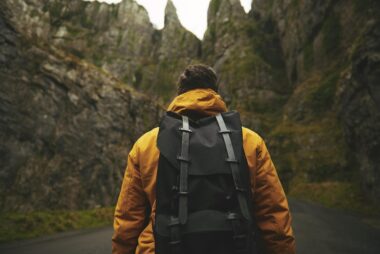
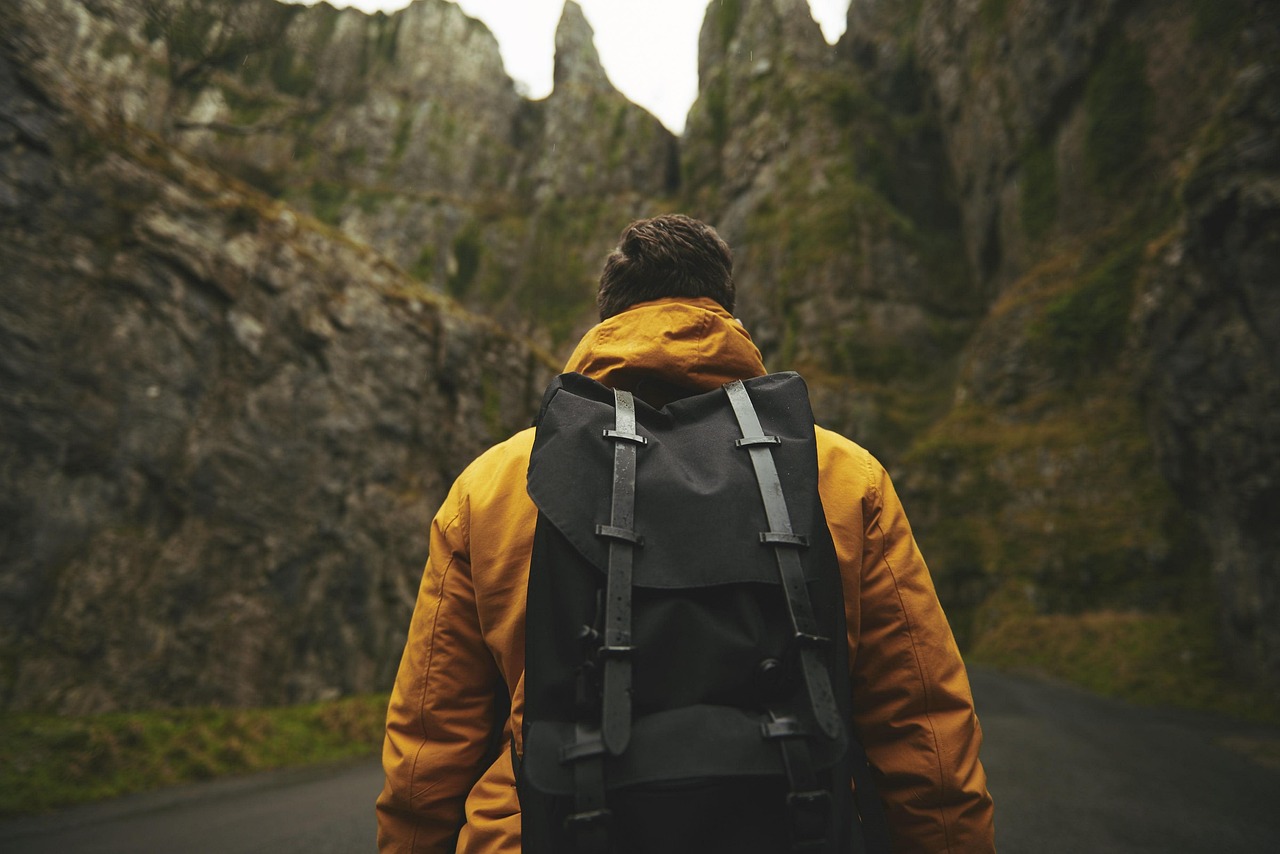
To embark on a successful backpacking adventure, it’s crucial to have the right gear. The essential equipment directly impacts safety and comfort. First and foremost is a high-quality backpack, which should be both lightweight and capable of carrying your items. Look for backpacks with adjustable straps and multiple compartments; these features enhance organization and accessibility. Other indispensable items include a suitable sleeping bag, a camping stove, and sufficient cooking gear. Hydration is vital, so carry a reliable water filtration system or purification tablets. Additionally, layered clothing with moisture-wicking and insulating properties is recommended to adapt to changing weather conditions easily. A multi-tool and a first aid kit should also be part of your pack, ensuring preparedness for emergencies. Importance is given to trail navigation; therefore, a compass and map or GPS device are crucial. Food supplies should include lightweight, nutrient-dense options, ensuring you have adequate fuel for your journey. Don’t forget to include eco-friendly trash bags for outdoor waste management, promoting a sustainable approach to backpacking respect for nature and its preservation.
As backpacking has evolved, so have the challenges faced by those who take up the sport. Trail conditions can be unpredictable, presenting obstacles like weather changes and terrain variations. Awareness of your physical limitations and maintaining a suitable pace minimizes risks and enhances the overall experience. Additionally, a focus on environmental impact remains crucial. Backpackers today prioritize Leave No Trace principles to preserve the natural surroundings. This involves planning trips mindful of the local ecosystem, choosing established trails, and minimizing any disruption to wildlife. Educating oneself about the flora and fauna in the region leads to a more enriched experience. Additionally, participating in conservation efforts allows backpackers to give back to the areas they love exploring. Engagement in local clean-up events fosters a sense of community, encourages responsible practices, and promotes stewardship for future generations. As the popularity of backpacking continues to rise, it’s essential to approach the sport with both respect and a sense of responsibility. With the right safety precautions, knowledge, and gear, backpackers can enjoy the beauty of our planet while safeguarding it from degradation.
Backpacking Destinations Around the World
Backpacking offers the unique opportunity to explore diverse landscapes around the world. From the majestic peaks of the Himalayas to the stunning scenery of the Alps, each destination provides its unique charm and adventure. The Appalachian Trail in the United States is a popular choice, spanning over 2,190 miles and showcasing varied environments. Alternatively, the Inca Trail in Peru presents a culturally rich experience leading to the ancient ruins of Machu Picchu. In Australia, the Larapinta Trail offers breathtaking views of the Red Centre, featuring stunning sunsets over the Outback. National parks across several countries provide numerous trails catering to different skill levels and preferences. In addition, many regions now promote responsible tourism, encouraging backpackers to learn about local heritage and practices. Visiting enchanting destinations allows adventurers to immerse themselves into a new culture while appreciating nature’s beauty. Tailoring one’s trip according to difficulty, scenery, and cultural experiences provides memorable moments. Backpacking promotes not only physical activity but also a deeper understanding of the world, nurturing appreciation for various ecosystems and communities through firsthand experiences and interactions.
While backpacking offers exhilarating adventure and breathtaking views, fitness plays a crucial role in ensuring a successful outing. Adequate preparation is essential for both physical and mental endurance. Training regimes can be tailored to focus on cardiovascular fitness, strength, and balance. Activities such as hiking, running, and cycling enhance stamina, while yoga can improve flexibility and core strength. The gear used will also affect performance; understanding how to pack efficiently impacts balance and energy reserves. Additionally, mental preparation often includes understanding the challenges that lie ahead. Recognizing potential risks, such as difficult weather conditions and challenging terrains, cultivates a mindset focused on overcoming adversity. Joining local groups or guided trips can provide valuable experience for beginners, helping them build essential skills and confidence in the outdoors. The camaraderie found in group settings can boost motivation, making challenging journeys more enjoyable. Social support often leads to lifelong friendships, as shared memories foster connections. As one grows in physical capability, confidence in navigating the outdoors develops, leading to a self-sufficient and enriched backpacking experience filled with adventure and discovery.
The Future of Backpacking
The future of backpacking promises exciting changes as technology and sustainability continue to evolve. Innovations in gear are expected, with lighter materials and multifunctional tools enhancing the experience. Smart hiking devices, offering navigation insights and safety alerts, could become standard equipment in the coming years. The backpacking community seems poised for growth, particularly with increased awareness around mental health and well-being associated with nature. Many people turn to outdoor adventures as a form of therapy, further popularizing backpacking. Initiatives promoting accessibility may increase participation among diverse populations, leading to a richer community landscape. Additionally, the environmental impact of outdoor activities is now widely recognized; efforts towards sustainable practices aim to protect nature for future generations. Partnerships between outdoor brands and conservation organizations are expected to strengthen, focusing on sustainable production and eco-friendly materials. Creating new trails to disperse the growing number of visitors will help minimize environmental damage. Backpacking’s future lies in balancing adventure with responsibility, ensuring the natural world remains accessible and cherished. The sport can thrive on the tenets of respect, love of nature, and camaraderie among backpackers around the globe.
As we examine backpacking’s journey, we find a deep connection between human beings and the natural world. Through centuries, this sport has transitioned from a necessity for survival into a passionate form of recreation that teachers resilience and appreciation of the outdoors. It’s now a source of community, fostering relationships between individuals who share a love for exploration. The act of navigating challenging terrains, enjoying breathtaking views, and learning new skills transforms individuals, encouraging personal growth and invigorating experiences. Backpacking raises awareness about environmental conservation and instills a sense of responsibility among participants, shaping future outdoor enthusiasts. The journey of backpacking transcends mere physical activity; it’s a holistic experience combining adventure, education, and personal reflection. As we embrace the upcoming generations of backpackers, it’s essential for the community to uphold its core values, maintaining balance between adventure and stewardship of the environment. Whether it’s a weekend getaway or a through-hike lasting months, each experience contributes to the larger narrative of backpacking. With curiosity and open-mindedness, one can uncover the world’s wonders, creating lasting memories and fostering lifelong connections with nature and one another.