
How to Read Trail Markings and Signs for Mountain Biking
Mountain biking trails are often marked with a range of signs and trail markings designed to help bikers navigate efficiently. Understanding these markings is crucial for safety and enjoyment. Each color and symbol conveys specific information about the trail’s difficulty level, ecological features, and specific route instructions. A green circle typically signifies an easy trail suited for beginners, while a blue square indicates a moderate trail. In contrast, a black diamond is reserved for expert routes featuring steeper inclines and challenging terrain. Familiarizing yourself with these symbols can make your biking experience safer and more enjoyable.
Trail signs not only inform you about the trail’s difficulty, but they can also warn of hazards and remind you to share the trail appropriately. For instance, a steep incline sign may alert you to approaching slopes where caution is necessary. Another sign could indicate pedestrian zones, reminding bikers to slow their pace and yield right of way to those on foot. When encountering unfamiliar trails, always take a moment to read the signs and familiarize yourself with what they indicate. This way, you can prepare accordingly and ensure an enjoyable ride.
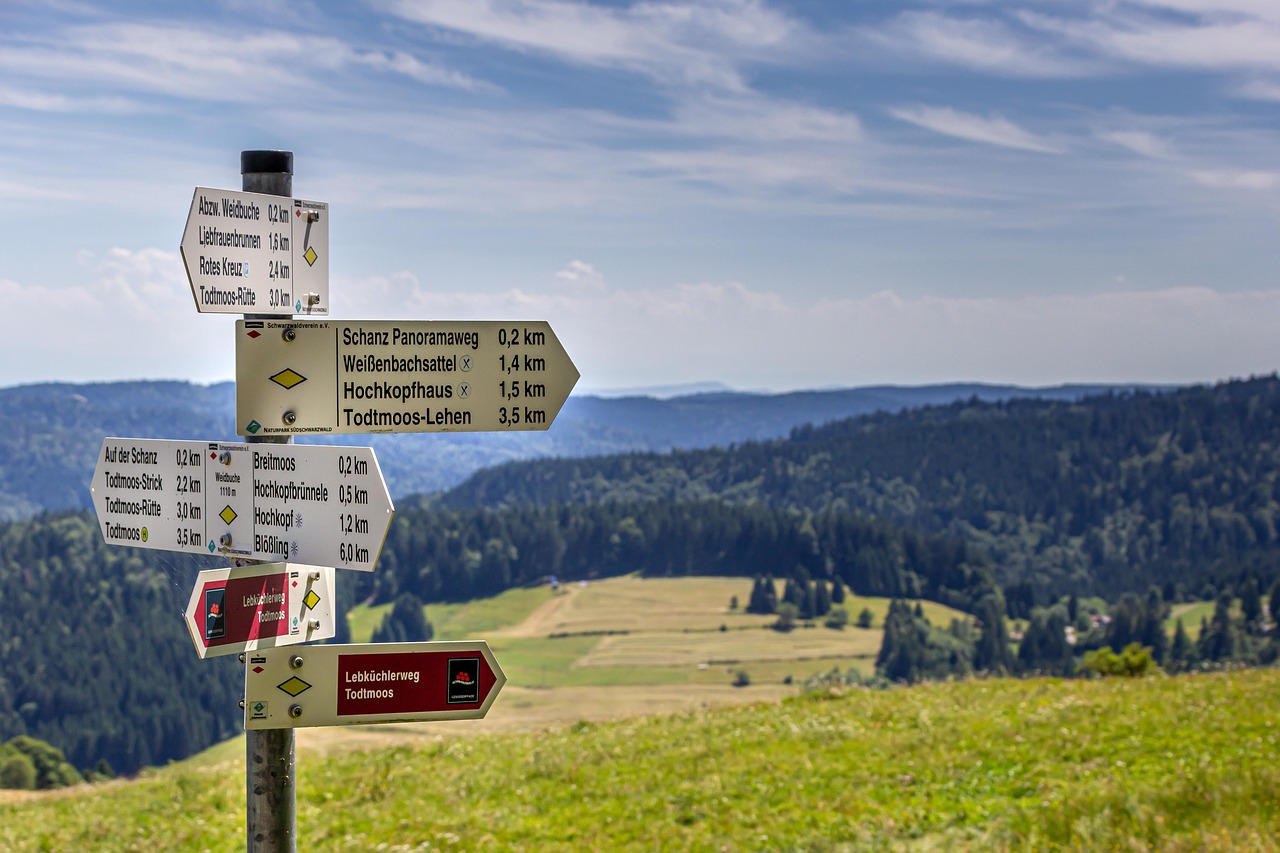
Additionally, lookout for directional signs that guide you along the specific route you should take. These signs often have arrows and will direct you towards intersections or areas where you should turn. Noting the colors and patterns of these signs can help you maintain a good sense of direction. Sometimes these signs may be intermittent or not immediately visible, so it’s vital to constantly scan the trail ahead, interpreting any indications provided to ensure that you remain on track. Staying alert will prevent unnecessary detours.
Understanding Trail Forks and Intersections
When riding, you may come across trail forks and intersections that can be quite confusing if you’re unaware of the trail’s layout. These junctions will often have posts with maps or trail labels that indicate the direction to different routes. Pay close attention to these posts as they provide essential information for deciding which path to take. Take some time to stop, read the signage, and examine the map as needed. Avoid rushing through these areas so that your choice remains informed.
Even if a sign is present, sometimes your instincts as a mountain biker automatically guide you along familiar paths that you’d remember from past rides. However, be cautious! Always rely on the markers to validate your decisions. This approach ensures you maximize fun without inadvertently veering off course. Plus, scouting ahead will let you see what’s coming up, allowing you to adjust your speed or to prepare for any twists and turns. So, keep your eyes peeled as you approach any junctions to navigate effectively.
Using Trail Maps Efficiently
Most trail systems provide maps that indicate all marked trails, points of interest, and even elevation changes which can significantly aid your riding strategy. When you first arrive at a trailhead, make it a habit to study these maps carefully. Familiarize yourself with the terrain and identify any particular features that may catch your attention later. If you see shaded or steep areas on the map, be prepared as these may present more challenging riding conditions that require skill and stamina.
Additionally, using a GPS-enabled device or a trail app may enhance your navigating experience. Many biking apps display real-time locations and can highlight established paths based on local data. This level of detail can prove invaluable, especially when exploring new areas where signage is limited. However, always be prepared for the unexpected and ensure you have a paper map just in case of technology failure while on the trail. Always prioritize safety while enjoying your biking experience, regardless of the tech you use.
Concluding Thoughts on Trail Safety
In summary, being able to read and interpret mountain biking trail markings and signs is pivotal for a successful adventure. From understanding the color-coded difficulty levels to navigating intersections and utilizing maps, each element enhances your mountain biking experience. Always stop at junctions, respect the signs, and be considerate of fellow users on the trails. With these tips in mind, you can enjoy a more rewarding mountain biking journey, perfectly attuned to the environment around you. Plan ahead, stay alert, and, most importantly, have fun while riding!