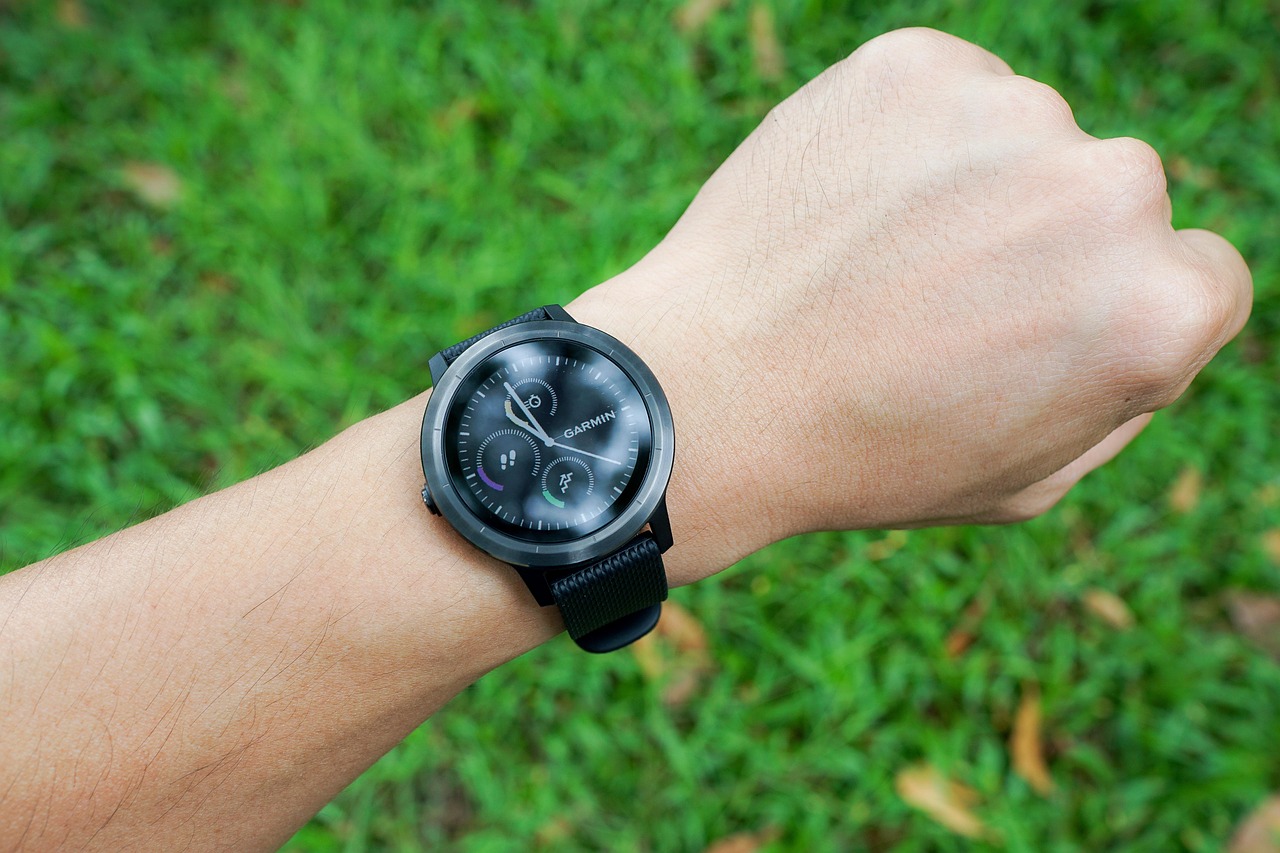

The Impact of Wearable Tech on Interval Training for Older Adults
Wearable technology has fundamentally transformed the approach older adults take towards fitness and health, especially in interval training. Interval training is a technique where individuals alternate between high-intensity and lower-intensity exercises, providing numerous health benefits such as improved cardiovascular endurance and metabolism. For older adults, balancing safety and effectiveness during workouts is crucial, and wearable tech offers precise solutions. Devices like smartwatches or fitness trackers can monitor heart rates, track activity levels, and provide feedback in real-time. As a result, older adults can safely push their limits, enhancing the effectiveness of their interval training without compromising their health. Furthermore, these devices often come equipped with reminders and personalized coaching features, encouraging regular exercise. This aspect is vital because consistent engagement in fitness activities is essential for maintaining health and well-being in later years. Additionally, the data collected through these wearables can be beneficial for healthcare providers in tailoring personalized fitness programs. This integration fosters a supportive environment where older adults can confidently embrace interval training, encouraging active lifestyles and improving overall quality of life.
Benefits of Interval Training for Older Adults
Interval training provides numerous advantages for older adults that can drastically improve fitness outcomes. One primary benefit is enhanced cardiovascular health. During interval sessions, individuals alternate high-intensity bursts with times of recovery, which elevates heart rates in a controlled manner. This method promotes heart health by challenging and strengthening the cardiovascular system without undue strain. Another significant benefit is increased muscle strength and endurance. Older adults often face muscle atrophy as they age, making resistance training crucial. Incorporating interval workouts offers a balanced approach where strength training can be seamlessly integrated into aerobic activities. Those engaging in similar exercise routines report improved flexibility and balance, reducing fall risks and injury likelihood. Mental health also experiences improvements, as regular physical activity releases endorphins and reduces stress. The psychological benefits of interval training can lead to enhanced mood and lowered anxiety levels. Ultimately, these advantages contribute to a more empowered and active lifestyle, giving older adults the tools they need to remain independent, functional, and fulfilled. With the aid of wearable tech, these workouts become more accessible, enabling older adults to enjoy their workout experiences fully and effectively.
Integration of Wearables in Fitness Routines
The integration of wearable technology into fitness routines has become increasingly essential for older adults looking to adopt interval training. This technology allows for personalized fitness plans that adapt to individual health needs. Wearables provide users with real-time data on workout metrics, enabling older adults to gauge their performance and adjust accordingly. Many wearables feature heart rate monitors that can help avoid overexertion, which is particularly important for older adults with preexisting health concerns. Additionally, wearable tech often includes GPS tracking capabilities, further assisting users in monitoring their outdoor activities, such as walking or jogging. This feature helps with goal-setting and accountability, critical components for staying motivated. Furthermore, these devices can synchronize with mobile applications, giving users access to training plans, nutrition guides, and community support. Social connectivity features also allow older adults to share achievements and challenges with a wider community, fostering a supportive atmosphere. The camaraderie found in workout groups, even virtually, encourages participation in interval training and helps combat feelings of isolation. In summary, wearables enhance fitness routines by ensuring that older adults maintain safe and effective exercise regimens tailored to their specific health conditions.
Despite the many advantages of incorporating wearable technology into interval training, there are challenges that older adults may encounter. A common concern is the learning curve associated with new technology, which may intimidate some individuals. Many wearables come equipped with numerous features, and older adults might feel overwhelmed when navigating interfaces or settings. Additionally, the reliability of technology depends on consistent charging and maintenance, which can become burdensome for some users. The need for ongoing support is crucial to help users overcome these challenges. Education around device functionality helps enhance user experience and engagement. Comprehensive guides should be available for older individuals to refer to when they encounter difficulties. Wearables also rely on accurate data entry from users, which can also prove problematic. If data is not logged correctly, the workouts may not reflect true performance and hinder progress. Another issue is that not all wearable tech is designed with older users in mind; hence, developers must focus on creating products that are user-friendly for all demographics. Addressing these challenges will pave the way for older adults to fully benefit from the advantages of wearable technology in their exercise regimens.
Personalization of Workouts Through Data
Wearable technology is revolutionizing the personalization of workouts in interval training for older adults. By tracking data such as heart rate, sleep patterns, and activity levels, these devices help create customized training programs tailored to individual needs and capabilities. With the insights gained from this data, older adults can adjust the intensity and frequency of their workouts. Real-time feedback from wearables keeps users informed about how their bodies are responding during training sessions, which is especially valuable during high-intensity exercises. Furthermore, trend analysis over time offers a clearer picture of progress, helping older adults set realistic and achievable fitness goals. This data-driven approach fosters motivation, as users can visually track improvements. Additionally, many wearables offer reminders and goal-setting features, encouraging consistency and accountability. Users receive alerts when they have been inactive for a while or need to increase workout intensity. This kind of ongoing engagement not only enhances performance but also empowers older adults to take control of their fitness journeys. Ultimately, the integration of advanced wearable technology leads to optimized workout experiences and significantly contributes to the overall health and well-being of older adults participating in interval training.
Safety Considerations in Interval Training
When older adults engage in interval training, safety considerations are paramount for a successful outcome. Wearable technology plays a vital role in ensuring participants can exercise effectively while adhering to necessary safety measures. One major safety feature offered by some devices is fall detection, which alerts emergency contacts in case of a monitoring failure or an unexpected fall. This ensures peace of mind for both users and their family members. Heart rate monitoring is another critical function that helps track exertion levels during workouts. Maintaining an optimal heart rate range is essential in avoiding serious health issues. Wearable tech also encourages regular check-ins with healthcare providers, enabling them to evaluate users’ fitness plans and make adjustments as necessary. In addition, incorporating warm-up and cool-down sessions into interval training routines is highly recommended; wearables can offer customizable prompts or reminders for these stretches. Hydration monitoring is another helpful feature; staying hydrated is essential for maintaining energy levels during exercise, particularly for older adults. Addressing these safety considerations fosters a nurturing and supportive workout environment, enhancing the effectiveness of interval training and ensuring that older adults can pursue active, healthier lifestyles.
In conclusion, wearable technology significantly enhances the experience and effectiveness of interval training for older adults. The ability to personalize workouts creates a unique and engaging approach tailored to individual fitness levels. Incorporating essential safety features into these devices fosters confidence, allowing older adults to push themselves in a controlled environment. The encouragement that wearable tech provides through real-time feedback and progress tracking promotes a sense of accomplishment, leading to increased motivation and adherence to exercise routines. Additionally, the social connectivity aspects associated with these devices foster community engagement, support, and accountability. The incorporation of interval training into the daily lives of older adults is crucial for maintaining health and independence. Ultimately, the fusion of fitness technology and interval exercise creates an empowering platform that encourages older adults to embrace active lifestyles. This shift not only benefits physical well-being but also nurtures mental health and social connections. As technology continues to advance, further enhancements in wearables are expected, making interval training even more accessible and enjoyable for older populations. Through this ongoing development, the future of fitness for older adults looks promising and bright.