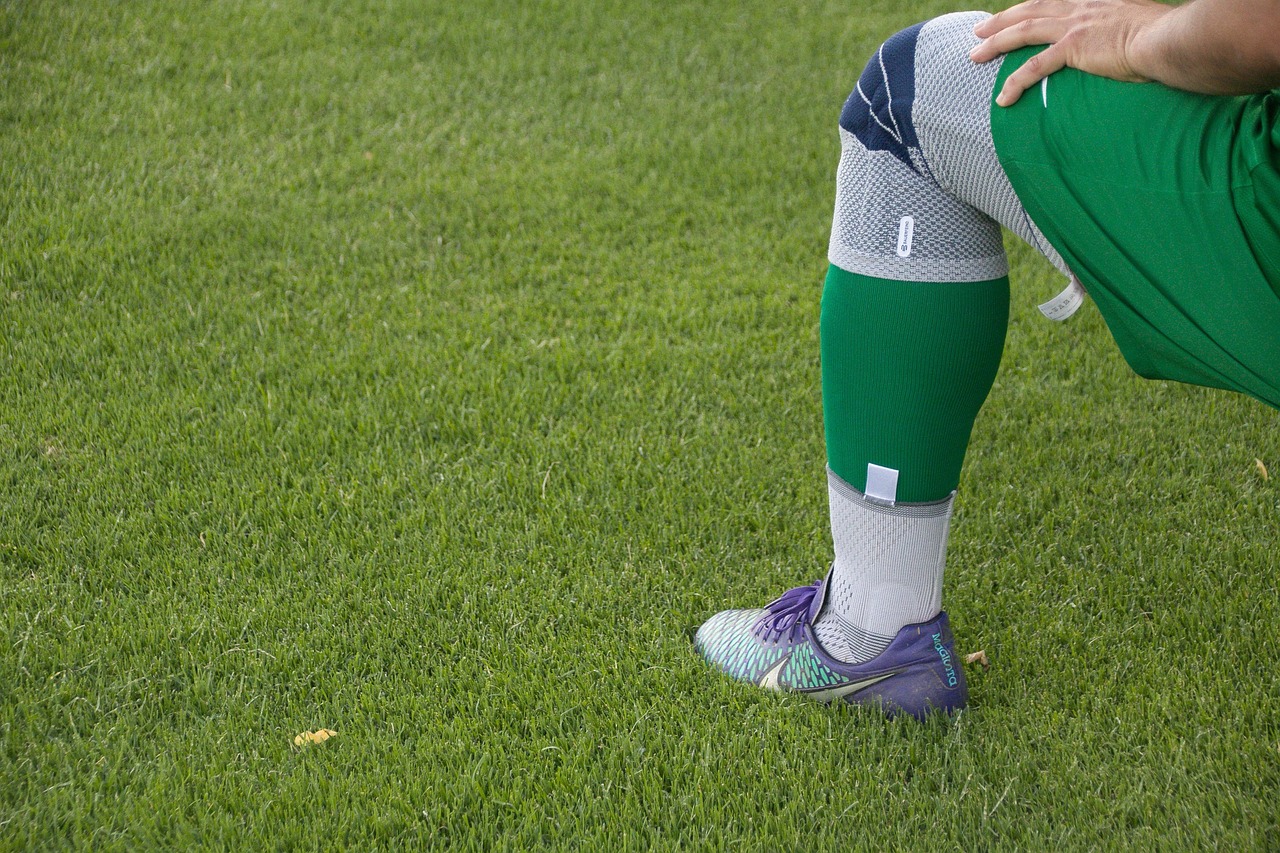

Flexibility Exercises for Knee Injury Prevention and Rehab
Knee injuries can significantly impact daily life and athletic performance, making rehabilitation and prevention crucial. Flexibility exercises play a vital role in reducing the risk of injuries, as they enhance joint mobility and improve overall function. By focusing on flexibility, individuals can also alleviate tension in muscles around the knee, thereby preventing strain. Incorporating stretching into your routine can help maintain the knee’s range of motion, which is essential for healthy joint function. Engage in a regular stretching regimen that focuses on the quadriceps, hamstrings, calves, and hip flexors. These key muscle groups support the knee joint and must be flexible and strong to prevent injury. Additionally, integrating dynamic stretches before physical activities can prepare the muscles for movement. Remember that consistency is vital; practicing flexibility exercises multiple times a week will yield the best results. It is also important to listen to your body and avoid pushing through pain. Instead, focus on gradual improvements and proper technique, which will help ensure an effective and safe flexibility regimen for knee injury prevention and rehabilitation.
Before delving into specific exercises, let’s explore the benefits of flexibility training for knee health. Increased flexibility can lead to improved athletic performance and greater overall movement efficiency. Strong and flexible muscles help stabilize the knee, thus reducing the risk of sprains and strains during physical activity. Furthermore, flexibility exercises can promote better circulation, enhancing recovery after injuries. A well-structured flexibility program assists in preparing the body for more intense exercise routines. Additionally, stretching can alleviate muscle soreness and tightness that often accompanies physical activity. Tailoring flexibility routines to individual needs allows for a customized approach, addressing specific limitations or recovery needs. Incorporating a variety of stretching techniques will ensure that all muscle groups are effectively targeted. Remember to include both static stretches, which involve holding a position, and dynamic stretches that involve movement. A combination of both styles is ideal for comprehensive flexibility training. Make sure to perform stretches gently without bouncing, holding each static stretch for around 15-30 seconds for optimal results. Gradually increase the duration over time as flexibility improves, creating a sustainable routine that enhances knee health.
Essential Flexibility Exercises for Rehabilitation
Several flexibility exercises cater specifically to knee rehabilitation and injury prevention. One effective exercise is the quadriceps stretch, performed by standing on one leg and pulling the opposite foot towards your glutes. This stretch targets the quadriceps muscle, enhancing flexibility in this region. Alternatively, the hamstring stretch requires you to sit on the floor with one leg extended. Lean forward, reaching towards your toes to enhance flexibility in the hamstrings. Next, the calf stretch can be performed against a wall, providing a gentle stretch to the calf muscles by leaning forward with one leg behind. Additionally, the butterfly stretch opens up the hips and increases inner thigh flexibility. To perform this stretch, sit on the ground with the soles of your feet together and gently press your knees downwards. Lastly, lunges with a twist combine flexibility training with functional movement. Step forward into a lunge position, then twist the torso towards the front leg. These stretches, when practiced consistently, can contribute significantly to knee injury prevention and support rehabilitation.
Ensuring proper technique while performing flexibility exercises is paramount. Incorrect form can lead to further injuries rather than rehabilitation or prevention. Start each exercise slowly to assess your current level of flexibility, avoiding any sharp or sudden movements. It is essential to maintain a neutral spine and engage the core during stretches to provide stability. In addition, be mindful of your breathing throughout your routine. Controlled breathing aids in achieving optimal relaxation and can enhance the effectiveness of your stretches. Individuals new to flexibility exercises should consider the guidance of a physical therapist or personal trainer to ensure proper techniques are being utilized. They can provide demonstrations, corrections, and tailored advice specific to your needs. Another helpful tip is to include warm-up activities before stretching to prepare the muscles. Light aerobic activity, such as brisk walking or cycling, will increase blood flow and make muscles more pliable. Finally, don’t forget to track your progress as you commit to regular flexibility training. Noticing improvements can be a motivational factor as you develop a sustainable exercise routine focused on knee health.
Dynamic Stretching for Knee Injury Prevention
Dynamic stretching is particularly beneficial for warm-ups, preparing the knees for physical activities. Unlike static stretching, which focuses on holding a position, dynamic stretching involves moving parts of your body through a full range of motion. This type of stretch is ideal for engaging the muscles, increasing blood flow, and enhancing mobility prior to any athletic venture. Some effective dynamic stretches include leg swings, walking lunges, and hip circles. To perform leg swings, hold onto a wall for balance while swinging one leg forward and backward, promoting hip and knee flexibility. Walking lunges can activate the lower body and synchronize flexibility with functional movement by stepping into a lunge while alternating legs. Hip circles involve standing on one leg while rotating the other leg outward in circular motions, focusing on hip mobility that subsequently contributes to knee health. Performing these dynamic stretches for approximately five to ten minutes before workouts will help to better prepare the knees for stress. Furthermore, incorporating these into your regular workout routine can establish a habit that prioritizes knee injury prevention.
In addition to flexibility exercises, combining strength training with stretching can offer comprehensive benefits for knee health. Strengthening muscles particularly around the knee joint, such as the quadriceps and hamstrings, provides stability and support. As muscles become stronger, they can better absorb shocks during physical activities. It’s equally important to emphasize balance exercises, as they can further reduce the risk of injuries. Incorporating single-leg stands and balance boards into your routine can enhance proprioception, which is the awareness of body positioning in space. This awareness is crucial for injury prevention, particularly in dynamic environments. To create a balanced workout program, ensure you dedicate time to both flexibility and strength training. While flexibility improves range of motion, strength provides the power needed to support your knees during movements. When planning your workouts, consider alternating days of flexibility and strength to allow for optimal recovery for the muscles. Moreover, gradually increase intensity in both strength and flexibility exercises as your capabilities improve. Ultimately, a well-rounded approach focusing on both aspects will ensure the best outcomes for knee injury management and overall physical health.
The Importance of Consistency in Flexibility Training
Consistency is key when aiming to enhance flexibility and prevent knee injuries. Establishing a regular regimen helps improve joint mobility over time. Stretching several times a week rather than sporadically leads to more significant results in flexibility. Aim for at least three to five sessions each week, focusing on different muscle groups involved in knee support. It’s also beneficial to incorporate flexibility exercises into post-workout routines, enhancing recovery and cooldown processes. After high-impact activities, muscles are often taut, making stretching essential for recovery to avoid stiffness. Furthermore, consider documenting your flexibility routine and any changes in your physical abilities. Tracking progress not only motivates but allows you to adjust your program based on your evolving capabilities. Experimenting with various stretches can help keep the routine fresh and enjoyable. Always remember that improvement takes time; patience is essential when working towards flexibility goals. If specific stretches seem ineffective, be open to modifications. Additionally, consider participating in group classes or online tutorials to maintain motivation and explore innovative techniques. Ultimately, a consistent dedication to flexibility training will significantly enhance knee joint health and injury prevention.
In conclusion, flexibility exercises play an integral role in knee injury prevention and rehabilitation. Attention to flexibility should not be overlooked, as it plays a crucial role in maintaining joint movement and overall function. Set realistic goals for flexibility training, based on individual fitness levels and prior injuries. When established as a habit, flexibility exercises can greatly contribute to better athletic performance and quality of life. There are many effective stretching techniques and routines available to cater to various needs. Always consult with a healthcare professional before beginning any new exercise program, especially following an injury. Tailoring a flexibility regimen to your needs will enhance not only knee function but also encourage long-term adherence to health practices. By practicing stretches that target major muscle groups around the knee while ensuring proper technique, individuals can optimize results. Focus on dynamic stretching for warm-ups and balance this with static stretching for cooldown routines. Remember to listen to your body, avoid overstretching, and gradually progress your flexibility goals. Building strength alongside flexibility benefits recovery and overall health. Make flexibility a priority in your wellness journey, fostering a healthier, more active lifestyle.