
Role of Hydration in Heat Stress and Heat-Related Illnesses
Hydration is a critical factor in maintaining health, particularly in preventing heat stress and heat-related illnesses. When the body loses fluids through sweat, it can lead to dehydration, increasing the risk of conditions such as heat exhaustion and heatstroke. Understanding how hydration impacts physical performance becomes essential, especially during hotter months. Hydration strategies should include not only water intake but also electrolytes. Electrolytes like sodium, potassium, and magnesium help retain fluids and maintain balance in the body. It is crucial to consume beverages that can effectively replenish both water and electrolytes lost during physical activity or heat exposure. In addition, individual hydration needs may vary based on factors like temperature, humidity, age, and body composition. Thus, monitoring performance and well-being during strenuous activities in hot environments becomes vital. Incorporating periodic hydration breaks during physical exertion is advisable. Providing accessible water stations can significantly contribute to overall hydration. Ultimately, a proactive approach by staying ahead of thirst can mitigate the risks associated with heat stress and related illnesses, ensuring better health outcomes.
Understanding Fluid Loss
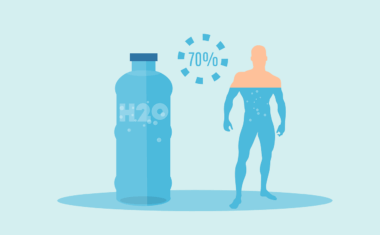
The human body is composed of approximately 60% water, emphasizing the importance of adequate hydration. During hot weather or intense exercise, fluid loss accelerates, primarily through sweat. Each liter of sweat lost translates into significant electrolyte loss. This fluid loss can impact not just performance but also overall health. Symptoms of dehydration include dizziness, fatigue and confusion, all of which can reflect underlying health issues. Athletes and those who engage in outdoor activities must be diligent in monitoring their hydration status. Simple methods for assessing hydration include evaluating urine color or tracking fluid intake throughout the day. A good strategy is drinking at regular intervals instead of waiting until feeling thirsty. Furthermore, certain medications and medical conditions can increase susceptibility to dehydration. Therefore, individuals with such factors should be particularly cautious during warmer climates or high physical exertion. Hydration packs and portable water bottles are conveniently designed for this purpose. Remember that combining different fluid sources can support hydration goals more effectively. Additionally, consuming high-water-content fruits and vegetables contributes positively towards your fluid intake.
Timing is critical in implementing effective hydration strategies. Drinking fluids before, during and after physical activity can enhance performance significantly. Prehydration enables your body to start exercising with optimal fluid levels. During activities lasting over an hour, replenishing fluids regularly can prevent fatigue and reduce the risk of heat-related complications. Post-exercise hydration aids in recovery by replenishing any lost fluids. An effective way to determine fluid needs is by weighing yourself before and after exercise. The difference reflects fluid lost through sweat, guiding how much replacement is needed. Moreover, the consumption of sports drinks during intense exercise can be advantageous for energy and hydration. These drinks contain sugars and electrolytes to replace what is lost. However, one should be cautious about excessive sugar intake too. Establishing personalized hydration plans helps cater to individual needs based on intensity and duration of activities. Copious water intake might dilute sodium and lead to electrolyte imbalances, thus emphasizing tailored strategies. Engaging professionals for hydration assessments may yield science-backed recommendations for fluid intake based on activity levels and environmental conditions.
Hydration Techniques
Implementing hydration strategies effectively can include various methods. A primary technique involves encouraging regular fluid intake not only during exercise but throughout the day. Individuals should consider utilizing reminders on mobile devices if they struggle to maintain hydration levels. Apart from plain water, incorporating flavored electrolyte beverages can increase the likelihood of consistent intake. Addressing personal preferences in flavor can promote better enthusiasm for drinking. Another technique involves time management in relation to hydration; scheduling breaks during physical exertion would significantly aid hydration efforts. This could be achieved through group efforts in team sports, where teammates motivate one another to stay hydrated. Additionally, training one’s body to adapt to higher temperatures can enhance overall tolerance to heat. Gradual acclimatization allows the body to adjust to new conditions. Temperature regulation is vital in performance while reducing risks of heat stress. Education on proper hydration may require the assistance of fitness professionals. Workshops can facilitate the dissemination of knowledge on effective hydration techniques specific to various activities and conditions. Experimenting with different hydration methods helps uncover what works best for each unique individual.
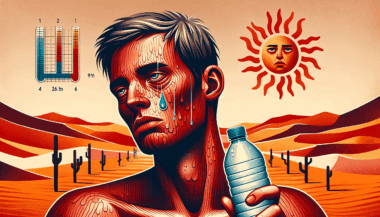
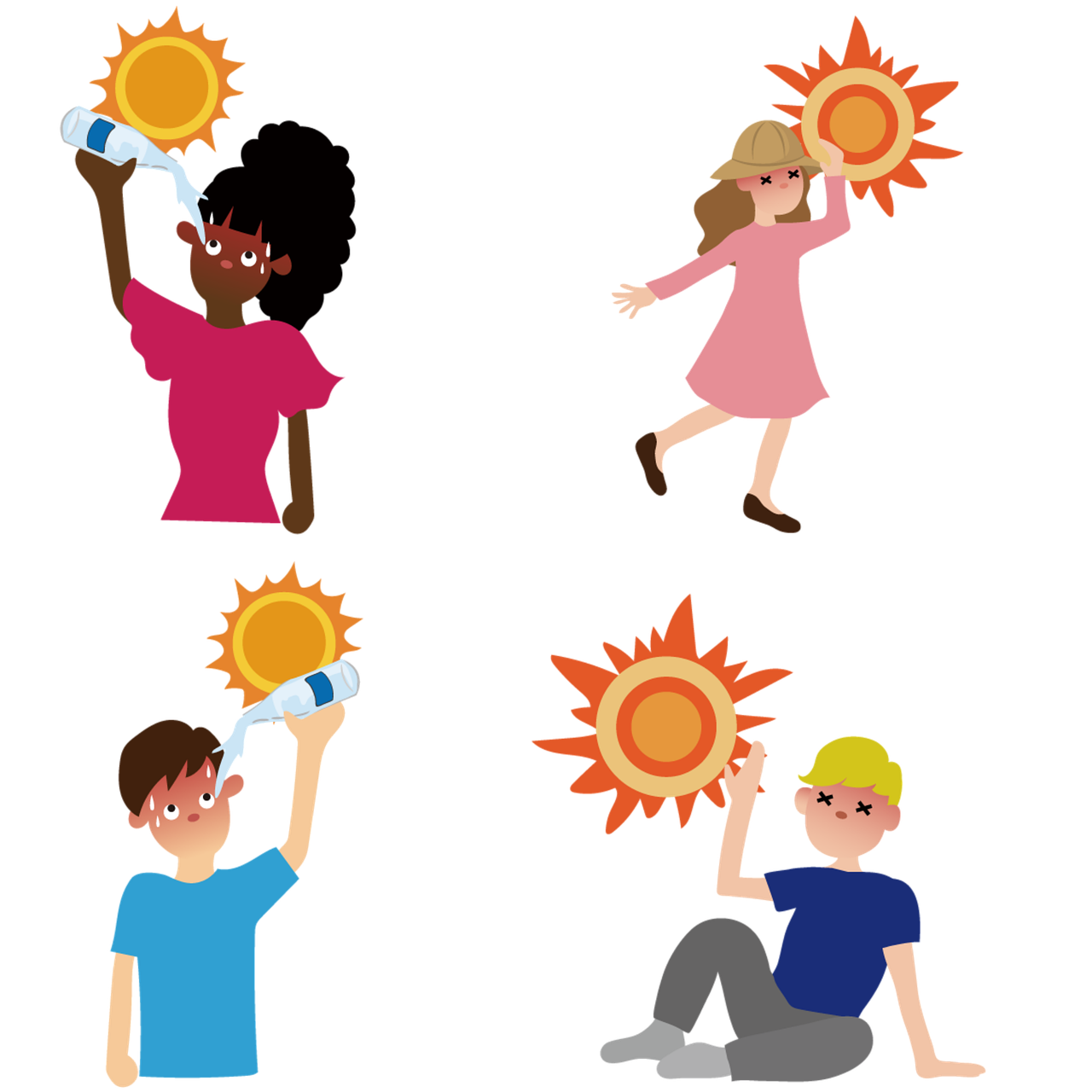
Heat-related illnesses often escalate with poor hydration, making awareness essential for prevention. The symptoms of heat exhaustion include heavy sweating, weakness and headache, and they may advance to heatstroke if left unchecked, which can be life-threatening. Recognizing the early signs ranks as crucial in effective response to potential heat stress. Individuals must be educated on understanding these symptoms to act promptly. Research emphasizes that staying hydrated mitigates these risks effectively. Training programs designed to educate the public on heat stress and its associated risks should prioritize hydration education. Emphasizing that prevention through hydration is not only a personal responsibility but a community obligation can propel a collective commitment to safeguarding against heat-related challenges. Moreover, employers must consider hydration policies in workplaces, especially in outdoor settings. Ensuring easy access to water and appropriate breaks is vital for employees exposed to high temperatures. Collaborations between sports organizations and health experts can further promote hydration awareness during community events. Utilizing social media and community outreach can extend the audience reach further. Empowering the public with knowledge bolsters preventative strategies significantly across all demographics.
Hydration and Performance
The connection between hydration and athletic performance is scientifically significant. At optimal hydration levels, an athlete can achieve their best potential. Dehydration, on the other hand, can lead to reduced endurance, strength and overall performance efficiency. Research shows even a 1-2% drop in body weight due to fluid loss can impair performance. Mental clarity and focus during sporting activities are crucial, and hydration plays a pivotal role in maintaining cognitive function. During endurance events, performance drop-offs can be linked to dehydration, indicating a clear correlation. Moreover, effective hydration can enhance recovery times, which is fundamental for continuous training and performance improvement. Athletes should seek individualized hydration plans based on their specific needs. Utilizing sports drinks during long-duration events can provide the dual benefit of hydration and energy. Furthermore, timing of meals and snacks in relation to hydration can also affect performance outcomes. A well-timed approach can help sustain energy levels and prolong endurance capabilities. Understanding the science behind hydration aids athletes in making informed decisions, ultimately influencing their overall achievements. A mechanism grounded in hydration strategies can enhance the likelihood of achieving performance goals.
Addressing hydration during different life stages is fundamentally important for health. Children, adults and seniors each have unique hydration needs. Children require careful monitoring of hydration during physical activities, as they may not always recognize thirst efficiently. This calls for parents and educators to be vigilant in encouraging routine fluid intake. For adults, lifestyle choices and exercise frequency dictate hydration requirements. Therefore, maintaining awareness of personal hydration needs based on daily activities becomes crucial. Seniors often experience a reduced thirst sensation; hence, this demographic must be targeted in hydration awareness campaigns. Frequent reminders for fluid intake can help counterbalance this issue. Additionally, seniors may be more vulnerable to dehydration due to certain medical conditions or medications. Educating caregivers and healthcare practitioners on signs of dehydration in elderly populations ensures timely health interventions. Across all life stages, encouraging hydration should encompass culturally sensitive approaches and preferences. For example, promoting consumables rich in water content, like soups and fruits, can bridge hydration needs across different dishes. Hydration’s influence transcends mere performance; it is an essential element for sustaining overall well-being throughout one’s life.
This is the concluding paragraph emphasizing the importance of hydration strategies in preventing heat-related health risks. Consistent knowledge sharing and encouraging healthy practices contribute toward better public health outcomes. The emphasis on developing community programs to optimize hydration in various settings requires strong collaboration. Integrating hydration education within sports, workplaces, and schools can normalize hydration practices across different demographics. Research needs to continue evolving, focusing on personalized hydration strategies that evolve with changing climates and lifestyles. Ultimately, being proactive about hydration equips individuals with the tools necessary to combat heat stress and related illnesses effectively. A focus on prevention creates a culture of safety and well-being not just for athletes but for everyone exposed to the heat. It’s essential to promote a lifestyle in which hydration is paramount to achieve optimal health and performance. The benefits of proper hydration extend beyond individual experiences, echoing at a community level. By weaving these practices into everyday routines, we cultivate a society that prioritizes health and well-being through sensible hydration strategies. Let’s harness collective efforts to raise awareness of hydration’s significance while repurposing habits to foster vibrant, healthy communities.