
Coordination Enhancement Techniques for Freestyle Skiers
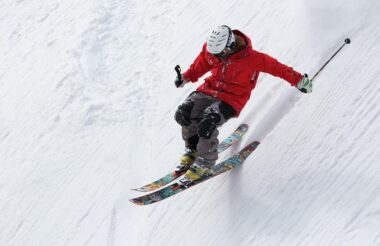
Freestyle skiing requires extraordinary balance and coordination, which are critical for executing jumps, tricks, and maintaining control. One effective way to enhance these skills is through tailored balance and coordination workouts. These exercises aim to develop core strength and agility, essential for skiers as they navigate complex terrains. Incorporating exercises like single-leg balances and stability ball activities can significantly improve proprioception, enhancing a skier’s ability to adjust quickly during movement. This kind of training can be integrated into regular workout routines, emphasizing gradual progress. Furthermore, utilizing dynamic movements, such as lateral lunges with rotation, helps refine coordination while engaging multiple muscle groups simultaneously. Practicing these movements on diverse surfaces can amplify the adaptiveness needed on the slopes. Outdoor settings stimulate various sensory inputs, further benefiting balance work. Additionally, visual elements, such as focusing on a spot while executing a trick, enhance spatial awareness. This correlation between training and performance is evident as skiers report improved confidence during maneuvers. Therefore, skiers should prioritize coordination-focused workouts in their training regimen to achieve peak performance during competitions.
The inclusion of agility drills in training also plays a significant role in improving coordination for freestyle skiers. Incorporating exercises like cone drills or ladder drills can promote quick footwork and enhance overall body coordination. Agility is crucial when approaching slopes and executing complex jumps or spins. Moreover, engaging in pilates or yoga can enhance core strength, flexibility, and balance, all of which contribute to better coordination on the slopes. As skiers gain proficiency in these disciplines, their muscle control improves, allowing for more precise movements during skiing. Visual feedback during workouts can additionally improve performance. Recording techniques and analyzing the footage provide insights into body alignment and movement patterns. Recognizing these nuances enables skiers to make necessary adjustments, leading to better execution of skills. Moreover, encouraging novice skiers to participate in group workouts fosters a sense of community, enhancing motivation and accountability. Such camaraderie builds confidence, making high-pressure environments more manageable. Incorporating these techniques into a comprehensive training regimen is essential for enduring success in freestyle skiing. By constantly refining these skills, skiers can elevate their abilities and excel in competitions.
Specific Exercises to Enhance Balance and Coordination
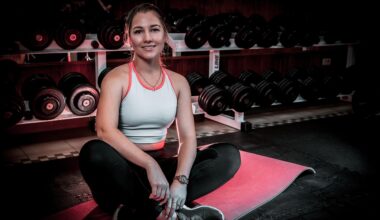
To specifically target balance and coordination, skiers should include exercises such as medicine ball twists and resistance band lateral walks. Medicine ball twists engage the core while focusing on rotational stability, which is pivotal for executing aerial tricks. Similarly, lateral walks with resistance bands help to build strength in the hip abductors, enhancing overall stability. Performing these exercises in a circuit format can maximize efficiency, ensuring all muscle groups are adequately engaged. Additionally, incorporating balance boards or Bosu balls can significantly challenge a skier’s stability. Practicing standing on these unstable surfaces while performing movements simulates real skiing conditions, thus increasing overall neuromuscular control. Regularly alternating training environments, such as moving from flat surfaces to varied landscapes, can also instill adaptability in balance training. It’s beneficial to include plyometric exercises like box jumps, as they develop explosive power and coordination essential for jumps. Engaging in these exercises not only builds physical strength but also enhances mental focus and body awareness. Ultimately, a diverse workout routine tailored to these aspects can significantly benefit a skier’s overall performance and confidence on the slopes.
As skiers progress in their training, utilizing video analysis can further refine their techniques. By recording training sessions, skiers gain valuable insights into their performance, identifying areas needing improvement. This self-analysis fosters accountability, motivating them to enhance their balance and coordination. Moreover, participating in simulated competitions can acclimate skiers to high-pressure situations, improving their reaction time and decision-making skills. Skiers often find that performing in front of their peers cultivates a supportive environment, leading to enhanced learning. Incorporating unilateral training, which focuses on one limb at a time, also enhances coordination. Exercises such as single-arm rows or step-ups challenge balance differently than bilateral movements, strengthening connections between the brain and muscles. Ultimately, skiers need to practice consistently, focusing on engaging their core during each exercise. This focus will build a solid foundation for more advanced movements. It is vital for them to remain open-minded towards feedback and adjust their training accordingly. By embracing these constructive critiques, skiers can elevate their overall skill level and tailor their training to suit their improvement needs.
Nutrition’s Role in Coordination and Balance
Nutrition plays an essential role in a skier’s performance, particularly in relation to balance and coordination. A well-balanced diet supports overall energy levels and muscle function, fundamental components for executing complex movements. It is crucial for skiers to fuel their bodies with adequate carbohydrates, proteins, and healthy fats. Carbohydrates supply the energy necessary for intense physical activity, while proteins assist in muscle recovery and growth. Hydration also plays a pivotal role in maintaining optimal performance. Dehydration can significantly impact coordination, leading to slower reactions and diminished strength. Skaters should aim to consume plenty of water and electrolyte-rich beverages, particularly during strenuous training sessions. Incorporating foods rich in omega-3 fatty acids, such as fish, can enhance brain function, improving focus. Additionally, colorful fruits and vegetables are packed with antioxidants, reducing inflammation and supporting recovery. Regular nutrient timing, such as consuming a protein-rich snack post-workout, can further enhance muscle repair processes. Therefore, skiers must understand the relationship between their diet and performance, ensuring they meet their nutritional needs for optimal balance and coordination.
To amplify their training further, skiers might consider working with a professional coach or a personal trainer specializing in athletic performance. These experts can provide tailored advice and create specific workout regimens targeting individual needs and goals. A well-structured training plan allows skiers to focus on improving balance and coordination through progressive overload. Access to specialized equipment, such as resistance bands, balance discs, and foam rollers, can augment traditional training methods, adding variety and challenge. Seasonal training camps offer structured environments that focus on enhancing overall athletic performance. These camps create opportunities for focused practice and learning from other skilled athletes, fostering a supportive network. Additionally, recovery is critical to enhancing performance while preventing injuries. Skiers should prioritize sleep and recovery techniques, such as foam rolling or active stretching, to support muscle health. Setting benchmarks and tracking progress can motivate skiers to consistently refine their skills. By integrating these aspects into their training, skiers can cultivate a robust foundation for improved balance and coordination, ultimately leading to a more rewarding competitive experience.
Setting Goals for Training
Establishing clear, achievable goals is vital in the training journey of freestyle skiers. Setting specific, measurable targets can create a roadmap for improvement in balance and coordination. By breaking larger goals into smaller, manageable milestones, skiers can maintain motivation and track progress. Regularly scheduled assessments allow skiers to reflect on improvements and readjust goals as necessary, ensuring continued advancement. Engaging in visual imagery can complement physical training, reinforcing the mental aspects of skiing. Picturing successful maneuvers can significantly enhance confidence and performance. It is also essential for skiers to remain adaptable; as they progress, their goals may shift, mirroring their evolving abilities. While setting goals is crucial, skiers must also find enjoyment in their training. Incorporating fun aspects, such as skiing with friends or joining group classes, fosters a positive learning environment. Celebrating achievements, no matter how small, promotes a sense of accomplishment, further driving motivation. Ultimately, by weaving together effective training strategies, nutrition, and goal-setting, skiers can fully unlock their potential on the slopes.
With these comprehensive techniques aimed at enhancing balance and coordination, freestyle skiers are better prepared for both recreational skiing and competition. Consistent training that addresses these crucial skills will build confidence while also enhancing performance on the slopes. Skiers are encouraged to incorporate these techniques into their year-round training regimen, as it promotes long-term development and improvement. Finding the right combination of exercises tailored to individual needs, along with mindful nutrition and recovery practices, will yield optimal results. As athletes begin to notice progress in their abilities, it boosts motivation, fostering a continuous thirst for improvement. Connecting with experienced coaches can further enrich one’s journey, providing expert guidance and support. Additionally, the camaraderie formed with fellow skiers during training sessions creates a positive atmosphere promoting shared learning experiences. As a result, these collaborations contribute to heightened personal achievement. By establishing structured training programs, skiers can effectively work towards mastery in balance and coordination. This competency is crucial not only for executing impressive tricks but also for safely navigating challenging terrains. Ultimately, the integration of these strategies will undoubtedly enhance performance and enjoyment in freestyle skiing.