
Expert Tips from OCR Coaches at Training Camps
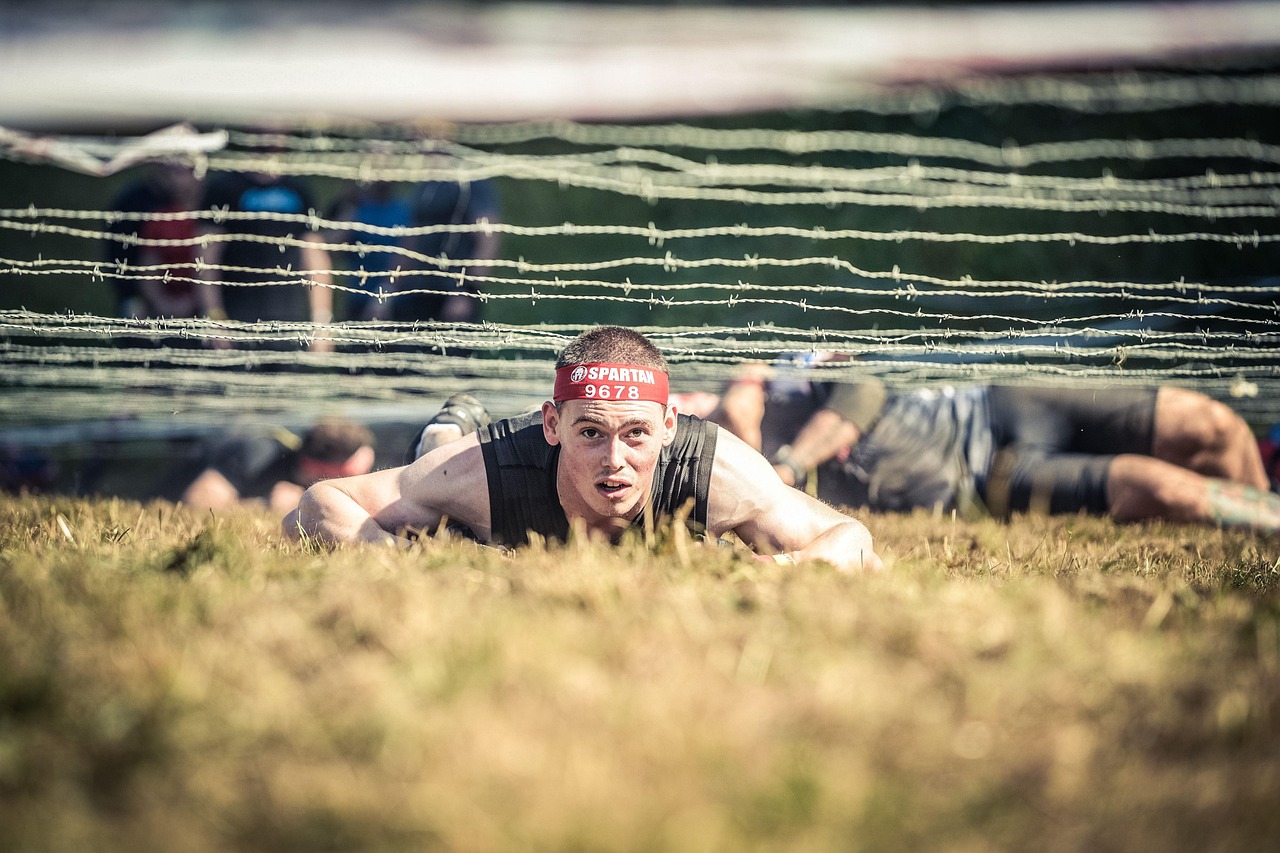
Obstacle Course Racing (OCR) is an exhilarating sport requiring physical strength, agility, and mental toughness. Training camps and clinics are essential for those who want to improve their skills and performance. These programs offer opportunities to work with experienced coaches who specialize in OCR. A key focus in these camps is on developing techniques that help participants navigate various obstacles effectively. Coaches emphasize the importance of strength training, endurance work, flexibility, and mental preparation. By focusing on these areas, athletes can enhance their performance during races. It’s also vital to practice familiarizing oneself with different obstacle types and techniques, particularly those including walls, ropes, and mud. Understanding the mechanics behind each obstacle can lead to quicker and more efficient navigation. Additionally, participants at these camps typically benefit from interpersonal skills development, teamwork, and camaraderie with fellow athletes. Social interactions during training enhance the overall experience and motivate participants. The camps also provide a supportive environment where beginners and advanced athletes can learn from each other. Personalized feedback ensures everyone continues to improve without feeling overwhelmed.
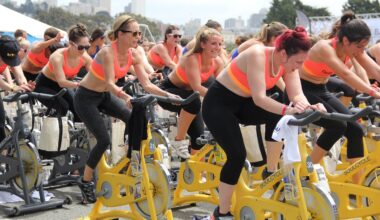
At OCR training camps, it is crucial to engage in strength workouts tailored specifically for the challenges of obstacle racing. Coaches recommend incorporating exercises like deadlifts, squats, and pull-ups into your routine. These exercises enhance power and total body strength, vital for overcoming demanding obstacles. Along with strength training, conditioning is also significant for success in OCR events. Interval training boosts cardiovascular fitness, helping you recover faster between demanding obstacles. Coaches often suggest including multiple types of cardio, such as running, cycling, and rowing, to increase overall endurance. Moreover, developing proper technique is essential to maximize performance and minimize the risk of injury. For instance, practicing the correct approach for climbing walls can save energy and yield better results during races. Many camps also incorporate specialized training equipment, allowing athletes to practice diverse obstacles in a controlled environment. Athletes learn how to adapt their techniques to different terrains and conditions, honing their adaptability skills on challenging courses. Team environments foster a sense of support and accountability, pushing individuals to achieve their personal bests. Coaches often stress the importance of hydration and nutrition during training sessions. Optimal nutrition fuels performance and aids recovery.
Developing Mental Toughness for OCR
OCR isn’t solely dependent on physical prowess; mental strength is also essential. At OCR training camps, coaches focus on establishing a winning mindset through various techniques. Visualization, for instance, allows athletes to mentally rehearse their race day performance, increasing confidence. Athletes are encouraged to picture themselves successfully navigating obstacles and overcoming challenges, reinforcing a positive mindset. Mental resilience is built through challenging workouts, pushing participants to confront their limits while promoting growth. Coaches also advise practicing meditation and mindfulness techniques, which can enhance focus and reduce anxiety. During high-pressure situations, maintaining composure is vital. Athletes who embrace discomfort and push through challenging moments often find themselves more prepared for races. This mental approach can be strengthened within a supportive community of fellow participants who share similar goals. Furthermore, learning to set realistic goals can boost motivation and provide direction during training. In OCR, breaking down long races into manageable segments makes the challenge less overwhelming. Celebrate small victories along the way, fostering a sense of accomplishment. Effective communication with coaches facilitates the development of both physical and mental aspects of training, inspiring continuous improvement.
Another significant aspect of OCR training camps includes adaptability to various outdoor environments. Since races often take place in changing terrains, it is crucial for participants to develop skills necessary for different landscapes. Coaches focus on training methods that prepare athletes for running on trails, climbing hills, and navigating slippery surfaces. Practicing in diverse conditions showcases the need to develop agility and quick decision-making. Obstacle races may vary from sandy beaches to muddy fields, so developing a versatile approach is imperative. Participants also learn about important gear, ensuring they have the right shoes and apparel for specific terrains. Wearing proper footwear can greatly enhance performance and grip on challenging surfaces, reducing the risk of injury. Aside from equipment, coaches highlight the psychological importance of being adaptive during a race. Unpredictable circumstances can arise during races, and being mentally prepared to tackle these challenges is crucial. Training with unpredictable scenarios simulates race day experiences, providing athletes with the confidence to adapt on the fly. Maintenance of a positive attitude is essential for overcoming setbacks during a race. Coaches emphasize the importance of learning from each experience, reinforcing that every race presents opportunities for growth.
Nutrition and Recovery Strategies at OCR Camps
Nutrition plays a pivotal role in developing OCR athletes. OCR training camps prioritize educating participants on fueling their bodies for optimal performance and recovery. Coaches customarily recommend following a balanced diet consisting of carbohydrates, proteins, and healthy fats. Carbohydrates provide essential energy for training, while protein aids muscle recovery. Including a variety of fruits and vegetables helps deliver necessary vitamins and minerals. During training camps, athletes learn the importance of meal timing to enhance performance. Consuming pre- and post-workout meals ensures their bodies have adequate nutrients for sustained energy and recovery. Additionally, hydration practices emphasize maintaining fluid balance before, during, and after workouts. Coaches highlight the significance of recognizing personal hydration needs, as it can fluctuate among athletes. Moreover, recovery strategies are thoroughly discussed, including active recovery, stretching, and rest days. Understanding the role of active recovery helps prevent burnout and injury, promoting long-term sustainability in the sport. Rest and quality sleep are vital components of recovery that significantly influence performance. Athletes also learn about potential supplements, emphasizing a cautious approach that prioritizes nutrition through whole foods. This education empowers athletes to make informed nutritional choices, enhancing their OCR journey.
Lastly, OCR training camps provide an opportunity for participants to develop camaraderie and engage in team-building exercises. These experiences enhance athletes’ networks, creating lasting friendships within the OCR community. Supportive interactions among fellow participants foster motivation and accountability while pushing each other towards their goals. Coaches encourage a team environment where individuals feel comfortable sharing their experiences and techniques. Group workouts reinforce the sense of community while creating an enjoyable atmosphere for training. Additionally, athletes learn valuable skills about leadership and cooperation through team-building activities. Overcoming physical challenges during group exercises strengthens bonds between participants. Coaches also facilitate discussions on their OCR experiences, sharing valuable insights from their careers. Participants benefit from these shared stories, learning actionable strategies to implement in their training. Furthermore, the importance of working together through challenges extends to race day, where participants can encourage and uplift one another. Emphasizing teamwork promotes a positive race-day experience, ultimately building confidence in each athlete. By the end of the camp, participants return home not only skilled but uplifted by their experiences, eager to implement newly acquired knowledge in their future OCR endeavors.
Attending OCR training camps can create invaluable experiences that aid personal growth and development. By participating in various aspects, athletes can significantly elevate their OCR performance. Coaches dedicated to supporting individuals throughout their journey demonstrate the collective commitment shared in OCR communities. While focusing on specific skills and techniques, maintaining an open mind is imperative for improvement. Athletes should remain receptive to feedback, refining their approaches for races and training alike. Each participant carries unique strengths and weaknesses, which coaches help to identify and address. Ultimately, continuous learning serves to enrich the training experience. Programs designed to accommodate the diverse needs of participants help cultivate an inclusive environment. As athletes depart from these camps, they carry valuable lessons and friendships that last well beyond the training period. The shared knowledge and passion for OCR continue to inspire throughout their racing careers. Fostering a sense of belonging within the community empowers athletes, retaining their enthusiasm for the sport. Inspired by the commitment exhibited by their peers, participants are likely to maintain their motivation and continue pushing themselves toward new personal bests. The journey of OCR involves not only physical challenges but also emotional and social growth.
Each participant’s experience during OCR training camps intricately weaves into the larger fabric of obstacle racing. Exposure to various perspectives helps individuals evolve as athletes and individuals alike. Connecting with seasoned coaches provides insight into better preparation and strategies. Moreover, athletes benefit from hearing about the mistakes and successes of other participants. This sharing of knowledge enhances personal training journeys and enriches the overall camp experience. As athletes continue to refine their skills and learn to adapt, the skills mastered at training camps serve them well in future races. This long-term vision of growth is often supported by engagement in local OCR communities that allow for continued learning and development. Such engagement fosters the sharing of ideas, techniques, and nutritional knowledge. Ultimately, the bonds formed during these experiences contribute to a vibrant community focused on personal excellence. Through commitment and collaboration, athletes can move towards achieving their goals while competing in challenging races. As they strive for new achievements, the supportive networks established at camps strengthen their resolve and passion for the sport. Together, they forge paths of resilience, camaraderie, and success in the world of Obstacle Course Racing.