
How to Photograph Indoor Rowing Events Effectively
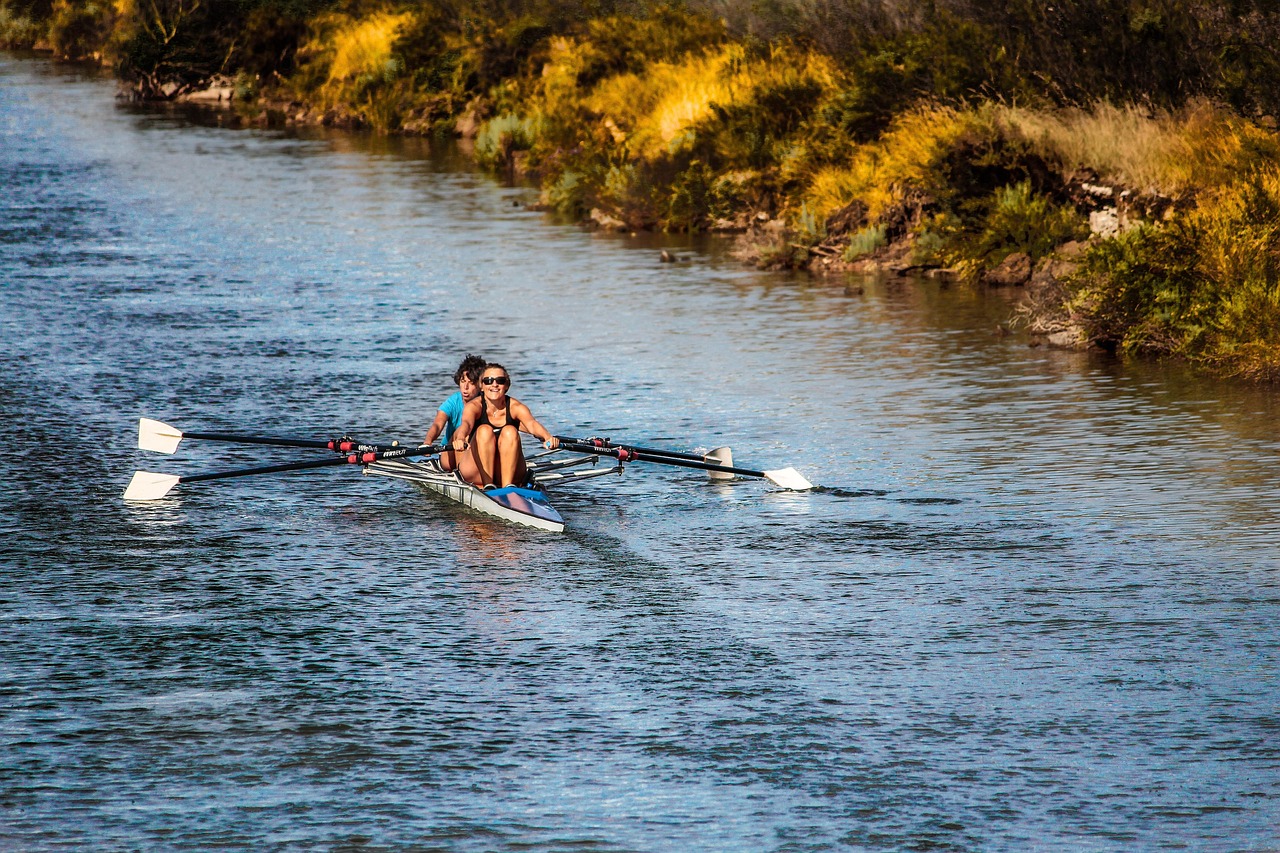
Indoor rowing events are challenging yet rewarding opportunities for photographers. Capturing the intensity and emotion of these competitions requires a strategic approach. Begin by understanding the event and its layout, including seating arrangements and track positioning. Scout your location early to find the perfect angles that highlight the athletes’ effort. While photographing, focus on the crew’s technique, the equipment, and the energy of the audience. Utilize your camera settings wisely; adjust your shutter speed to freeze the action while maintaining clarity. Using a wider aperture can help produce images that stand out against a blurred background.
Lighting is another crucial factor to consider when shooting indoor rowing events. Many venues have unpredictable lighting conditions, so it’s vital to assess the light levels early on. If the light is low, increase your ISO settings while monitoring for noise. A tripod may help stabilize your shots, especially during longer exposure times. Consider using a flash, but check the event rules to ensure compliance. Be prepared to experiment with different angles and perspectives, such as sweeping crowd shots or close-ups of individuals in action. Capture the emotions displayed on athletes’ faces as they push through their limits.
Composition is essential in sports photography, and indoor rowing is no exception. Rule of thirds can enhance your images dramatically by placing subjects off-center to create tension and dynamic energy. Use leading lines to draw viewers’ attention to your primary subject, the rowers, as they compete. Incorporating foreground elements can add depth to your photos and enhance viewer engagement. Ensure each shot conveys a story, whether through dramatic expressions or decisive moments of competition. After capturing various angles, focus on the details: hands gripping oars, water splashing, and athletes’ facial expressions, which evoke emotion.
Another helpful technique is to anticipate key moments throughout the event. Watch for cues such as the start signal or the finish line to capture pivotal actions. This preparation allows you to be in the right position at the right time. Continuous shooting mode can help you get the perfect frame when the action peaks. Always be alert; sometimes, the most stunning shots come from unexpected moments. Embrace the essence of the competition by capturing not only the rowers but also the coaching staff, spectators, and the overall atmosphere of the event.
Post-Processing Your Images
After capturing your photographs, post-processing is vital for enhancing the final images. Use editing software to adjust brightness, contrast, and colors to reflect the mood of the event accurately. Cropping can improve your composition further while eliminating distractions. Consider applying sharpening techniques to ensure clarity. If you shot in RAW format, you have greater flexibility in adjusting these elements without losing quality. Be mindful not to over-process your images, as this can detract from the natural beauty captured during the event. Experiment with filters sparingly to maintain authenticity and keep the focus on the athletes.
Sharing your work can build a network and enhance your reputation as an indoor rowing photographer. Utilize social media platforms to showcase your best shots, tagging athletes and teams for visibility. Creating a dedicated website or portfolio will provide a professional space to display your work. Engage with the rowing community by sharing tips or behind-the-scenes content to attract a larger audience. Attend events regularly and build relationships with rowers, coaches, and organizations. These connections can lead to future opportunities and collaborations, expanding your photography career in sports.
Networking at rowing events can significantly increase your visibility as a photographer. Engage with athletes and their coaches, capturing authentic moments that resonate with their experiences. Collaborating with local rowing clubs may offer opportunities to shoot practices or private events. Consider creating personalized packages for teams, allowing you to work closely within the community while enhancing your portfolio. Offering your skills to help with promotional material can be mutually beneficial, ensuring a steady stream of business and professional relationships. Additionally, join online forums and communities dedicated to rowing and photography.
In conclusion, photographing indoor rowing events requires a blend of preparation, understanding, and technical skill. By mastering composition, lighting, and post-processing, you can effectively capture the thrilling essence of these competitions. Consistent practice will enhance your skills, making you a sought-after photographer in the rowing community. With passion and dedication, your photographs can tell powerful stories of athletes overcoming challenges in pursuit of their goals. As you immerse yourself in the world of rowing, remember to celebrate your growth and the connections forged through your photography passion.