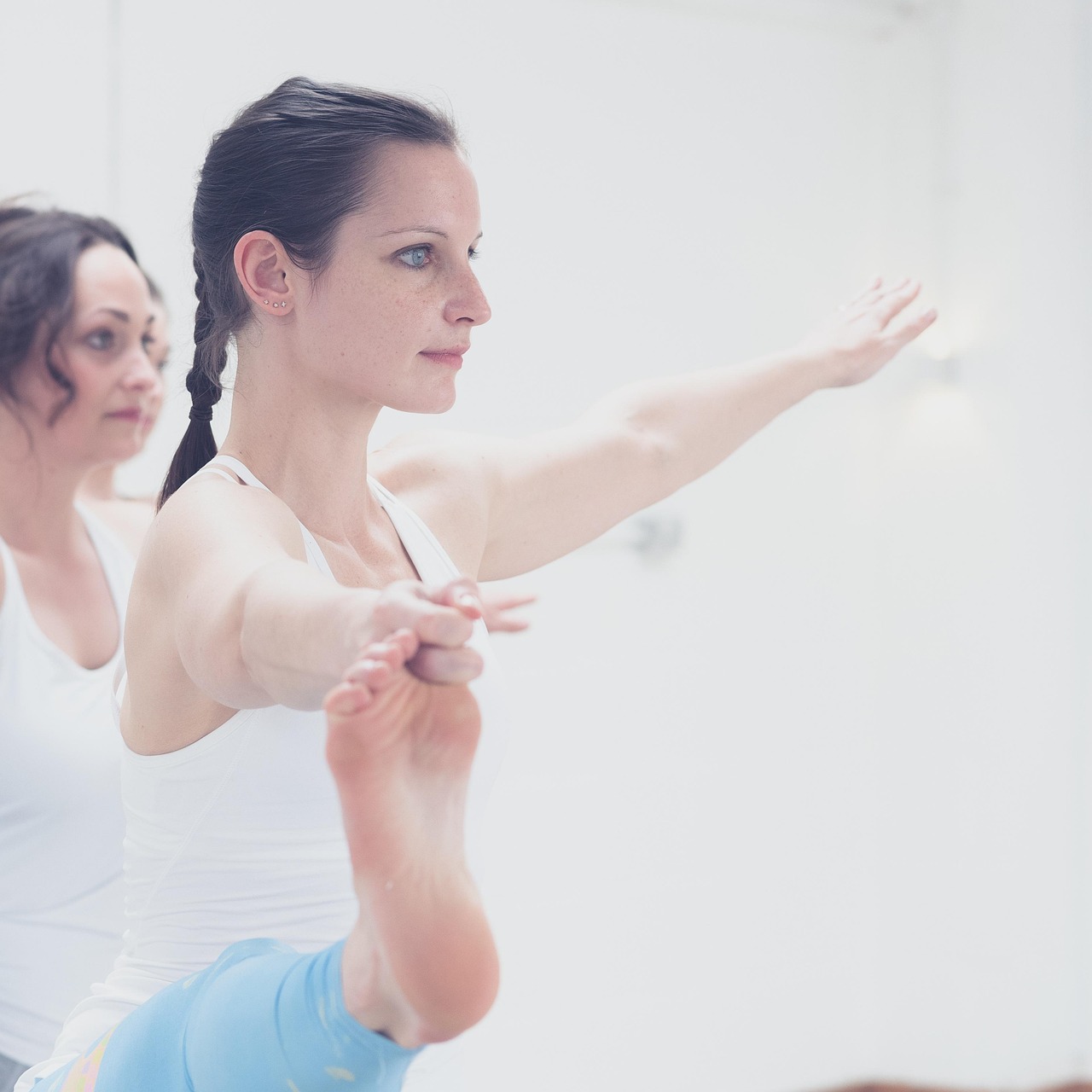

Flexibility Training Modalities Overview
Flexibility training is essential for athletes and fitness enthusiasts alike, serving various purposes, including improving range of motion and enhancing overall athletic performance. Three common methods of flexibility training include static, dynamic, and ballistic stretching. Understanding their differences is crucial for anyone looking to develop a well-rounded flexibility regimen. Statistically, many people believe that static stretching should be performed before physical activity, while others argue that dynamic stretching is superior. Dynamic stretching involves controlled movements that prepare muscles for activity. In contrast, static stretching consists of holding positions to elongate muscles and may be more beneficial during cool-downs. Each method offers its own unique benefits, thus making it important to assess individual needs and preferences. Individuals may excel with one modality over others, depending on their specific goals, activities, and body types. Therefore, a personalized approach to flexibility training is critical. It enables individuals to maximize benefits while minimizing risks associated with flexibility training. For optimal results, incorporating multiple modalities may yield the desired improvements in flexibility and mobility. A comprehensive flexibility program should therefore consider these vital factors to ensure safety and effectiveness.
Static Stretching Explained
Static stretching is characterized by maintaining a stretch in a specific position for an extended duration, typically around 15 to 60 seconds. This modality focuses on elongating muscles and enhancing overall flexibility. It’s widely recognized for its effectiveness in promoting relaxation after physical activities. Many athletes incorporate static stretching into their cool-down routines to prevent potential injuries and facilitate muscle recovery. Research even suggests that static stretching can increase joint range of motion, making it advantageous for many sports. Nevertheless, timing is crucial. Engaging in static stretching before intense physical activities or competitions can lead to temporary reductions in strength and power output. Thus, it is more beneficial when performed post-workout or as a separate session. Incorporating static stretching can also help improve posture and alleviate muscle soreness. Integrating it with other training modalities enriches a fitness regimen. Proper technique, including controlled breathing, enhances the stretch experience and effectiveness. Beginners should focus on correct positioning to maximize benefits while minimizing potential strain. Consulting fitness professionals can establish appropriate routines tailored to individual requirements and goals, ensuring safety and effectiveness in flexibility training.
Dynamic Stretching in Practice
Dynamic stretching offers an alternative approach to flexibility training, utilizing active movements to prepare muscles for performance. This method is characterized by controlled leg and arm swings that promote increased heart rates and circulation to the muscles. Common dynamic stretches include leg swings, walking lunges, and arm circles, serving as warm-ups for various forms of physical activity. As a result, this modality is increasingly favored among athletes, particularly before competitions and high-intensity workouts, due to its ability to prepare the body for functional movement. Studies show that dynamic stretching may enhance performance by improving muscle elasticity and functional range of motion. Importantly, it reduces the risk of injuries by engaging the body in movements that replicate the demands of upcoming physical tasks. While dynamic stretching can effectively complement strength and conditioning programs, the focus should remain on proper form to avoid injuries. With rapid movements, individuals should start slowly, gradually increasing intensity. Integrating dynamic stretches into workouts can promote coordination and quickness. Outdoor runners and fitness enthusiasts benefit immensely from this flexibility training approach, cultivating a strong foundation for performance.
Ballistic Stretching Techniques
Ballistic stretching is an advanced flexibility training technique that involves bouncing movements to achieve a greater range of motion. This method differs significantly from static and dynamic stretching due to its higher intensity and faster movements. While it can be highly effective for athletes seeking to improve explosive strength or flexibility, it also carries an elevated risk of injury. Therefore, understanding the intricacies and appropriate execution of ballistic stretching is essential. This method is beneficial in sports involving quick, dynamic movements, such as gymnastics, martial arts, and sprinting. During ballistic stretches, individuals might incorporate bouncing motions to stretch the opposing muscles dynamically. However, such rapid movements may lead to strains if not performed correctly. It is crucial to begin with adequate warm-up sessions before engaging in ballistic stretching. Additionally, individuals should assess their current flexibility levels and physical conditioning before attempting these exercises. Consulting experienced trainers can aid in mastering proper techniques and mitigating injury risks. Therefore, if considering ballistic stretching, proper preparation, prior experience and knowledge are vital, enabling individuals to enjoy the flexibility benefits safely.
Comparison of these three modalities highlights the importance of tailoring flexibility training to individual needs. Each method has its unique strengths, making it vital to choose the right approach based on personal fitness goals and physical conditions. For instance, athletes focusing on high-performance sports may find dynamic stretching most beneficial for pre-competition routines, preparing their bodies for quick, explosive movements. Conversely, recreational athletes may prefer static stretching to unwind after their workouts, aiding recovery and promoting relaxation. Ballistic stretching may appeal to those aiming for advanced athletic performance, provided they manage their risks effectively. Understanding these distinctions empowers individuals to adopt an informed approach to flexibility training, maximizing their benefits while minimizing injuries. Furthermore, incorporating all three modalities can provide a comprehensive flexibility regimen. For best results in mobility and flexibility, professionals recommend a blended program that considers each method’s unique advantages. By alternating between static, dynamic, and ballistic stretching, individuals can maintain optimal flexibility and functional movement in various activities. As individuals explore these techniques, prioritizing safety and gradual progress is essential to harness their potential.
In summary, flexibility training is a fundamental aspect of fitness and athletic performance, with numerous methods available for individuals seeking improvement. Each of the discussed modalities—static, dynamic, and ballistic stretching—serves its distinct purpose, contributing to overall flexibility and mobility. Static stretching promotes relaxation and recovery, while dynamic stretching primes the body for movement and performance. Ballistic stretching, though riskier, can be beneficial for advanced athletes looking to push their limits. Achieving a balance in flexibility training can ensure comprehensive body conditioning, promoting a higher quality of performance in various physical activities. Implementing a well-structured flexibility routine that incorporates elements from all three modalities could yield significant benefits. For those unsure about which methods to prioritize, it may be useful to consult a fitness professional for personalized guidance. Recognizing the need to adapt stretching approaches based on individual requirements fosters an environment of constant growth and improvement. As knowledge in exercise physiology continues to evolve, flexibility training remains a vital component of athletic and fitness pursuits.
Ultimately, consistency in flexibility training is crucial, allowing individuals to see progress over time. Whether one chooses static, dynamic, or ballistic stretching, a dedicated approach leads to better mobility and versatility in various activities. Therefore, maintaining a regular schedule contributes significantly to improvements in flexibility, along with careful attentiveness to proper technique. Physical therapists, trainers, and coaches can offer support and resources for those starting their flexibility journey or looking to refine their existing routines. An ongoing commitment to enhancing flexibility equips individuals with the skills necessary for advancing in sports and fitness fields. Motivation can often wane, and therefore establishing enjoyable routines and goals can help sustain enthusiasm for flexibility training. Continuous evaluation and adjustment of routines will ensure that individuals stay engaged and challenged. By treating flexibility training as an integral component of overall fitness, one sets the stage for achieving balanced physical performance, experiencing the full range of benefits while minimizing injury risks. The relationship between flexibility and overall fitness is undeniable, which emphasizes its importance in personal health journeys.
As one progresses and becomes comfortable with various stretching modalities, it could be advantageous to combine them periodically for optimal outcomes. This integration not only keeps training sessions interesting, but also challenges the body in diverse ways. Transitioning from one modality to another can effectively enhance adaptability, allowing for better physical performance overall. Regular assessments of one’s flexibility journey will help track achievements and identify possible areas for improvement. Collaboration with fitness experts can further refine these plans and increase overall effectiveness. Maintaining a positive mindset and setting realistic goals will encourage commitment to a consistent flexibility training regimen. Overall, loving oneself and achieving personal milestones fosters a fulfilling experience in fitness. Encouragement and support from peers or trainers can enhance motivation, offering moral support as individuals work towards their flexibility goals. Ultimately, building a solid foundation in flexibility promotes long-term benefits in mobility, athletic performance, and injury prevention. Participants are encouraged to engage with various stretching techniques systematically, optimizing their gradual improvement in flexibility, progressively conquering new challenges, and enjoying the physical freedom gained through dedicated practice and persistence.