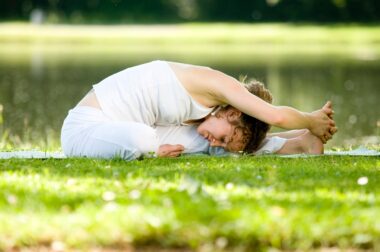

Benefits of Deep Breathing Exercises in Post-Exercise Recovery for Seniors
Deep breathing exercises are essential for post-exercise recovery, especially for seniors. After engaging in physical activities, the body requires help managing stress and tension. Deep breathing techniques help calm the nervous system, allowing the heart rate to decrease naturally. This process enhances overall relaxation, encouraging a smoother transition from workout intensity to a restful state. In particular, seniors who practice deep breathing may experience a greater sense of well-being. As they inhale deeply, they can focus on their breath, creating a meditative state that reduces anxiety and promotes mental clarity. Furthermore, deep breathing can help improve lung capacity, crucial as aging may reduce respiratory efficiency. By taking deliberate, deep breaths, seniors can enhance oxygen intake, supporting cardiovascular health. As they exhale slowly, they release built-up toxins and carbon dioxide, which benefits overall health. Additionally, implementing these exercises into a post-workout routine can improve concentration and aid in quicker recovery times for sore muscles. This practice is not only beneficial for physical wellness but also enriches mental resilience, proving to be an invaluable tool for seniors committed to maintaining a healthy lifestyle.
Seniors who incorporate deep breathing techniques into their recovery regimen often witness improved physical and emotional states. The reduction in stress linked to breath control can have far-reaching impacts on muscle tension. During exercises, especially strength training, tension can accumulate, resulting in discomfort. By consciously engaging in deep breathing, seniors actively combat this tightness. A structured routine of inhaling and exhaling encourages mindfulness, allowing seniors to refocus their energies away from discomfort. Thus, this practice aids in mitigating pain perception while fostering a greater understanding of their body’s capabilities. Additionally, as seniors learn to coordinate their breathing with movement, they develop better control over their bodies. This newfound awareness translates into more effective exercise sessions, as they can gauge their levels of exertion and adjust accordingly. Seniors practicing deep breathing can also experience enhancements in their sleep quality, as these techniques foster a state of relaxation that’s conducive to better rest. Overall, deep breathing serves as a holistic approach, harmonizing the physical, emotional, and cognitive aspects of wellness, which is indispensable for maintaining a vibrant lifestyle in older age.
Connection Between Deep Breathing and Reduced Fatigue
Deep breathing exercises significantly contribute to reducing post-exercise fatigue in seniors. Fatigue is a common issue faced by older adults after physical activities and can hinder their mobility and motivation. Engaging in targeted deep breathing after workouts enhances oxygen supply to the muscles, aiding in faster recovery. With improved oxygen levels, lactic acid buildup diminishes more quickly, reducing feelings of tiredness and discomfort. This rapid process empowers seniors, encouraging them to remain active and engaged in their daily routines. Additionally, the increase in oxygen intake can lead to heightened energy levels and better mood regulation. Seniors often struggle with fatigue and low energy, affecting their quality of life. By integrating deep breathing exercises, they effectively combat these issues, allowing them to feel invigorated post-workout. Moreover, the rhythmic nature of deep breathing promotes a calming effect, lowering cortisol levels. Cortisol is a hormone often associated with stress and fatigue. Consequently, reducing cortisol levels through deep breathing can also enhance emotional well-being. Therefore, these techniques become vital tools in empowering seniors to break free from fatigue, dramatically improving their physical and mental stamina.
Utilizing deep breathing as part of an overall wellness strategy significantly assists seniors in achieving restful recovery after physical activities. As they cultivate a habit of focusing on their breath, seniors can promote mental stillness that complements their physical exertion. This mindfulness aspect has been linked to reduced levels of anxiety and heightened feelings of happiness. Engaging in deliberate deep breathing encourages seniors to connect more profoundly with their bodies. This engagement fosters self-awareness, enabling them to recognize when they are feeling fatigued or overworked and adjust their activity levels accordingly. Importantly, seniors often experience chronic respiratory issues, which can impede their exercise routines. Thus, practicing deep breathing can help alleviate some of the strain and discomfort associated with such conditions, as it encourages deeper lung expansion and capacity. Connecting breath with physical movement during post-exercise recovery can transform how seniors perceive their workouts. The use of deep inhalations paired with intentional movements fosters a synergistic effect, improving functionality and flexibility. Ultimately, this holistic approach to recovery ensures seniors not only continue to participate in physical activities but also thrive in their health journeys.
Enhancing Emotional Resilience Through Deep Breathing
Deep breathing serves as an effective strategy for enhancing emotional resilience among seniors. Emotional well-being plays a crucial role in how effectively seniors can cope with life transitions, health challenges, or loss. By practicing deep breathing techniques regularly, they can develop improved coping mechanisms. The mere act of focusing on breath creates a space for introspection and emotional processing. Engaging in feelings of stress or tension through this approach provides a sense of empowerment. Moreover, deep breathing is known to activate the parasympathetic nervous system. Activation of this system counters the fight-or-flight response, promoting relaxation and emotional stability. Thus, seniors who practice these techniques may find themselves better equipped to handle emotional disturbances. As they cultivate this inner calm, they build emotional resilience over time. Additionally, incorporating deep breathing exercises into a daily routine can encourage engagement in social activities. By feeling more balanced, seniors might participate more readily in community groups or classes, enhancing their social networks. This proactive stance not only improves mood but strengthens connections, creating a safer space to share experiences, thus supporting emotional health.
In conclusion, the integration of deep breathing exercises into post-exercise recovery outlines a plethora of benefits for seniors. This practice nurtures physical recovery, enhances emotional well-being, and fosters mental clarity. Seniors embracing deep breathing techniques can reduce fatigue while improving their overall exercise experience. Moreover, adopting this simple yet powerful practice supports respiratory health, a crucial aspect of aging. By engaging in deep breathing, seniors can maximize their workouts while ensuring a smoother recovery process afterward. Additionally, the mental benefits, including reduced stress and increased focus, greatly impact their daily lifestyles. These benefits are instrumental in encouraging seniors to continue engaging in physical activities, ensuring that they preserve their health and vitality. Ultimately, deep breathing is a testament to the power of simplicity in health management for seniors. This tool not only aids physical recovery but significantly contributes to a holistic approach to health that incorporates body, mind, and spirit. Seniors who prioritize such practices can pave the way for enhanced quality of life, embracing the possibilities of remaining active and resilient in their golden years.
How to Incorporate Deep Breathing into Recovery Routines
To effectively reap the benefits of deep breathing, seniors should consider establishing a personalized routine tailored to their recovery needs. Effective incorporation can begin with dedicated time immediately following exercise, creating a calming environment. This could involve finding a quiet space, free of distractions, which facilitates better focus on breathing. It’s helpful to sit or lie down comfortably, allowing the body to feel supported. Seniors can begin with a few gentle minutes of deep inhalations through the nose, filling their lungs completely. Holding the breath briefly before slowly exhaling is essential, slowly releasing tension and refreshing the body. Regular practice can enhance the effectiveness of this technique, as routine cultivates familiarity. Incorporating deep breathing exercises into existing cool-down routines can further solidify this practice. This can promote consistency while reaping the cardiovascular, emotional, and cognitive benefits these techniques offer. As seniors become more comfortable with deep breathing, they are encouraged to experiment with varying rhythms and durations. Listening to their bodies’ responses becomes a critical aspect of refining their practice. Resources like guided sessions or apps providing breathing exercises can also be beneficial in ensuring effective practice.
In summary, deep breathing exercises represent an invaluable strategy for seniors focusing on post-exercise recovery. These techniques promote relaxation and improve lung capacity and emotional well-being. By understanding the multifaceted benefits of this practice, seniors are inspired to engage more actively in their health journeys. The integration of deep breathing not only enriches their recovery protocols but also empowers them physically and mentally. Moreover, facilitating connections with others through shared practices can augment social networks. In a world where wellness is increasingly vital, embracing such simple tools can redefine health routines for seniors. A commitment to continual practice will yield long-term benefits, fostering a proactive approach to physical activities and emotional support. Ultimately, deep breathing stands as a robust ally in acknowledging that recovery is not merely about rest; it’s about engaging in practices that nurture the whole person. As seniors prioritize both physical and emotional aspects of wellness, they may find their golden years filled with newfound joy and vitality, ensuring a fulfilling, active lifestyle. The harmonious blend of physical exertion and emotional resilience can significantly enhance the quality of life for seniors, highlighting the role of mindfulness in health management.