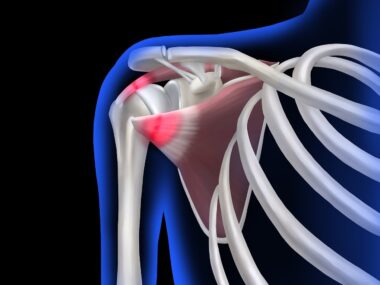

Muscle Activation Timing and Its Impact on Recovery
The timing of muscle activation plays a crucial role in recovery from any injury or intense workout. When muscles are activated at appropriate intervals during rehabilitation, recovery can be accelerated significantly. Muscle Activation Techniques (MAT) focus on restoring the proper function of muscles and addressing movement deficiencies. This emphasis on timing is essential because it can be the difference between a swift return to leading an active lifestyle and prolonged recovery periods. Emphasizing the timing of muscle activation means practitioners are looking to pinpoint when certain muscles should engage for optimal performance and healing. Therefore, understanding each muscle’s recovery patterns allows for tailored rehabilitation approaches. Different muscles not only have variable recovery times but also different activation needs between sessions. Relying on subjective feelings can lead to inconsistency, making it vital to adopt objective measures to assess muscle activation. Consequently, athletes and trainers alike benefit from deeper insights into how timing affects muscle recovery, ensuring targeted strategies for optimal results. In essence, focusing on timing not only enhances recovery outcomes but also helps prevent future injuries during physical activities.
Understanding how timing impacts recovery leads to the development of several practices aimed at enhancing rehabilitation outcomes. Regular assessments of muscle activation can provide insight into recovery progress. Incorporating techniques such as stretching, foam rolling, or controlled resistance exercises allows athletes to gauge their activation timing. Furthermore, monitoring muscle response through functional movement assessments can clarify timing-related issues. Optimal muscle activation requires a coordinated approach targeting specific muscle groups. This approach enhances neuromuscular efficiency and ensures a balanced rehabilitation process. Trainers and therapists can identify patterns through tracking advancements or setbacks. Supplements, nutritional protocols, and proper hydration can further support muscle performance and recovery. Using technology for visual feedback, such as motion tracking or biofeedback systems, can prove beneficial. Employing these technologies enhances timing awareness and helps in modifying rehabilitation plans based on real-time assessments. These tools help athletes adjust their training loads and recovery routines. Strategies focusing particularly on recovery timing serve to mitigate injury risks in both professional and recreational settings. Moreover, ensuring that recovery is individualized remains paramount, considering each athlete’s distinctive requirements.
The Role of Muscle Activation Techniques
Muscle Activation Techniques primarily emphasize assessing and correcting muscular imbalances, leading to improved performance during recovery. By understanding precisely when to activate certain muscles, practitioners can inform athletes about their body’s needs more effectively. Current research backs the efficacy of MAT in offering tailored solutions and enhancing muscle functionality. These techniques don’t merely focus on rehabilitation but extend to injury prevention, making them vital in sports medicine. For instance, athletes often face chronic injuries due to poor muscle coordination. Practicing these techniques helps in activating the responsible muscle groups. In turn, this restores their strength and coordination, playing an essential role in seamless movement. This approach is applicable to a variety of sports, catering to individual dynamics in movement patterns. Moreover, employing MAT during recovery can work synergistically with physiotherapy or personal training. Through comprehensive assessments, practitioners can design efficient recovery plans to complement the unique needs and schedules of each athlete. The aim is not just recovery, but a holistic approach focusing on long-term performance and injury prevention. Hence, MAT remains an essential aspect of modern rehabilitation strategies.
Incorporating targeted muscle activation into recovery strategies contributes to athletes’ overall success and efficiency. Muscle activation techniques can be customized according to sports, individual preferences, and injury histories. This individualized approach significantly impacts recovery outcomes, as each athlete responds differently to rehabilitation. Furthermore, the incorporation of feedback mechanisms can enhance the effectiveness of these techniques. For example, employing apps to monitor progress rates, muscles activated, and recovery times helps adjust training loads adequately. It creates a data-driven model assisting athletes and coaches in making informed decisions regarding their rehabilitation. This conscientiousness reflects a shift toward precision in rehabilitative practices. Additionally, the inclusion of stretching or mobility sessions can enhance muscle activation outcomes, optimizing functional capabilities during recovery. Thereby, a holistic strategy combining manual therapy techniques can accelerate muscle performance. Most importantly, precision allows for gradual increases in intensity, ensuring athletes don’t overexert themselves post-recovery. Establishing a structured switching routine aids in re-engaging inactive muscle fibers, proving essential for engaging the entire muscle chain effectively. The ultimate goal remains to encourage full restoration of movement capabilities as safely and efficiently as possible.
Benefits of Proper Muscle Activation Timing
Proper timing in muscle activation leads to numerous benefits during recovery, as it substantially aids in boosting treatment efficiency. For instance, ensuring the correct timing can lower the chances of muscle atrophy, retaining strength levels while recuperating. This retention is vital for athletes returning to their rigorous routines. Furthermore, proper timing also enhances cardiovascular responses, promoting better circulation to injured areas during recovery. Improved circulation aides in the delivery of oxygen and nutrients, accelerating overall healing processes. Moreover, strategically timed activations prevent muscle guarding, wherein muscles contract to protect an injury. Thus, it reduces discomfort while enhancing mobility. Regular application of these techniques can mitigate the frequency of recurrent injuries, primarily those related to muscle imbalance. It also helps incorporate crossing training methods for improving muscle resilience over time. Consistency enhances the body’s adaptation to various loads and conditions in sport. By working on muscle coordination through timing adjustments, athletes can regain confidence, especially in performing sport-specific tasks. Emphasizing workload progression aligns with best practices, optimizing performance gains while reducing injury risk significantly. Evaluating and refining these timings enhances long-term athletic longevity.
As athletes recuperate, ongoing education on muscle activation remains essential to refine recovery strategies continually. Trainers and therapists should always seek knowledge on the latest advancements in muscle activation techniques. Staying updated ensures optimal implementation, protecting against potential injuries during exercise. Workshops and seminars can be instrumental in bridging gaps in knowledge and practical application. Continuing education also empowers sports professionals to design effective programs, accommodating varied needs across different athletes. Incorporating evidence-based practices lays the foundation for quality rehabilitation standards. Moreover, encouragement and feedback loops between athletes and practitioners further promote engagement during recovery. Peer support groups and rehabilitation programs can also foster shared experiences. These interactions help reinforce accountability while sustaining motivation, maintaining a positive environment. In addition, athletes ought to readily engage in self-monitoring strategies. Utilizing mobile applications or wearables enhances real-time data tracking related to muscle activation, ensuring adherence to protocols. With insight-driven practices, athletes begin to responsibly customize their own training. The overall integration within a team setting strengthens the rehabilitation culture, ensuring all personnel are informed in regard to innovations, best practices, and guidelines associated with muscle activation timing.
Conclusion
In summation, muscle activation techniques and proper muscle activation timing are paramount in efficient rehabilitation and injury prevention strategies. The careful consideration of when to activate specific muscles aids significantly in recovery while providing holistic approaches tailored to individual needs. By understanding optimal timing, athletes can experience reductions in recovery durations, enhanced strength, improved performance, and a reduced risk of re-injury. Rehabilitation must encompass more than simple exercises; it should be approached through individualized strategies that embrace both physical and psychological aspects of healing. By employing the latest research in muscle activation and actively utilizing technology, facilitators can help guide athletes effectively through their rehabilitation journey. In conclusion, prioritizing muscle activation timing not only influences recovery outcomes but forms the foundation for lifelong athletic success. Consequently, sports professionals are encouraged to embrace these techniques for better efficiency and effectiveness within their recovery frameworks. Optimizing muscle activation will benefit recovery timelines and facilitate the transition back into competitive environments. The aim is always to possess the physicality necessary for both performance and longevity as athletes pursue their goals.
In summary, embracing muscle activation techniques ensures a comprehensive understanding of the influence of muscle timing around recovery sessions. Proper planning, consistent assessments, and education empower both athletes and trainers in fostering environments conducive to long-term success.