
Best Fitness Apps Featuring Virtual Reality Workouts for Travelers
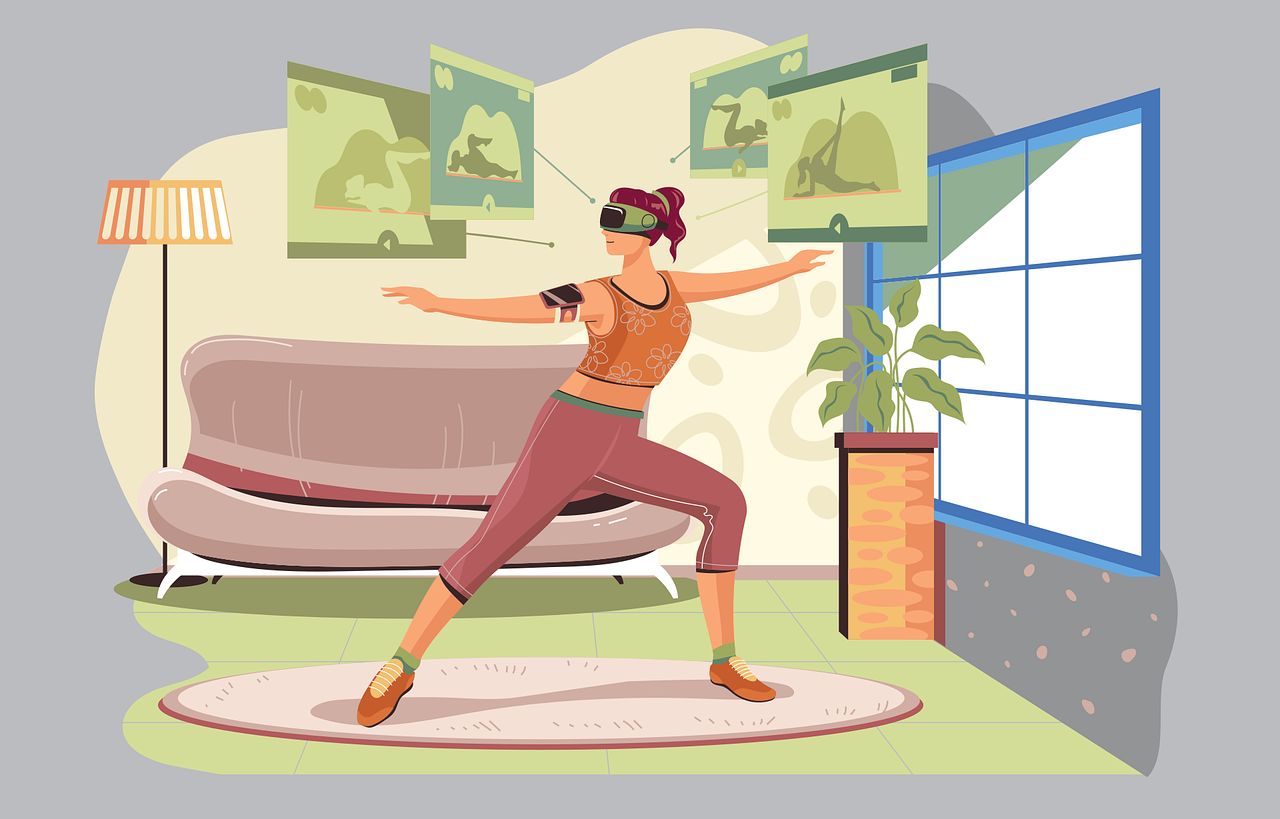
Fitness apps have revolutionized how travelers maintain their fitness while on the go. The inclusion of virtual reality (VR) technology has allowed users to immerse themselves in workouts that can transport them beyond their physical location. No longer confined to a standard gym environment, users can experience various workout styles, including yoga, boxing, and high-intensity interval training (HIIT). Some apps provide scenic locations or unique settings that can motivate users to engage more actively in their routines. Integrating VR technology into fitness apps enhances enjoyment, helping travelers keep their fitness journey exciting. A study indicated that immersive experiences can lead to longer workout durations and improved motivation. Many apps are designed for easy access and use, allowing users to generate customized workouts efficiently. Moreover, the collaborative aspects of these apps allow friends to potentially join in from anywhere around the world, fostering a sense of community despite geographical distances. As demand rises for innovative fitness solutions, VR workouts will likely become a staple in travel-friendly fitness apps.
Top Features of Fitness Apps with VR
When exploring fitness apps featuring virtual reality workouts, several key features stand out. Firstly, user interface accessibility is crucial for an enjoyable experience. A clean and intuitive layout makes it simple to navigate options for various workouts, making fitness appealing. Secondly, personalized workout plans cater to individuals’ fitness levels and goals. These plans often consider users’ preferences, including workout duration and intensity, ensuring the experience is both satisfying and beneficial. Thirdly, quality of VR environments matters significantly. The more engaging and immersive the visuals, the more likely users are to stay motivated. High-definition landscapes or urban settings drastically improve the motivational aspect of exercising. Additionally, classes led by professional trainers enhance the credibility and effectiveness of fitness apps. Engaging with a trainer through VR promotes proper technique and guidance, which is essential for new users. Lastly, social features allow users to connect with friends or other fitness enthusiasts, creating a team environment. Collaborative challenges, shared achievements, and even live classes significantly boost overall engagement, making workouts fun and community-oriented.
The technology behind VR fitness apps is also quite impressive. Advanced algorithms now allow for real-time response to user movements, ensuring workouts replicate real-life environments. Many apps analyze performance data, tracking metrics like heart rate and calories burned. Users can gain valuable insights, helping them improve their routines. These insights foster healthy competition among users, either against themselves or others within the app’s community. Incorporating gamification elements further enhances the allure, making workouts feel like an engaging game rather than a chore. Diverse workout options cater to any interest, be it martial arts, dancing, or cycling. Some apps even feature virtual competitions against global users, adding a thrilling edge to personal fitness journeys. For travelers, such features make the prospect of working out while away from home less daunting, as it connects them with familiar activities or introduces new ones. Developers continuously update experiences, incorporating user feedback to enhance comfort and functionality. This iterative process increases users’ commitment to fitness and ensures sustained engagement with the app over time.
Popular VR Fitness Apps for Travelers
Among the top virtual reality fitness apps available, Supernatural stands out with its extensive library of immersive workouts set in stunning virtual landscapes. The app offers tailored fitness experiences, making users feel like they’re training in tropical islands or serene mountains. Another popular option is BoxVR, which combines boxing with an exhilarating VR workout that gets the heart pumping. It features curated playlists and dynamic environments that keep users engaged and eager for more. FitXR is notable for its wide variety of classes, incorporating both high-energy and mindfulness sessions. With its community-building features, it promotes friendly competition among users, driving motivation. Additionally, Oculus Move provides excellent integration with Oculus headsets, allowing users to set personal fitness goals and track their progress efficiently in a gamified environment. Moreover, Holofit delivers immersive fitness experiences using cycling or rowing machines, simulating various terrains and challenges. Compatibility with different platforms ensures that users can access these fitness solutions regardless of their location, truly making it perfect for travelers.
Using these apps provides many benefits for fitness enthusiasts on the go. One of the most significant advantages is convenience; travelers can maintain their routines without needing gym memberships or equipment. Instead, having the right headset and app can transform any space into a workout area. Whether in a hotel room or a scenic outdoor location, users can adapt their fitness sessions to their surroundings. This flexibility keeps workouts fresh and exciting, ensuring they do not feel monotonous. Moreover, the social aspect of many VR fitness apps helps users stay accountable to their fitness goals. Competing with friends or participating in community challenges promotes commitment. Additionally, immersive experiences can ease the mental barriers often associated with exercising in new places. Users may feel more comfortable engaging with fitness apps that feel familiar. With the added element of enjoyment in VR environments, travelers are more likely to stick to their routines, ultimately benefiting their physical and mental health. In essence, integrating virtual reality technology into fitness helps keep travelers engaged.
Tips for Effective Workouts with VR Fitness Apps
To maximize the effectiveness of workouts using VR fitness apps, users must consider some key tips. First and foremost, consistency is essential; committing to a regular schedule can greatly enhance results. Everyone’s body responds differently to fitness routines, so tracking progress regularly can help users find what works best for them. Setting achievable goals helps maintain motivation and prevent burnout or frustration. Additionally, ensuring users have ample space to perform workouts safely is crucial. Clear surroundings will promote a safe and effective experience when using VR devices. Another vital aspect is hydration; users must drink sufficient water before, during, and after workouts to maintain proper performance levels. Incorporating a warm-up routine can help prevent injuries during high-impact activities. Seeking variety within workout choices ensures that the experience remains engaging. Users can experiment with different workout types, changing their intensity and duration to prevent monotony. Moreover, taking breaks when necessary is essential for recovery and to avoid fatigue. Engaging with VR fitness apps should be a positive experience enhancing overall fitness while nurturing a healthy lifestyle.
Furthermore, users should not hesitate to explore the community features of these apps. Engaging with fellow users fosters a collaborative environment that often enhances motivation. Participating in community challenges or events can promote friendly competition while keeping workouts exciting and fun. Feedback and support can also be valuable in sustaining a user’s journey, allowing them to share successes and setbacks. Since many apps offer live classes, trying a session with a professional trainer can provide users with additional insights. This can be especially useful for beginners looking to improve their technique and understanding of correct forms. In addition, many apps are continually evolving, so staying updated on new features can keep the user experience fresh. It also allows for exploring new workouts, equipment, or environments they might not have tried otherwise. Travelers should consider integrating some mindfulness or recovery sessions within their routines. Experiences focused on meditation, stretching, or breathing exercises create balance within a comprehensive fitness regimen. Integrating these aspects leads to a well-rounded approach to health and wellness.
Conclusion: The Future of VR Fitness for Travelers
As technology advances, the future of virtual reality fitness for travelers looks very promising. Fitness apps are likely to become even more immersive and personalized, adopting further advancements in artificial intelligence and machine learning. This evolution will allow apps to adapt to users’ habits, preferences, and goals. The growing emphasis on holistic wellness will also see users integrating mental and physical health aspects into fitness routines. This trend, combined with heightened community engagement features, will continue to facilitate user collaboration, building connections worldwide. Moreover, as fitness technology continues to integrate seamlessly with daily lifestyles, the barriers that prevent travelers from working out are likely to diminish. Specialists in health and wellness predict an increase in customized fitness environments through social VR platforms. Ultimately, this advance will enhance users’ experiences and redefine travel fitness. Innovations in movement tracking and feedback will further motivate users to engage with fitness apps during travel. Consequently, fitness enthusiasts can expect to see vast improvements in user experience and engagement. For travelers, the prospect of enjoying fitness sessions while experiencing new cultures will enhance their journeys significantly.