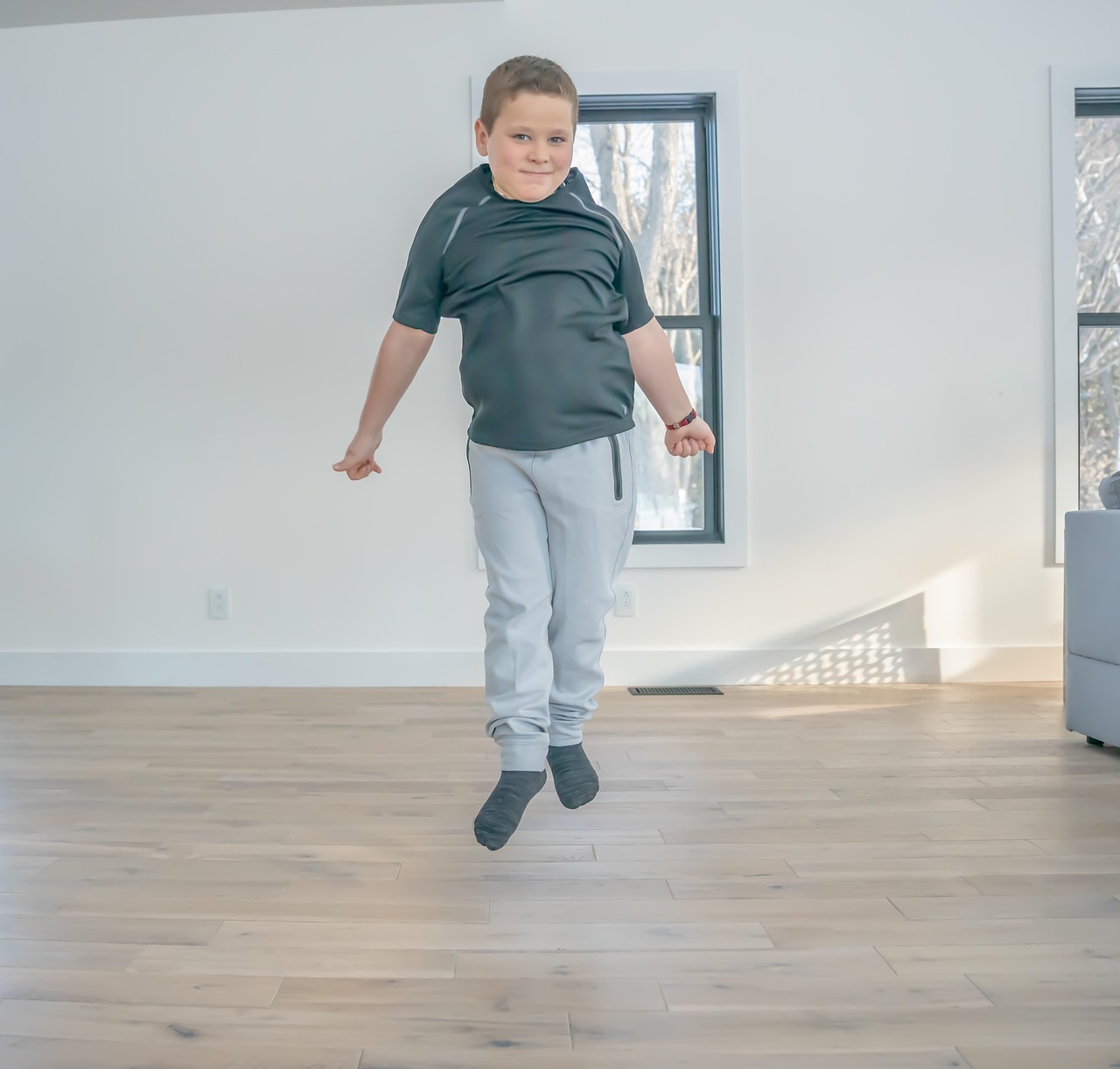

Understanding the Importance of Rest and Recovery in Youth Fitness
Rest and recovery hold significant importance in youth fitness programs as they help improve overall health and performance. Young athletes often push their limits without understanding the necessity of adequate rest. This can lead to fatigue, burnout, and even injuries that can hinder their physical development. Rest is essential for muscle repair and growth, allowing young bodies to recuperate after intense workouts. Engaging in heavy physical activity without rest can yield negative consequences that may extend beyond the gym. Recovering adequately aids the improvement of strength, endurance, and flexibility because the body uses this time to rebuild and enhance its performance capabilities. Additionally, mental recovery cannot be ignored. Constantly pushing limits may generate stress and mental fatigue, affecting motivation levels. Thus, proper recovery techniques should be integral components of children’s fitness programs. Seeking guidance from fitness professionals can considerably aid in creating a balanced program that emphasizes rest just as much as activity. Understanding this balance fosters a healthier approach to fitness among youth, ensuring they enjoy their activities while still maximizing their progress in a safe, efficient way.
Throughout their development, young individuals often face heightened expectations for performance in various sports and activities. While competitive spirit is commendable, ensuring that youth understand the value of rest and recovery is crucial. During the growth phase, young bodies undergo numerous changes; leaving no time for adequate rest can lead to serious issues such as overuse injuries or chronic fatigue. Furthermore, scheduling specific rest days into any fitness plan serves to balance strenuous workout routines. For example, a program focusing on strength building should interlace rest periods that allow muscles to recover adequately. Nutrition further complements the recovery process, as the right fuel aids in replenishing energy reserves post-workout. Encouraging children to consume a balanced diet that includes protein, carbohydrates, and healthy fats plays a role in effective recovery. In addition, staying hydrated during workouts and throughout the day is critical. Adequate water intake ensures efficient metabolic processes. Thus, rest, nutrition, and hydration together create the foundation necessary for effective youth fitness programs, allowing kids to thrive in their physical pursuits while maintaining their passion for sports and health.
Physical Recovery Techniques
Youth fitness programs should integrate various techniques that promote physical recovery. Techniques such as stretching, foam rolling, and active recovery sessions help to alleviate muscle soreness and enhance flexibility. Stretching, both static and dynamic, prepares muscles for activity and improves the range of motion, thereby reducing the risk of injuries. Encouraging young athletes to incorporate foam rolling into their routine can be beneficial as it aids in muscle recovery by releasing tightness and alleviating soreness. Active recovery, which involves low-intensity activities like walking or swimming, can help in boosting blood circulation without adding stress to fatigued muscles. Engaging in relaxation techniques, such as yoga and deep breathing, also contributes to overall physical recovery. These practices not only alleviate muscle tension but also promote mental relaxation, providing a holistic approach to recovery. Regularly incorporating these techniques into kids’ fitness routines can facilitate a better understanding of their bodies, empowering them to take responsibility for their recovery. Hence, emphasizing physical recovery will positively influence their fitness journey, making them not just more effective athletes but also healthier individuals in general.
Equally important is the role of sleep in the recovery process for youth athletes. Sleep serves as the body’s natural recovery system, allowing vital physiological processes to occur primarily at night. During sleep, growth hormone is released, facilitating muscle repair and growth while enhancing cognitive functions important for athletic performance. Insufficient sleep can detrimentally influence physical performance, impairing reaction times and decision-making abilities during sports. For younger athletes, it is typically recommended to have at least 9 to 11 hours of sleep per night depending on their age. Parents and coaches can play crucial roles in fostering healthy sleep habits, ensuring young athletes prioritize restorative sleep as part of their recovery protocols. Creating a regular sleep schedule, minimizing screen time before bed, and establishing a calming pre-sleep routine are effective strategies. In doing so, we build a foundation for athletes to perform at their best. Furthermore, understanding the critical role sleep plays in recovery empowers children to value rest as they do physical training. Adopting these practices will set the stage for a lifelong appreciation of the importance of sleep in health, especially regarding physical performance.
Mental Recovery’s Importance
The significance of mental recovery within youth fitness cannot be overlooked. Children and adolescents often face immense pressure to perform, be it in sports or academics. This pressure can lead to high-stress levels, which, if not addressed, can detract from their enjoyment of physical activities. Thus, integrating mental recovery strategies such as mindfulness, relaxation exercises, and mental breaks is essential. Practicing mindfulness helps young athletes increase self-awareness, enabling them to manage stress and enhance their focus on performance. Additionally, relaxation exercises such as visualization techniques can help relieve tension and foster positive mental states conducive to athletic performance. Encouraging kids to take mental breaks during training or competition can help rejuvenate their minds, ensuring they are not mentally fatigued. Involving parents and coaches in promoting mental recovery within youth fitness programs creates supportive environments that encourage open conversations about stress and mental health. Ultimately, when young athletes learn to prioritize their mental well-being alongside physical training, it leads to healthier relationships with sports and fitness, promoting overall enjoyment throughout their athletic careers.
Another vital aspect of youth fitness recovery involves understanding the signs of fatigue and overtraining. Young athletes often lack the ability to identify when their bodies need a break, potentially leading to injuries or burnout. Educating them on recognizing fatigue indicators, such as reduced performance, persistent soreness, and changes in mood, is essential for promoting self-awareness. Providing a platform for young athletes to express their feelings regarding fatigue is crucial. Coaches and parents must remain vigilant for signs of overtraining, which can manifest physically and emotionally. Creating an open dialogue allows kids to feel supported when they communicate their need for rest. Rest periods should be incorporated into training schedules, respecting the importance of recovery in enhancing long-term performance. Further, varying training intensities helps prevent burnout while increasing motivation by keeping sessions exciting. Engaging youth in discussions about setting realistic goals and understanding their personal limits nurtures a long-term appreciation for fitness, ensuring they remain active and healthy throughout their lives. Teaching these principles will create informed individuals capable of listening to their bodies, leading to sustainable sports participation.
Conclusion
Emphasizing rest and recovery is essential to fosteringhealthy long-term habits in youth fitness. As young individuals become active participants in various sports and fitness programs, integrating structured recovery techniques enhances their overall experience and promotes a lifetime appreciation for health and fitness. Remembering that children are still growing, building a solid foundation for optimal recovery is vital. This includes encouraging adequate sleep, teaching about nutrition, allowing for regular physical recovery techniques, and emphasizing the importance of mental recovery. Consequently, young athletes often excel when parents and coaches prioritize holistic approaches that nurture both their physical and mental well-being. The lessons learned about the importance of rest and recovery during youth will not only aid in their athletic performance but also set the stage for healthy behaviors in adulthood. By supporting and valuing recovery time as much as training, children develop healthier attitudes toward their fitness journeys. Therefore, creating environments that prioritize physical and mental recovery ensures active, engaged youth who enjoy their sports and fitness endeavors. This holistic approach ultimately leads to improved outcomes across all aspects of their growth, engagement, and enthusiasm for long-lasting physical fitness.