
Tips for Shooting in Blizzards and Harsh Weather Conditions
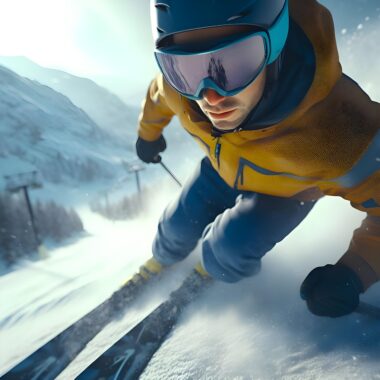
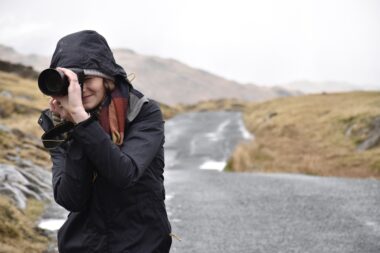
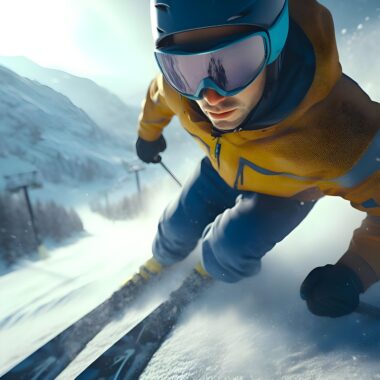
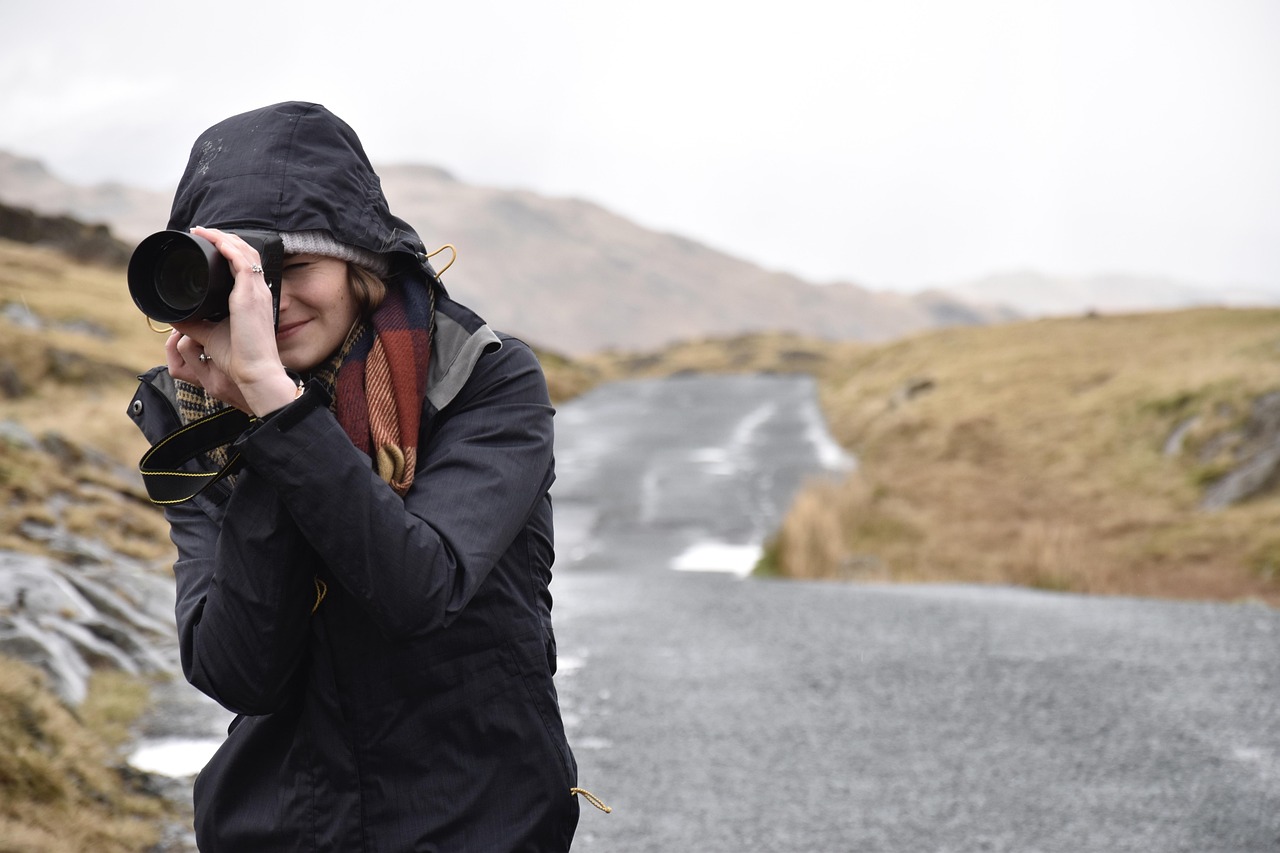
Shooting in blizzards and harsh winter conditions presents unique challenges for photographers. First, ensure you are equipped with the right gear. This means using weather-sealed camera bodies and lenses that can withstand rain and snow. Additional protective gear includes lens hoods to prevent snow from settling on your lens and rain covers to shield your camera. A sturdy tripod is essential for steadiness in windy conditions, while hand warmers can help keep your fingers nimble. You must also pay attention to your camera settings. Lower light levels demand higher ISO settings, but be cautious of noise in your images. Adjust the shutter speed to freeze motion effectively, especially if photographing fast-moving subjects like skiing or snowboarding. Consider using manual mode to maintain complete control over exposure. Lastly, don’t forget to check your battery levels. Cold weather drains batteries quickly, so carry spares and keep them warm. This attention to detail will ensure that you capture stunning images despite the difficulties posed by blizzards and harsh weather. Stay safe, and enjoy the rewarding experience of winter sports photography!
Adapting to the Environment
When shooting in severe winter conditions, adapting to the environment becomes crucial for optimal photography. First, take note of the lighting conditions, as winter light can be strikingly different from other seasons. Embrace overcast days, which can create soft diffused light, perfect for capturing snow. Alternatively, shooting during golden hour can provide warm highlights against the cold backdrop. Timing your shoot is essential. Early mornings and late afternoons often yield the most dynamic and evocative images. Additionally, pay attention to the weather report; a snowstorm can provide dramatic backdrops while limiting visibility. It’s essential to protect yourself from the cold as well. Layer up with thermal clothing, waterproof outer layers, and insulated boots to remain comfortable during your shoot. Staying in one location too long can lead to frostbite and discomfort. Maintain movement throughout your shoot, allowing you to frame different perspectives carefully and respond to changing conditions. Lastly, scouting locations beforehand is highly advantageous. Familiarizing yourself with the terrain can help in deciding the best angles and compositions for your shots.
Utilizing composition techniques effectively when photographing winter sports enhances visual storytelling. Begin by seeking leading lines in the landscape, such as tracks left behind by skiers or natural lines formed by trees and mountains. These elements guide the viewer’s eye and emphasize depth in your images. Additionally, consider framing your subjects using natural elements, with mountains or snow-covered trees serving as borders. This technique adds context and could bolster the visual appeal of your photographs. Experiment with various angles, whether shooting from above to capture the expanse of a slope or getting low to highlight the athlete’s motion. Capturing movement is vital in winter sports photography, so maintain a continuous shooting mode to ensure you get the decisive moment. Don’t shy away from including foreground elements, like snowflakes or branches, for added depth and richness to the frame. Using the rule of thirds will help highlight your main subjects while providing a balanced composition overall. Lastly, be patient; sometimes the perfect shot requires waiting for just the right moment to unfold.
Post-Processing for Winter Shots
Post-processing plays a significant role in enhancing winter sports photographs, allowing you to make adjustments that elevate your images significantly. Begin by correcting white balance, as snowy scenes can often present cool tones that may require warming. Adjust exposure settings to bring out details in both highlights and shadows without losing important textures. Carefully consider contrast to emphasize the iridescent quality of snow against darker subjects. Utilize selective editing tools to enhance the main subjects or modify the background, ensuring a clearer focus on athletes or specific action. Don’t forget to sharpen your images subtly to make them pop but avoid over-sharpening, which can detract from the natural beauty of your results. It’s also advisable to enhance colors slightly for vibrancy, creating an inviting and engaging visual experience. Cropping can further refine the storyline of your image, focusing on the key elements you aim to highlight. Lastly, consider applying a subtle vignette effect to draw attention to your focal point, creating a stronger emotional connection between the viewer and the subject.
Finding unique perspectives in winter sports photography often separates average shots from truly remarkable ones. First, consider the vantage points from which you shoot. Elevated positions, such as mountain ridges or ski lift platforms, provide a broader view of the action below. Alternatively, shooting at eye level lets you connect intimately with the athletes, showcasing their determination and skill. Telephoto lenses can capture distant actions while allowing for tight framing that isolates subjects amidst expansive snowy landscapes. Another innovative technique is to use reflections; seeking out puddles or icy surfaces can create stunning visual layers in your images. Additionally, experimenting with slow shutter speeds can produce breathtaking motion blur effects that convey speed and energy. Sliding seamlessly into different creative styles keeps your photography fresh and engaging. Always remember to balance your interests with the conditions around you. The changing light and weather may inspire spontaneous changes in your compositions. Be open to capturing unexpected moments, truly reflecting the exhilarating nature of winter sports!
Safety and Preparation in Winter Conditions
Safety should always be the priority when working in harsh winter conditions while photographing sports. Proper preparation is essential to ensure personal safety and the well-being of those you are capturing. Begin by assessing the environment for potential hazards, such as avalanches, ice patches, or poor visibility. Always inform someone of your location and estimated return time before heading into remote areas. Equip yourself with essential survival gear, including a first aid kit, navigation tools, and food supplies. Dress in layers to maintain body heat and moisture management. Wearing insulated, waterproof gear will also help keep you comfortable during long hours in freezing temperatures. Keep your equipment secure from elements; use waterproof bags for your camera gear and multiple lens covers for unforeseen weather changes. Understanding how to manage your batteries in the cold is also crucial. Keeping them near your body can help prevent rapid draining. Be vigilant and monitor fatigue levels; cold can exacerbate exhaustion. Taking regular breaks allows you to recharge before diving back into capturing stunning sports moments!
Lastly, developing a unique style in winter sports photography comes from combining technical skills and personal expression. Reflecting your artistic vision through your images is essential in setting yourself apart from other photographers. Experiment with different techniques and approaches while remaining authentic to your personal aesthetic. Try integrating various photographic elements that resonate with you, whether vibrant colors, dramatic contrasts, or minimalist compositions. Over time, find comfort in selecting particular themes or subjects that motivate your work. Engaging with other photographers in winter sports communities can inspire new ideas and enhance your knowledge base through shared experiences. Regularly evaluate your work by reviewing past projects and determining what resonates with your vision. Online portfolios can showcase your growth and unique perspective effectively while connecting you with potential clients or sponsors. Lastly, be patient with your creative process; developing a distinct style takes time, persistence, and a willingness to embrace failure as part of success. Embrace opportunities to learn and continue evolving as a photographer!
Conclusion
Winter sports photography challenges photographers with glorious opportunities to capture unique moments. By being prepared and adapting to rapidly changing environments, using effective compositional techniques, and practicing post-processing, photographers can take stunning images amidst blizzards and harsh conditions. Additionally, the safety and well-being of both you and your subjects should remain paramount in your practice. Every photo taken is a chance to tell a compelling story or show breathtaking beauty through your lens, so make each click count. Focus on growing your style, maintaining passion, and viewing each new snow-filled day as an invitation for fresh opportunities and inspiration.