
Top 10 Tips for Building Your Own Custom Bike
Building your own custom bike can be a deeply rewarding experience, allowing you to tailor every aspect to fit your preferences. The first step is to clarify your goals for the bike: do you want it for racing, touring, or casual riding? Understanding your primary purpose helps in selecting the right components. Next, do your research on different bike frames, materials, and geometries to find one that matches your desired riding style. It’s essential to choose the right size frame to ensure comfort and efficient performance. Additionally, consider what type of brakes you prefer: disc or rim. Each has its strengths and is more suitable for certain conditions. Once you have your frame and brakes, think about the wheel size. Larger wheels can provide better roll-over ability on obstacles, while smaller wheels offer better maneuverability. Another crucial element is the drivetrain, which affects your bike’s efficiency and responsiveness. Research different groupsets, and choose one that fits your budget. Finally, don’t forget about finishing touches like handlebars, grips, and pedals. These accessories greatly influence your riding comfort and style.
Choosing the right components is essential for a successful custom bike build. You should focus on parts that enhance performance while staying within your budget. Start by looking into high-quality tires that suit your cycling needs, whether they be for gravel, road, or all-terrain. Remember that tires have a significant impact on both grip and ride comfort. Next, you should select a suitable drivetrain that aligns well with your riding type. For those who frequently climb, consider investing in a higher gear ratio to optimize your pace on inclines. Once you’ve decided on the drivetrain, focus on your bike’s suspension system if you plan on off-roading. Full-suspension bikes offer a smoother ride over rough terrain, while hardtails are generally lighter and less expensive. Now, when it comes to aesthetics, select a color or design that suits your personality. Custom paint jobs or graphics can make your bike unique and personal. Don’t overlook the importance of proper tools for assembly. A good set of bike tools will ensure your build process goes smoothly and efficiently. Lastly, always read reviews and seek advice from other cyclists to gain insights on the latest components.
Essential Tools for Building Your Custom Bike
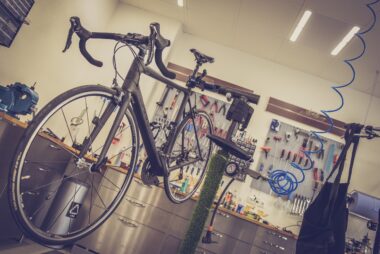
Having the right tools is crucial for a successful custom bike build. First, consider investing in a quality bike stand that allows you to work hands-free, making your assembly process smoother. Other necessary tools include a set of wrenches, screwdrivers, and pliers. These tools will help you assemble and adjust various components securely. You will also need a tire lever to help with tire changes and a pump to inflate your tires. Make sure that you have a torque wrench, as it’s important to apply the correct tension on bolts to ensure safety and performance. Additionally, having a multi-tool can be handy for quick adjustments while riding. Don’t forget about cleaning supplies, like bike-specific degreasers and lubricants, to keep your new bike in top condition. Having a comprehensive bike tool kit will save you time and frustration during your build. Research which tools are most recommended by professionals and experienced builders to make the best purchase decisions. Proper maintenance tools will also ensure your bike continues to perform well long after it has been built. Keeping your tools organized is equally important for a hassle-free workspace.
Another critical consideration is the sourcing of your bike parts. You can either purchase new components, which often come with warranties, or consider buying used parts for significant savings. Online marketplaces and local bike shops can provide a wide range of options, allowing you to find parts at different price points. Look for reputable retailers with good customer reviews to ensure quality. If you choose to go the used route, inspect parts thoroughly to assess their condition and usability. Check for wear and tear, especially on components like the frame, wheels, and drivetrain. Additionally, seek out manufacturer specifications to confirm compatibility between parts. Custom bike builds offer great flexibility when part sourcing, but maintaining compatibility is crucial to avoid future problems. Another effective method for obtaining necessary components is to join cycling forums or local clubs, where members often trade or sell parts. These communities can be invaluable resources for tips, advice, and parts sourcing. Before making any purchases, create a detailed list of all necessary components to avoid last-minute rushes and ensure a well-organized building process.
Understanding Bike Geometry
A key aspect of custom bike building is understanding bike geometry. Proper geometry affects handling, comfort, and overall ride quality. When selecting a frame, pay attention to the top tube length, seat tube angle, and head tube angle. These measurements will influence your riding position and how the bike handles at various speeds. A slacker head tube angle typically provides better stability, while steeper angles offer improved maneuverability. It’s essential to find a balance that suits your style of riding. Additionally, the distance between the wheel axles, known as the wheelbase, can influence how well the bike how advantages of different geometries play into your performance. For example, longer wheelbases often allow for greater stability on rough terrain, while shorter ones make for more agile handling. Test riding different models can help to determine what works best for you. Also, consider how the bike’s geometry affects rider fatigue over longer rides, as comfort becomes crucial when you’re out on longer journeys. Your choice should blend performance with comfort for a better overall riding experience.
Don’t underestimate the importance of adjusting your bike as you build it. Getting familiar with the components and how they work together will enable you to make adjustments efficiently. Start by ensuring your brakes are properly aligned and functioning before moving on to the shifting system. Adjust your derailleurs for seamless gear shifting; take your time, as this can greatly influence your riding experience. As you progress, ensure your handlebars, saddle height, and seat position are adjusted to your preference. An appropriate saddle position can help prevent discomfort during rides. Additionally, consider installing bar tape that suits your grip preference and provides comfort while riding. After adjustments, take your bike for a test ride around your neighborhood. Check all components for flaws or adjustment needs and fine-tune them accordingly. Incorporating professional fitting services may also be beneficial, as they can provide personalized advice on the perfect fit based on your unique body measurements and riding style. Always remember that a properly adjusted bike leads to improved performance and enjoyable riding experiences.
Finishing Touches for Your Custom Bike
Once your custom bike is fully built and adjusted, it’s time to focus on those finishing touches that can elevate both the performance and aesthetics of your ride. Start with accessories such as lights and a sturdy bike lock to enhance safety during your rides. Customize your bike with a unique bell or horn to express your personality. Consider adding a comfortable saddle that accommodates your riding style—this is essential for longer rides. Additionally, practical features like fenders to protect from mud and rain can enhance your riding experience greatly. Putting a frame bag or a basket can make your bike more functional for grocery trips or commuting. Custom decals, artwork, or paint jobs can also reflect your personality. Don’t forget to look into stylish and effective footwear suited for the type of biking you do. A high-quality hydration system, like a bottle holder, keeps you hydrated. Each accessory adds practicality while making your bike stand out. As you ride your newly built bike, enjoy and share the experience with the cycling community.
Finally, regularly maintaining your new custom bike is crucial for long-term performance and durability. Implement a routine that includes cleaning your bike after each ride to remove dirt and grime. This practice will prolong the life of the components and ensure they function correctly. Regularly inspect your bike for any signs of wear, paying particular attention to tires, brakes, and the chain. Lubricating your chain frequently is essential as it improves shifting and overall efficiency. Don’t hesitate to visit your local bike shop for professional tune-ups periodically. Depending on usage, you might need it once a year or more frequently. Monitoring brake pads for wear will enhance your stopping power significantly and keep you safe on the road. Another critical factor to consider is tire pressure. Regularly check this to optimize control and speed. Storing your bike properly also plays a significant role in its upkeep. Avoid prolonged exposure to extreme temperatures and moisture. Finally, keep a maintenance log to track parts replaced. Being proactive about care will enable enjoyable rides and will extend the lifespan of your custom bike.