
Using Pilates Techniques in Kettlebell Cool-Down and Stretching
Kettlebell training, while intense, necessitates effective cool-down and stretching routines to prevent injuries. Incorporating Pilates techniques into these routines provides additional benefits. These techniques emphasize controlled movements and core stability, which enhance recovery and flexibility. When you integrate these techniques into kettlebell cool-downs, you not only enhance muscle relaxation but also improve balance. Pilates focuses on elongating muscles, promoting proper posture, which can combat tightness that results from kettlebell exercises. Moreover, it aids in realigning the body, which is crucial after active kettlebell sessions. In this article, we will explore the most effective Pilates techniques for kettlebell enthusiasts. Some of these techniques include the Hundred, Roll-Up, and Spine Stretch. Each exercise can be modified to accommodate your fitness level, ensuring a holistic approach to recovery. Focusing on breath control, as taught in Pilates, further aids in muscle relaxation during these cool-down sessions. This integration not only provides a physical benefit but also enhances the mental aspect of fitness, allowing practicing athletes to connect with their bodies post-workout.
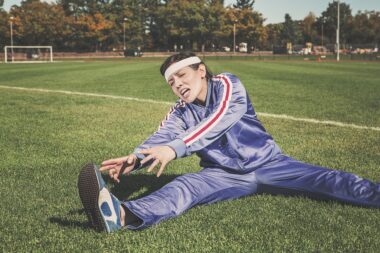
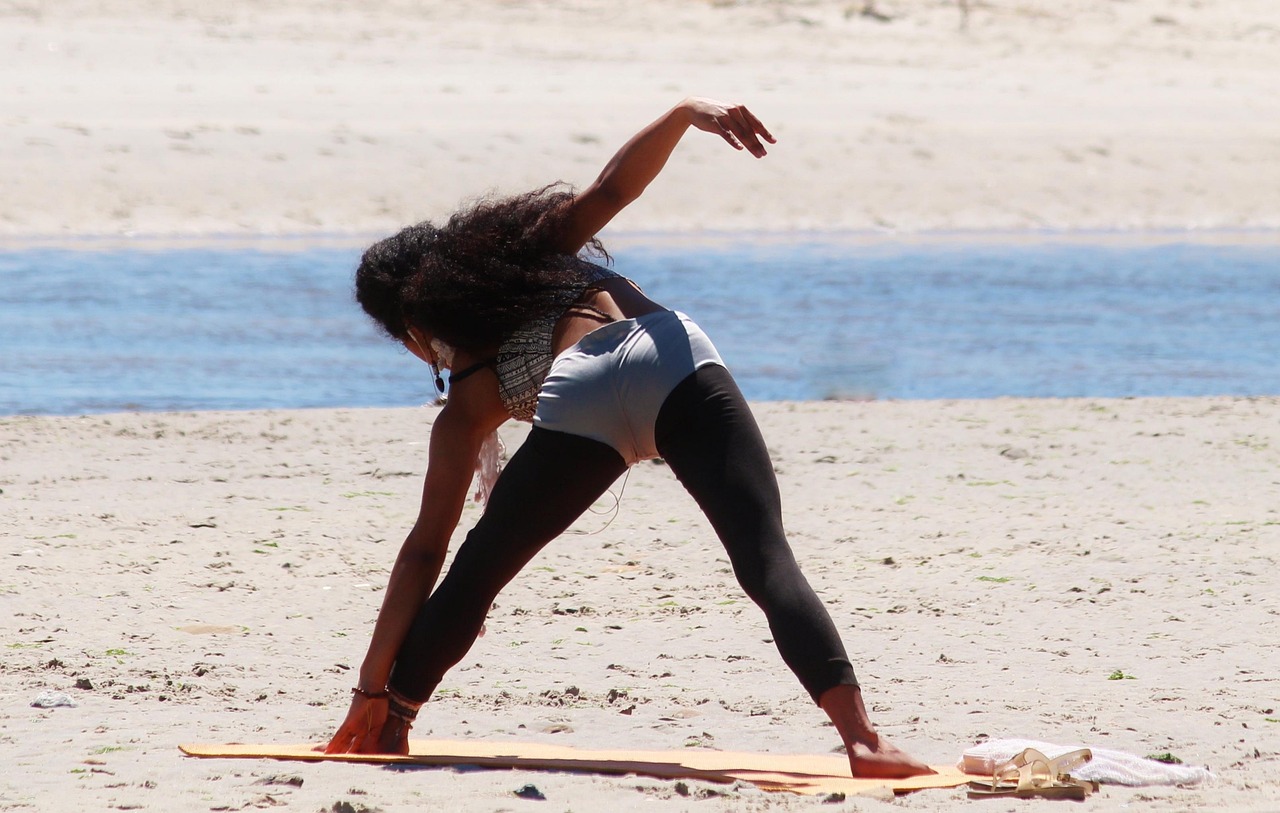
After an intense kettlebell session, it’s essential to target specific muscle groups. Pilates exercises can effectively address muscle tightness. The Cat-Cow stretch, for instance, prepares the spine for deeper stretches. Arranging your cool-down routine effectively can improve overall recovery. Start with gentle movements before progressing into deeper stretches. Engage in a slow, controlled manner, allowing muscles to release tension gradually. Each Pilates move can be held for several breaths, reinforcing relaxation. Additionally, consider adding the Side Lying Series to your routine. This series helps strengthen and stretch the obliques, which can become tight from kettlebell swings and lifts. This particular series includes exercises like the Side Kick and Leg Lifts. Additionally, maintain awareness of your body’s positioning and breath patterns during these exercises. It’s namely the focus on breath that allows for deeper relaxation and muscle engagement in Pilates. Create a space conducive for cooldown in your training area. Equipments like mats enhance comfort. Prioritize hydration after kettlebell workouts, as it is crucial for muscle recovery. In conclusion, implementing Pilates methods can drastically transform your kettlebell cool-down routine.
Benefits of Incorporating Pilates
The integration of Pilates into kettlebell cooldowns presents numerous benefits. Enhanced flexibility is one significant advantage of Pilates stretching techniques. These stretches allow athletes to maintain a wide range of motion in joints. Furthermore, improved posture from consistent practice prevents strain on muscles. This is particularly beneficial after performing heavy lifting exercises. Pilates techniques guide practitioners to engage their core effectively. This engagement not only supports proper lifting form but also aids during cooldowns. Strengthening the core minimizes risk of injury, a crucial factor in kettlebell training. Additionally, Pilates is designed for full-body awareness, promoting mindfulness during movement. During cooldown, this awareness helps in identifying and alleviating areas of tightness. It can also enhance overall athletic performance, ensuring that kettlebell trainees are conditioned to their maximum potential. Regular inline Pilates stretching into your routine also fosters better recovery times. Recovery is often overlooked, yet it is vital for muscle health and ongoing performance. Athletes often note a decrease in soreness. Embracing these techniques can ultimately create a more balanced exercise experience tailored around kettlebell training.
Following a kettlebell workout, prioritize moves that focus on lengthening muscles. The Swan Dive is an excellent Pilates exercise for this purpose. It helps to open up the chest and strengthen the back. This exercise counters rounded shoulders, a common issue from kettlebell training. Incorporating moves like these can promote proper alignment. Alongside the Swan Dive, the Pilates Spine Stretch helps release tightness along the back. This exercise focuses on spinal articulation while keeping the core engaged. It not only stretches but strengthens muscles, enhancing your overall flexibility. Aim to implement these stretches as a part of your cooldown after every kettlebell session. Doing so will empower your body to recover fully while allowing mobility benefits. Explore breathing techniques as well; these techniques maximize the effectiveness of Pilates. Coordinating breath with movement can help ease tension and elevate relaxation. Improve your mind-body connection during workouts. This leads to progressive results over time. Remember, consistency is key for reaping the benefits of Pilates in your cooldown. Make an effort to combine these techniques regularly, and you will likely observe a notable difference in recovery and mobility.
Diverse Kettlebell Cool-Down Techniques
Transitioning from intense kettlebell workouts to cooldown sessions requires diversity in techniques. Pilates offers a variety of cool-down options that fit seamlessly into these segments. Integration of moves can be tailored based on the type of kettlebell exercises performed. For example, if you focus primarily on squats and lunges, prioritize stretches targeting the hips and thighs. Incorporate exercises like the Leg Circle or Open Leg Rocker for effective relief. It’s essential to allow your body to sink deeper into stretches without forcing movement. Working with resistance bands post-kettlebell workouts can also complement Pilates techniques. Resistance bands promote dynamic stretching, providing additional tension to muscle recovery. Always remember to listen to your body during cooldown sessions. While the goal is to recover, forcing movements can lead to injuries. Consistency in applying these methods strengthens muscle memories, steadily enhancing body awareness and flexibility. Utilizing tools such as foam rollers in conjunction with Pilates stretches can significantly assist muscle relief. Use rollers to ease tension prior to completing deeper Pilates moves. Experiment with diverse techniques to discover what works best for your unique needs.
Focusing on breathwork during cooldown is vital to the Pilates method. Proper breathing techniques promote relaxation while enhancing muscle recovery. Aim to incorporate deep, diaphragmatic breaths during each stretch. This action helps circulate oxygen throughout the body, which is essential for recovery post-training. Practice inhaling through the nose, allowing the abdomen to expand, followed by a slow exhale through the mouth. Practice makes perfect; developing this skill enhances performance. While executing moves like the Hamstring Stretch, slow breathing naturally extends the stretch length. Gradually deepen into stretches as you breathe out. This connection of breath and movement can minimize aggressive tension in muscles. Concentrate on your progress over time rather than instantaneous results. Keeping a positive mindset influences the efficiency of your recovery. Always allow sufficient time for cooldown sessions after kettlebell workouts. Rushing through stretches can lead to muscle stiffness and setbacks in your routine. Allocate additional minutes in your cooldown period if necessary, prioritizing your body’s needs. Remember, flexibility is not built overnight; consistency and patience are paramount in achieving optimal results.
Final Thoughts on Pilates Techniques
Integrating Pilates techniques into kettlebell cooldown and stretching routines presents robust benefits. The focus on flexibility, alignment, and strength provides a comprehensive approach to recovery. One key takeaway is understanding the importance of cooldown periods. These periods allow your muscles to emerge from tension built during intense kettlebell training. Remember to prioritize breathwork and mindful engagement with your body during cooldown. Daily practice can lead to significant improvements over time. Whether you are starting kettlebell training or are more advanced, incorporating Pilates can elevate your overall fitness experience. Consider setting aside specific cooldown times after each kettlebell session. Allocate at least 10-15 minutes to focus on these techniques to really grasp their benefits. The cumulative effects of consistent practice will likely amplify your training results and overall wellness. As you journey in kettlebell training, peruse various Pilates techniques that resonate with you. Create a personalized cooldown routine utilizing your favorites for optimal effectiveness. Ultimately, the balance of vigorous activity and restorative practices is essential for lasting fitness success. Embrace this integration to ensure a healthier, stronger future in your kettlebell journey.