
Breathing Exercises to Alleviate Prenatal Lower Back Pain
During pregnancy, many women experience lower back pain due to various physical changes. One effective way to alleviate this discomfort is through proper breathing techniques. These techniques can help reduce tension in the lower back and improve overall circulation. By focusing on breath control, pregnant women can engage their core muscles and promote relaxation. Moreover, practicing these exercises can help enhance oxygen flow to the baby. To begin, find a comfortable seated position or lie down on your side. Inhale deeply through your nose, allowing your abdomen to expand, and then exhale slowly through your mouth. The key is to practice this regularly, aiming for a minimum of ten minutes each day. It can be beneficial to incorporate visualization, imagining the breath flowing in and out, easing any tension along the way. In addition to breathing, gentle stretching can also significantly support back relief. Remember to always consult your healthcare provider before beginning any new exercise routine during pregnancy. Doing so ensures both comfort and safety for you and your baby.
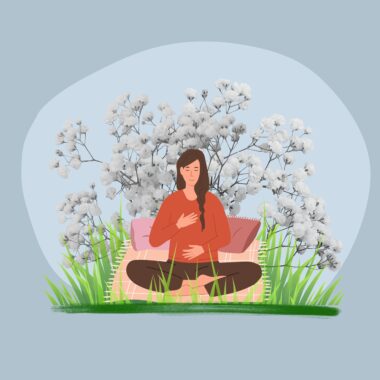
Incorporating breathing techniques into a prenatal exercise routine can significantly assist in decreasing lower back pain. By focusing on how we breathe, we can enhance our mobility and flexibility. One effective method involves diaphragmatic breathing, which encourages full oxygen exchange. To practice this, lie down comfortably and place a pillow under your knees. Take a deep breath in through your nose, allowing your belly to rise. Exhale slowly through pursed lips. Repeat this several times, concentrating on the depth of your breath. As you engage in this practice, consider the natural rhythm of your body during breath intake and release. This technique not only relaxes the muscles surrounding your spine but also helps manage stress and anxiety, which can worsen pain perception. Additionally, remember to stay hydrated and nourished, as proper nutrition impacts muscle function and recovery. Many women find relief by connecting mindfulness with their breathing practice, allowing them to stay present during moments of discomfort. Don’t hesitate to reach out to prenatal yoga classes, which often incorporate effective breathing exercises alongside physical movements. Keep in mind that self-care is essential during this transformative period.
Specific Breathing Techniques
There are several specific breathing techniques that pregnant women can utilize to target lower back pain effectively. One such technique is the “4-7-8” method, which can promote relaxation and ease tension. To perform this exercise, inhale through your nose for a count of four, hold the breath for seven counts, and exhale through your mouth for eight counts. This rhythmic pattern calms the nervous system and can be performed at any time of day. Another beneficial technique is “belly breathing,” where you focus on expanding your abdomen during inhalation. When you breathe this way, your diaphragm helps support the lower back, providing much-needed relief. Additionally, engaging in “sighing breaths” — conscious, longer exhales that mimic a sigh — can also help release built-up stress and pressure in the back area. Combine these breathing techniques with gentle movement or stretching to enhance their effects. Always listen to your body during practice, ensuring you’re in a comfortable position. Regular practice not only strengthens core muscles but can also improve overall posture, further alleviating pain.
Many women find that breathing exercises can help them develop better mindfulness and body awareness during their pregnancy. Engaging in breath work forces the individual to focus on their physical sensations, where pain exists and how it ebbs and flows. Establishing a connection with one’s body can foster a better understanding of what alleviates discomfort. For many, maintaining good posture while practicing these techniques is crucial. Sit up straight in a chair, with both feet flat on the floor. This positioning promotes a natural spinal alignment, which directly benefits lower back health. Breathing exercises done in a standing position can also be advantageous. A simple practice involves standing tall with feet shoulder-width apart, rolling the shoulders back, and embracing an open chest. While breathing, imagine inhaling positive energy and exhaling negative tension. This visualization can be quite empowering during such a sensitive time. Furthermore, consider surrounding yourself with supportive affirmations and sounds as you breathe. Quiet music or calming nature sounds can significantly enhance the experience. Making this practice a daily ritual can transform your overall connection to balanced calmness during this precious time.
Integrating Breathing in Daily Activities
Integrating breathing exercises into daily activities allows for continued pain relief throughout your pregnancy journey. Consider performing short breathing sessions during mundane errands or tasks. For instance, while sitting in a car, practice slow, deep breaths with the same “belly breathing” technique mentioned earlier. Focusing on your breath amid daily activities can establish a calming routine and offer quick respite. Additionally, during moments of stress or discomfort, take a step back and consciously breathe. This practice can be especially helpful during those instances of increased pain. Mindfully inhaling and exhaling prior to transitioning from one task to another can set a positive tone. Also, during exercise routines, such as walking or stretching, synchronize your breath with your movements. This approach creates a more harmonious experience and can help alleviate pressure in the lower back. Pairing deep breathing with mindful movement enhances blood flow and relaxation. For long-term benefits, consider journaling about how these exercises impact your pain levels and overall well-being. Recording your experiences may help track progress, while also creating motivation to continue your practices.
Addressing lower back pain during pregnancy effectively involves both mental and physical components. Therefore, being proactive about your approach can lead to lasting improvements. Practicing mindfulness through breathing techniques aids not only in pain management but also promotes emotional well-being during this time of transformation. Many women report feeling more empowered and in control when they develop a solid understanding of their breath. Combine these practices with regular prenatal checkups to ensure your body remains healthy as you progress through pregnancy. Don’t hesitate to share your experiences with supportive friends or family, as they can provide invaluable encouragement. Moreover, seeking out community support, such as prenatal exercise classes, enables you to learn these techniques alongside others who share similar experiences. Our bodies are designed to undergo significant changes, and equipping oneself with coping techniques is essential. Share your insights on social platforms or in local support groups to inspire other expectant mothers. Lastly, remember that every pregnancy is different; listen to your body and rest when necessary. Tune in to your individual needs, stay positive, and embrace the journey ahead.
Conclusion: The Importance of Breath
Recognizing the importance of breath during pregnancy can lead to valuable coping mechanisms for managing lower back pain. Ultimately, with consistent practice and awareness, breathing exercises can significantly impact your comfort and well-being. By becoming attuned to your body and its responses, you can create a personalized approach that fosters relaxation. Many women discover that these techniques also enhance their connection with their unborn child, providing an enriching experience for both mother and baby. It is essential to maintain a flexible mindset, remaining open to adjustments in your routine as needed. Change is a constant during this time, and adapting your techniques can improve your overall experience. Be patient with yourself and trust that every tiny practice contributes to your wellness. Finally, keep a journal of your progress and feelings throughout this period. This way, you can reflect on how breathing exercises evolve alongside your journey into motherhood. Seek support when needed, and embrace gratitude for each moment. Soon, these practices will become a cherished part of your prenatal experience, guiding you through lower back pain into a state of ease and empowerment.
This is another paragraph with exactly 190 words…