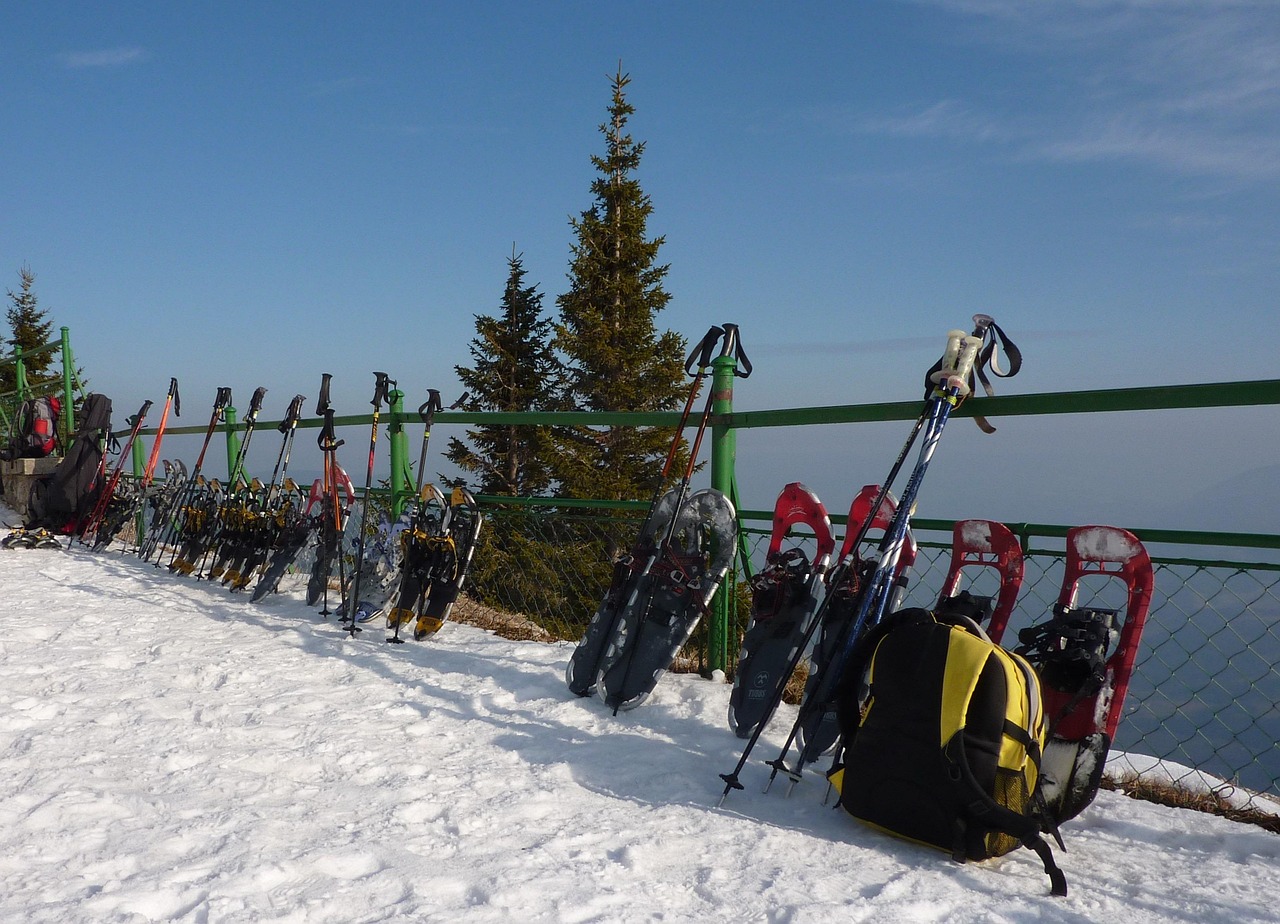

How to Choose Snowshoe Hiking Poles for Beginners
Snowshoe hiking is an excellent way to explore winter landscapes while getting a good workout. Choosing the right snowshoe hiking poles is essential for enhancing stability and balance, especially for beginners. With various types of poles available, it can be overwhelming to decide which ones to purchase. Start by determining the correct length of the poles. Generally, your poles should reach your armpits when they are placed on flat ground. A proper length aids in maintaining proper posture while trekking on snow. Additionally, poles come with different grips. Foam grips offer comfort and absorb moisture, while cork grips provide excellent durability and sweat absorption. You may also consider poles with ergonomic features to reduce fatigue over long hikes. Adjustable poles are another option worth exploring, allowing you to adapt the length based on the terrain. Furthermore, factor in the pole’s weight; lightweight poles can make a significant difference in fatigue levels during long excursions in snowy conditions. Examining all these attributes ensures that you make an informed decision when selecting your snowshoe hiking poles. As a beginner, prioritize functionality over extravagant features.
Material Selection for Poles
The material of your snowshoe hiking poles directly impacts their performance and durability. Aluminum and carbon fiber are the two primary materials used to construct these poles. Aluminum poles are generally heavier but tend to be more affordable and extremely durable. They can withstand rough conditions, making them a good option for beginners who may encounter varying terrains. On the other hand, carbon fiber poles offer superior strength-to-weight ratios, resulting in a much lighter pole that is easier to handle on long hikes. Although carbon fiber poles are typically more expensive, their lightweight nature can help reduce fatigue significantly during extended outings. Also, some poles feature a combination of both materials to achieve a desirable balance between weight and strength. When selecting your poles, think about the types of conditions you’ll mainly encounter. If you anticipate rugged terrain, aluminum may be the safer choice; if you’ll hike primarily in gentler conditions, carbon fiber poles might just be what you need for comfort and ease.
Another important feature of snowshoe hiking poles to consider is the type of baskets attached to the ends. The basket is the round part at the bottom that prevents the pole from sinking too deeply into the snow. There are several types of baskets available suited to different snow conditions. Wide baskets are ideal for powdery snow, offering better support and reducing the likelihood of sinking. Smaller baskets are better for firm, compact snow where stability is essential. Many poles come with interchangeable baskets, allowing you to customize your setup based on the terrain you are tackling. Additionally, look for baskets that can easily be removed and attached to your poles for versatile use throughout the winter seasons. Investing in poles equipped with good quality baskets can make a significant difference in the performance, helping not just balance, but also in traction as you navigate various snow conditions. Novice snowshoe hikers should familiarize themselves with their options and choose accordingly to elevate their experience in the snow.
Comfort, particularly with the grips and straps of the poles, also plays a crucial role in the overall hiking experience. As a beginner, it’s essential to choose poles that feel comfortable in your hands. Grip materials vary, including rubber, foam, and cork. Each material provides different levels of support and shock absorption, so consider what will be most comfortable for you during hikes. Furthermore, adjustable straps that fit securely around your wrists are equally important. Properly fitting straps provide additional leverage and help reduce the risk of dropping the poles, especially in challenging conditions. As you embark on your snowshoeing journey, pay attention to how the poles feel as you grip them. Test various models to find which one aligns best with your grasp. A secure grip and comfortable straps will allow you to focus on enjoying the beautiful winter scenery instead of being distracted by discomfort. Being mindful of these details paves the way for a more enjoyable snowshoe experience right from the start.
Understanding Price Range
When evaluating snowshoe hiking poles, the price is an inevitable consideration for many beginners. Typically, poles range from budget-friendly options to premium models with advanced features. For beginners, it’s often wise to start with a mid-range option. These poles offer a balance between quality and cost, allowing you to receive both durability and performance without breaking the bank. Higher-end poles may offer advanced features like lightweight materials and superior shock absorption, which can be beneficial but may also be unnecessary for those just starting out. Budget-friendly poles suffice if you are unsure of the frequency with which you’ll snowshoe hike. Before making a purchase, it is beneficial to read customer reviews and know what other users think. Online forums or hiking groups can provide specific recommendations based on personal experiences. Ultimately, you want poles that fit well within your budget but still meet your performance requirements. As your skill and enthusiasm for snowshoe hiking grow, investing in premium poles down the line can enhance your experience significantly.
Once you have selected the right snowshoe poles, it’s essential to learn how to properly use them. Proper technique enhances safety, stability, and efficiency while trekking on snow. As a beginner, focus on planting the poles at a 30-degree angle in front of you and using your arms to push downward as you move forward. This technique helps to enhance balance and provides additional support through challenging sections of your hike. Watch how skilled hikers use their poles and consider joining a beginner snowshoeing class to receive hands-on instruction. YouTube also offers many tutorial videos showcasing snowshoeing techniques, including pole use. It’s vital to practice using your poles on flat, level ground before transitioning to slopes or uneven terrain. A solid understanding and mastery of pole technique can significantly improve your confidence and overall enjoyment while hiking. Additionally, regularly practicing your technique will allow you to implement proper body movements as fatigue sets in during challenging conditions. Over time, correct pole usage will become second nature, leading to a more enjoyable trekking experience in beautiful winter landscapes.
In conclusion, investing time into choosing the right snowshoe hiking poles significantly enhances your experience on winter trails. Keep in mind all the features discussed, including length, material selection, basket types, and grip comfort. By paying attention to these details, you can select poles that cater to your personal preferences and skill level, making your snowshoe hiking adventures enjoyable and safe. Always remember to practice using the poles and refine your technique to build confidence for future outings. Ultimately, your journey into the world of snowshoe hiking will be better with the right gear in hand. Don’t hesitate to seek advice from local outdoor shops or experienced snowshoers as you prepare for your first adventure. Embracing the beauty of winter landscapes while trekking with well-chosen poles allows for not just physical activity but also a wonderful connection with the nature surrounding you. Snowshoe hiking opens a new door to exploration, and with the right poles, your journey can begin on the right foot.