
Handling Choking Situations During Martial Arts Practice
Practicing martial arts involves complex movements that may lead to unexpected situations, including choking. Understanding how to effectively respond in such instances can be critical for safety. Those involved in self-defense training should be equipped with specific skills to manage choking scenarios. By being proactive and prepared, martial artists can ensure a safer environment. Recognizing the signs of a choking situation is crucial. Signs include difficulty breathing, inability to speak, and turning blue in the face. It is essential to remain calm while executing emergency procedures. Training in first aid can greatly enhance a martial artist’s response to choking, improving their capabilities in real-world situations. Familiarizing oneself with general choking procedures can also build confidence when practicing moves. In group settings, instructors should practice these techniques regularly. Creating awareness about choking can prepare students to handle such emergencies effectively. Furthermore, discussing scenarios helps reinforce knowledge among practitioners and enhances their overall safety during training. Understanding these procedures can benefit both fellow practitioners and instructors, making martial arts a safer practice for everyone involved.
In a choking emergency, immediate intervention is required. The Heimlich maneuver is one of the most recognized techniques used to relieve choking. Practitioners can perform this maneuver on a person experiencing choking, but understanding the position is vital. Approach the person from behind and wrap your arms around their waist firmly but gently. Clasp your hands just above their navel. Quickly thrust inward and upward to force the object blocking their airway out. In instances where someone loses consciousness, calling emergency services is necessary. Floor practice in training sessions can simulate choking situations, allowing practitioners to develop appropriate responses. It’s important to ensure students feel safe and informed during these exercises. Additionally, instructors should demonstrate how to properly perform first aid on an unconscious individual. Maintaining a safe space encourages open dialogue about self-defense scenarios, fostering skill development in students. Allow time for focused discussion on emotional responses during such emergencies. Preparing practitioners emotionally is just as critical as the physical response training. A balanced approach can ultimately enhance participants’ skills and awareness while training, influencing their overall competence in managing unexpected situations.
Training for Choking Situations
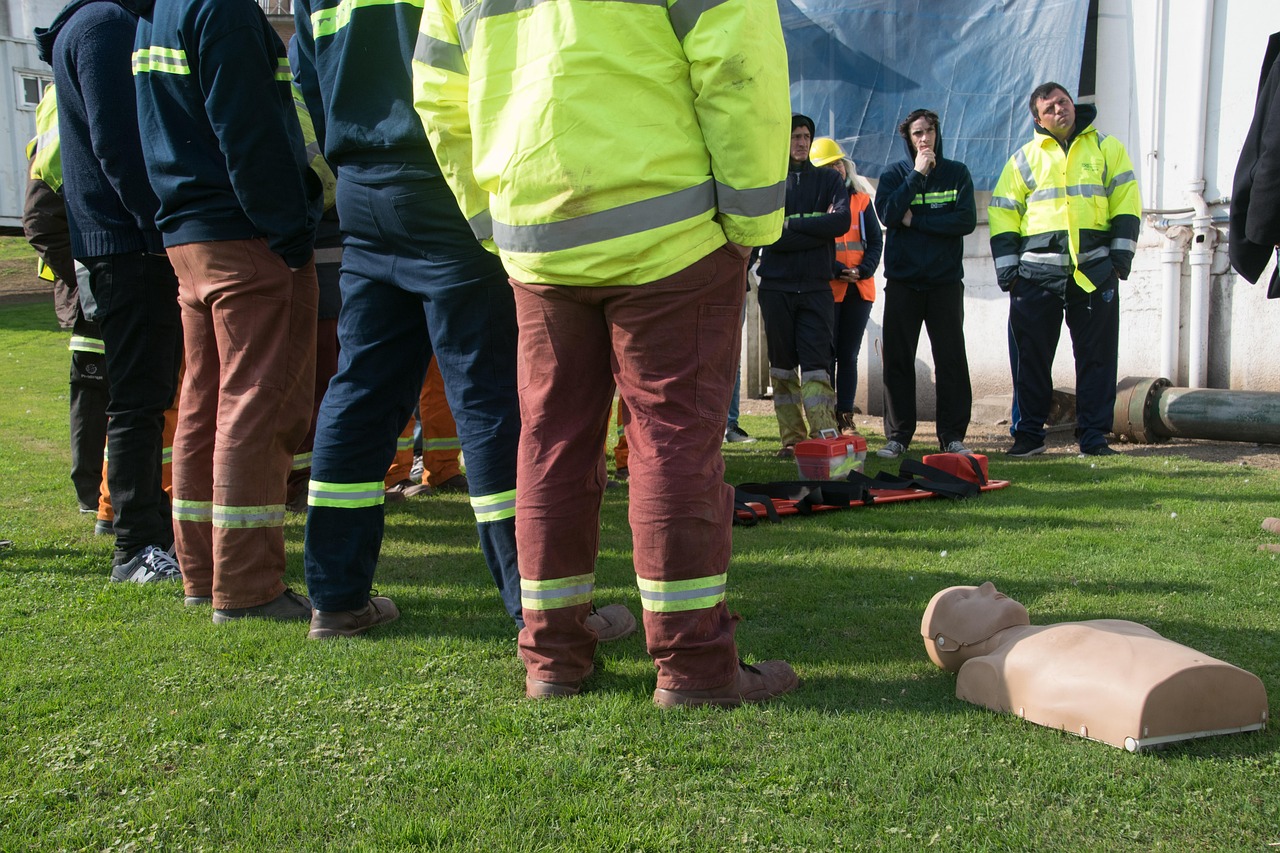
Incorporating realistic scenarios into regular training sessions can significantly benefit martial artists. Choking situations can vary widely, from light sparring incidents to accidents during full-contact drills. Instructors should create opportunities for students to experience these scenarios. Ensuring that students understand the severity of choking is key; ignorance can lead to severe risks. During this practice, emphasize communication among participants. A clear understanding of proper signals for distress adds an essential layer of safety. Teach students to recognize non-verbal cues that may indicate a student is struggling without making noise. Regular discussions regarding student boundaries can also enhance communication. It’s necessary to assure students that they can express discomfort during their training. Systematic training regarding escaping holds can prepare students for real-life situations. Practicing self-defense techniques alongside first aid maneuvers promotes a holistic approach to safety. Instructors can also invite medical professionals to conduct first aid workshops. Such partnerships can enhance the effectiveness of the training and encourage proper emergency response techniques. Training in choking scenarios not only equips practitioners with life-saving skills but builds their confidence and preparedness in high-pressure environments.
One of the most important aspects of handling choking situations in martial arts is maintaining an environment conducive to safety. Students should feel comfortable practicing potentially dangerous techniques, knowing that their classmates are aware of emergency interventions. Establishing a culture of support among students ensures that everyone looks out for each other. Encouraging team dynamics cultivates an environment where students are motivated to engage and communicate openly about their training experiences. The instructor plays a pivotal role in ensuring students understand the importance of mutual respect and personal limits. Incorporating specific safety protocols at the beginning of each class can reinforce this culture. Design frequent check-ins for students to voice their feelings and experiences during training sessions. Asking for feedback about recent drills related to choking can lead to improvement in the training process. Ensure students learn to recognize their own limitations, fostering personal growth and development. Highlighting exercises focused on awareness during self-defense training ensures that practitioners can recognize when someone else might be in distress. Overall, building a solid foundation for safety, including awareness, communication, and trust, strengthens not just the mechanics of martial arts practice but its integrity as well.
The Role of Instructors in Training
Instructors are pivotal in guiding students through emergency preparedness, especially regarding choking incidents. They must be well-versed in first aid techniques and demonstrate these skills effectively within the context of martial arts training. Teachers should not only focus on physical techniques but also emphasize mental preparedness. Properly communicating how to react during choking emergencies instills confidence in their students. Educating students about common pitfalls leads to increased vigilance during practice. Instructors can facilitate discussions around experiencing anxiety during choking situations as a way to lessen panic. This allows students to process their feelings and develop coping mechanisms ahead of time. Role-playing various choking scenarios is a beneficial practice as well. Practicing these situations, from assessing the emergency to providing first aid, prepares students not just physically but also mentally. Identifying specific goals for each student can tailor instruction to fit their unique needs. Inviting guest speakers, like medical professionals, adds credibility and an external perspective to the training, increasing students’ understanding of life-threatening situations. Ultimately, the instructor’s role encompasses building technical proficiency while also fostering strong communication skills among students and reinforcing first aid awareness consistently.
Martial arts training often emphasizes physical techniques, but the importance of mental preparedness cannot be underestimated. Good mental awareness can make a difference in the effectiveness of choking interventions. Practitioners should regularly train in calming techniques, such as breathing exercises, to manage anxiety during emergencies. Encouraging students to visualize how they would react in different scenarios can reinforce mental resilience. Developing a mental checklist can assist practitioners during a choking episode, helping them recall procedures more easily. Students might benefit from guidance on visualization practices, mental rehearsal, or even mindfulness techniques. Alongside these exercises, training on situational awareness can prepare them to recognize when someone is in genuine distress. Creating a foundation for mental readiness bolsters their technical skills, allowing practitioners to execute actions effectively under pressure. Including storytelling methods to share past experiences can also enrich the training environment. Narrating stories from real-life choking emergencies allows each person to see a different perspective, enhancing the learning experience. Regular mental rehearsal alongside physical training ensures martial artists are not only skilled practitioners but also confident responders when faced with real-world crises in self-defense situations.
Improving Community Awareness
Improving community awareness regarding choking situations can help build a stronger support network around practitioners. Creating outreach programs that educate individuals about managing choking emergencies can benefit both martial artists and the public. Involving local organizations, such as schools or community health departments, fosters positive relationships. Collaborating with these organizations helps provide seminars or workshops to educate participants on the first aid aspects of choking incidents. Sharing materials with rescue organizations or health services could enhance public knowledge further. Programs focusing on bystander intervention can empower more individuals to assist in emergencies. Bystander CPR training can be one of those essential components, promoting a community of informed, ready responders who can help. This consciousness builds stronger bonds among community members and enhances the overall safety of the environment. Utilizing various channels to share information, from social media campaigns to local news articles, spreads awareness. Encouraging martial artists to be active participants in their communities promotes a sense of responsibility. Ultimately, fostering an informed community not only benefits martial artists but enhances the safety and preparedness of everyone, creating an overall safer space for all involved.
In conclusion, handling choking situations during martial arts practice requires both technical and mental preparedness. Educating students about the protocols when choking occurs fosters a safer training environment. Furthermore, instructors play a vital role by integrating first aid training within traditional martial arts instruction. Practicing choking scenarios also establishes awareness and encourages communication among practitioners. Incorporating mental preparedness exercises strengthens students while enhancing their overall skill. As practitioners develop their abilities to manage emergencies, a supportive community can amplify their knowledge and skills, extending beyond the dojo. Collaborative efforts toward training programs contribute to overall public safety. Being proactive in preparing for emergencies can help mitigate risks, ensuring practitioners feel confident in their self-defense abilities. Encouraging community involvement in awareness efforts also expands the reach of education, ultimately creating a safer environment not just for martial artists but for everyone in the community. All elements of choking training should be emphasized consistently throughout practice sessions. By prioritizing preparedness, practitioners can enhance their martial arts journey and foster a culture of compassion and readiness that extends well beyond individual training sessions.