
Top 10 Functional Training Exercises for Everyday Strength
Functional training focuses on exercises that mimic everyday activities, improving strength, coordination, and flexibility. The first exercise to consider is the squat, which targets multiple muscle groups, including your glutes, quads, and hamstrings. To perform a proper squat, lift your hips back, lower your body until your thighs are parallel to the ground, and keep your chest up. Incorporating squats into your routine enhances your ability to perform daily tasks such as sitting or lifting items from the ground. Another beneficial exercise is the deadlift, which strengthens your posterior chain, essential for good posture. The deadlift, performed with a barbell or dumbbells, improves balance and overall strength. Additionally, push-ups are a fantastic way to develop upper body strength and stability. Start in a plank position and lower your body until your chest is close to the ground before pushing back up. Lastly, lunges enhance lower body strength and stability through a forward or backward stepping motion. Combining these exercises will create a well-rounded functional training routine. Regular practice leads to functional strength that translates into daily life.
Another great functional training exercise is the kettlebell swing, which helps build explosive power and endurance. This exercise targets your hips, glutes, and core, making it essential for overall fitness. To execute a kettlebell swing, start with your legs slightly wider than shoulder-width apart, gripping the kettlebell with both hands. Hinge at your hips and swing the kettlebell between your legs, then explosively thrust your hips forward to swing the kettlebell to shoulder height. It’s crucial to maintain a strong core throughout the movement to prevent injury. Additionally, plank variations are excellent for enhancing core strength and stability. Consider trying side planks or plank jacks for added difficulty. These variations not only challenge your core but also work your shoulders and back muscles. Balancing exercises such as single-leg deadlifts enhance stability and coordination. This functional exercise significantly improves your balance while targeting the hamstrings and glutes. Incorporating resistance bands into your training routine can elevate your workouts further. They allow for greater exercise variety, improving strength, stability, and flexibility effectively. Choose the right band tension for your level to maximize resistance.
Plyometric Exercises for Added Intensity
Plyometric exercises are a fantastic addition to functional training, promoting explosive strength and speed. An excellent example is the box jump, where you jump onto a sturdy platform, enhancing leg power and coordination. To perform a box jump, stand in front of a box or bench and bend your knees slightly before jumping onto it. Upon landing, ensure you maintain good posture and balance. Another effective plyometric move is the burpee, a full-body exercise that boosts your heart rate while improving strength and endurance. Start standing, drop to a squat, kick your feet back to a plank position, and quickly return to the squat before jumping up. It’s essential to stay focused on your form to prevent injuries. Medicine ball slams provide another dynamic workout, combining strength and power in one explosive motion. Hold a medicine ball overhead, and slam it down as hard as you can while squatting down. This movement engages your whole body, targeting the core, shoulders, and legs. Additionally, performing agility ladder drills significantly enhances speed and coordination, crucial for functional fitness and sports performance.
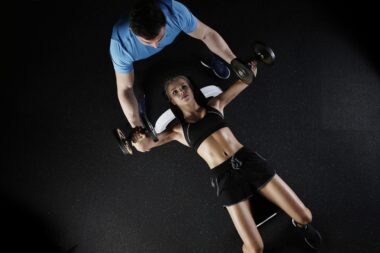
Incorporating resistance training exercises into your functional training routines can yield impressive results. Consider implementing exercises like the overhead press into your regimen. This upper body exercise works your shoulders, triceps, and core while providing functional strength beneficial for daily lifting tasks. Achieve this by standing with feet shoulder-width apart, holding weights at shoulder height, and pushing the weights overhead. Rows are another critical functional training exercise, strengthening your back and improving posture. Use a resistance band or free weights while bending forward slightly to perform this effective movement. Core engaging exercises are essential, and Russian twists are highly effective. Sit on the floor with your knees bent, holding a weight while rotating your torso from side to side. This exercise not only strengthens the core but also increases rotational strength useful for sports. Planks and extended variations will enhance core stability. Incorporating these exercises into your workouts routinely will lead to overall strength improvements. It’s vital to focus on maintaining proper form to prevent injury while performing each exercise. Regularly challenge yourself with varied weights or resistance.
Mobility and Flexibility in Functional Training
The last thing to incorporate into functional training is mobility and flexibility work. Stretching before and after workouts enhances flexibility, increasing the range of motion for exercises. Yoga is an excellent option for improving flexibility and enhancing overall body awareness. Incorporate poses that focus on building strength and flexibility simultaneously, such as downward dogs and warrior poses. Integrating dynamic stretches, like leg swings or arm circles before your workout, will prepare the body for movement and reduce injury risk. Another effective strategy is foam rolling. This technique helps in relieving muscle tension, promoting recovery, and increasing blood flow. Focus on major muscle groups, particularly tight areas, to enhance mobility. To further enhance your training, engage in functional movement patterns like the Turkish get-up, which develops strength, coordination, and mobility all in one efficient exercise. Incorporating medicine ball exercises and bands will increase your workout intensity while developing core strength and power. Overall, functional training will foster strength, balance, coordination, and flexibility essential for better physical performance and injury prevention throughout various daily activities. Combining strength, cardio, mobility, and flexibility ultimately forms a rounded fitness approach.
The journey to improving your functional strength requires consistency and dedication. An essential aspect of functional training is establishing specific, realistic goals to track your progress effectively. This allows you to stay motivated while seeing improvements in your strength and agility through consistent workouts. It’s also critical to listen to your body. If you experience pain, do not push through; instead, consider modifying the exercise or consult with a fitness professional to ensure proper technique. Ensure you also fuel your body with a well-balanced diet rich in protein and carbohydrates to support recovery and muscle growth. Additionally, staying hydrated is crucial during workouts, so remember to drink water throughout your training sessions. Find a workout routine that fits into your lifestyle, incorporating the top functional exercises mentioned. Experiment with different intensities, reps, and sets. Finally, don’t hesitate to vary your routine and include new exercises to avoid a plateau in your fitness journey. Connect with other fitness enthusiasts, seek guidance, and share experiences. Functional training can maximize your performance, making everyday tasks easier while promoting a healthier lifestyle.
Conclusion: Embrace Functional Training
Embracing functional training exercises in your fitness regime will yield substantial benefits for your overall health. They inherently focus on movements applicable to daily life, increasing your strength, flexibility, and balance, drastically improving your quality of life. As you incorporate these top ten functional exercises, remember to prioritize your form and safety to obtain the maximum benefits. The world of functional training presents variety and adaptation, ensuring that everyone can find exercises suitable for their level. Stay committed, be patient, and recognize that development takes time through consistent effort and motivation. Celebrate each small victory in your fitness journey, whether it is lifting heavier weights, performing more repetitions, or executing exercises with ease. Additionally, supplementing your workouts with mobility and flexibility training will lead to better performance overall. As you continue this journey, consider engaging with a professional trainer for personalized guidance ideally suited to your personal fitness goals. Investing time to learn proper techniques, catering to your specific needs, will yield greater fitness results. Commit to functional training today for enhanced strength, improved physical health, and better mobility for everyday activities.
In summary, functional training is essential for those looking to build practical strength in everyday life. By regularly including a variety of exercises that focus on multiple muscle groups, you will ultimately empower yourself to handle physical challenges effortlessly. The combination of bodyweight, resistance, and mobility exercises cultivates strength and coordination essential for further success. Always stay informed about training variations and modifications; adapting drills is vital for continuous progress. You can also supplement your training with lifestyle changes, such as improved nutrition and hydration. Leverage technology and apps tracking your workouts, nutrition, and progress can enhance accountability. Group training sessions can provide extra motivation; consider seeking a workout partner or joining a fitness community. Routine changes are integral to optimizing results, so explore different environments or settings that inspire you. With every step taken in your functional training journey, visualize your goals, whether they are long-term health improvements or specific fitness challenges you wish to tackle. Embrace the journey, and trust the process to witness the many benefits of functional training manifest in your daily life.