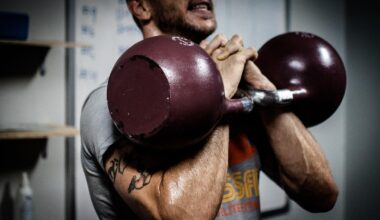

Bodyweight HIIT Gym Workouts You Can Do Anywhere
High-Intensity Interval Training, or HIIT, is a popular fitness approach globally. It combines short bursts of intense exercise with brief rest or low-intensity periods. This approach promotes weight loss and improves cardiovascular health. Bodyweight HIIT workouts make this routine accessible and effective without specialized equipment. You can perform these workouts anywhere, from your living room to a local park. When creating your workouts, focus on full-body movements. This enhances both strength and endurance. Some effective exercises include burpees, squats, and push-ups, allowing diverse routines. Each session can range from 10 to 30 minutes, ideal for busy lifestyles. The key to HIIT workouts is maximizing intensity during exercise intervals. For beginners, start with a 1:2 ratio, like 20 seconds of work followed by 40 seconds of rest. As fitness levels increase, adjust your work-to-rest ratio for more challenges. Maintain proper form to avoid injury, particularly as fatigue sets in during intense intervals. However, always remember to warm up before sessions and cool down afterward to aid recovery. Incorporating bodyweight HIIT workouts into your routine delivers exceptional benefits for physical and mental health.
Exercises for a Full-Body HIIT Routine
When designing a bodyweight HIIT workout, including a variety of exercises targets multiple muscle groups effectively. Some excellent exercises to consider incorporating are:
- Burpees: This compound movement engages your entire body and boosts heart rate quickly.
- Mountain Climbers: Great for agility and core strength, they simulate activities like climbing.
- Squats: A classic lower-body exercise that strengthens quads and hamstrings.
- Push-ups: Essential for upper-body strength, targeting the chest, shoulders, and triceps.
- Plank Jacks: Combine core stability and cardio by adding a jumping motion to the plank.
For optimal results, alternate between these exercises, allowing only minimal rest. A 30-minute HIIT workout could include 5 sets of each exercise, performing them for 40 seconds on and resting 20 seconds in between. You can customize this format easily to fit your individual fitness levels and goals. Always listen to your body and adjust the intensity as needed to ensure a well-rounded workout experience.
Bodyweight HIIT workouts are incredibly versatile, allowing for various formats that keep your routine fresh and engaging. One effective method is performing a circuit-style workout where you transition from one exercise to another without rest. After completing all the exercises, take a brief rest before repeating the circuit. For instance, a simple 4-exercise circuit could include push-ups, lunges, high knees, and tricep dips. Each exercise would be performed for 30 seconds, followed by a 15-second transition to the next exercise. Users can repeat the entire circuit three to five times, depending on their fitness level. Another approach includes tabata-style workouts, where you work hard for 20 seconds followed by a 10-second break. This format emphasizes intense bursts of activity followed by short pauses, contributing to elevated heart rates. Adjust the duration of work and rest periods according to your fitness level. It’s essential to focus on proper form during each movement, especially as fatigue sets in. A well-structured HIIT workout not only promotes weight loss but also cultivates endurance and strength simultaneously.
Creating an Effective HIIT Schedule
To enjoy the benefits of bodyweight HIIT workouts, it’s crucial to establish a consistent schedule. Start by identifying your fitness goals, whether weight loss, strength building, or improving endurance. Allocate specific days for your HIIT sessions, mixing them in with other workout types for balanced fitness. A common approach is to perform HIIT workouts three times weekly, interspersed with strength training or low-intensity cardio. This structure prevents overtraining while allowing recovery time for muscles. Ensure that your HIIT sessions are varied, targeting different muscle groups throughout the week. For instance, focus on upper body workouts one day and lower body workouts the next. This diversity keeps sessions interesting and promotes better overall results. Remember, rest days are essential for recovery and muscle growth. Incorporate active recovery, such as walking or stretching, during downtime. Tracking your progress can also motivate and help you stay committed. Use a fitness app or journal to log workouts, personal records, or changes in body composition to monitor advances and adjust your regimen as necessary.
The environment where you perform bodyweight HIIT workouts can influence your motivation and effectiveness. Choose a space that encourages exercise, whether indoors at home or within a local park. Ensure the area is spacious enough to accommodate a full range of movements without any obstructions. Bright, open areas often create a refreshing atmosphere, promoting a better workout experience. If working at home, establish a dedicated workout zone with personal equipment such as mats or blocks, and eliminate distractions like phones or TVs to maintain focus. Outdoor workouts can enhance the experience further, providing fresh air and nature’s benefits. However, always consider the weather conditions before choosing outdoor options. Additionally, exercising with a friend can enhance accountability and enjoyment during sessions. The social interaction boosts overall motivation while creating a friendly atmosphere that makes the workout feel less daunting. You can also join a local fitness group focused on HIIT to discover new workouts, share experiences, and receive support. Being part of a community can encourage consistency and foster a positive relationship with fitness.
Nutrition and Recovery for HIIT Workouts
Optimal nutrition and recovery are key components to enhance performance in bodyweight HIIT workouts. Fueling your body properly before and after workouts aids in recovery and performance. Focus on consuming a balanced meal or snack that includes carbohydrates, protein, and healthy fats prior to your HIIT session. Options like oatmeal with fruits or a protein smoothie provide the necessary energy for high-intensity intervals. Post-workout, aim to replenish energy stores and repair muscles. Consuming a protein-rich snack like Greek yogurt or a protein shake within an hour after exercising can promote recovery success. Hydration is equally important, so ensure ample water intake before, during, and after each workout. Electrolyte balance enhances performance, especially during intense sessions. Recovery techniques, such as foam rolling, stretching, or yoga, can ease muscle soreness and improve flexibility. Consider integrating a cool-down routine after each session as part of your recovery process. Prioritize sleep too, as it plays a significant role in muscle recovery and overall well-being. Balanced nutrition and proper rest ensure that your body reaps the full benefits of HIIT workouts for sustained performance.
In conclusion, bodyweight HIIT workouts are adaptable, efficient, and a powerful approach to enhancing fitness levels. Their minimalist requirement for equipment allows individuals to perform effective workouts anywhere, thus accommodating various lifestyles. This flexibility holds appeal for individuals facing time constraints but committed to their fitness journey. HIIT workouts boost endurance and promote fat loss significantly while improving cardiovascular health. To design a successful bodyweight HIIT routine, integrate a mix of exercises targeting different muscle groups, ensuring substantial variety. Implementing a balanced schedule enhances recovery, while consistency plays an essential role in achieving desired fitness results. Coupling workouts with proper nutrition and hydration optimizes overall performance and recovery. The accountability provided through workout partners or fitness communities fosters motivation and enjoyment, amplifying the experience during sessions. It’s essential always to maintain focus on proper form to prevent injuries. Ultimately, commitment to this fitness approach can lead not only to improved physical results but also mental resilience. As you embark on this bodyweight HIIT journey, remember that each small effort contributes significantly to your long-term health and fitness goals, paving the way for lasting positive changes.
HIIT (High-Intensity Interval Training) workouts can be tailored to suit any fitness level or preference. Whether at home, the gym, or an outdoor park, you can easily incorporate bodyweight exercises into your routine. This ensures that you can maintain momentum in your fitness journey regardless of your environment. By following the principles of interval training, you create a workout pattern that is sustainable and adaptable. The excitement of changing exercises keeps workouts fresh and motivating. For beginners, starting with shorter bursts of exercise accompanied by longer rest intervals is advisable. As you become more experienced, adjust the intensity and switch up your exercise variants to keep pushing your limits. Emphasize quality over quantity, focusing on maintaining good form, especially in strenuous exercises. Furthermore, establish a good warm-up routine to prepare your body for vigorous activity, reducing the risk of injuries. Additionally, develop a consistent recovery routine post-workout to aid muscle healing and avoid fatigue. Ultimately, bodyweight HIIT sessions deliver effective health benefits, making them an exceptional choice regardless of age or fitness capability.