
Balance Training Techniques for the Elderly
As individuals age, their sense of balance may naturally decline, which can lead to an increased risk of falls and injuries. Balance training is essential for improving coordination and stability, helping older adults maintain independence and reduce the likelihood of accidents. Incorporating simple exercises that focus on core strength, flexibility, and coordination can significantly enhance balance. Engaging in regular physical activity promotes muscle strength and flexibility, crucial for maintaining balance. Inviting elderly individuals to participate in group classes can also enhance motivation and social interaction, making balance exercises more enjoyable. Focus on static exercises like single-leg stands, where one holds the position under supervision, fostering confidence as stability improves. Enhancing proprioception through exercises that challenge body awareness can further develop coordination. Simple tasks such as walking heel-to-toe while concentrating on a steady gaze can sharpen balance skills. It’s essential to tailor these exercises to the individual’s abilities, ensuring safety during practice sessions. Introducing a gradual increase in complexity and dynamic movements is vital to foster progress and retention of balance skills over time.
A pivotal component of effective balance training includes incorporating strength-building techniques. Strengthening the major muscle groups promotes stability and supports the joints, facilitating better coordination. Resistance bands, light weights, or body-weight exercises, such as squats and lunges, can be integrated into a balanced program. Targeting the lower body muscles helps in stabilizing the hips, knees, and ankles, which are crucial for maintaining balance. Additionally, exercises like heel raises and toe stands can significantly improve calf strength and ankle flexibility. Equally important is engaging in activities that promote core strength, as a strong core plays a fundamental role in balance. Gentle yoga or Pilates can be adapted for seniors, focusing on the key principles of strength, flexibility, and mindfulness. These practices not only improve physical balance but also enhance mental equilibrium, which reduces the fear of falling. Furthermore, ensuring a safe environment is paramount, as it allows the elderly to practice without worry. Having supportive equipment nearby, like handrails or exercise balls, serves as a safety net as they develop their balance skills gradually and effectively.
Incorporating Balance Exercises
Incorporating balance exercises into daily routines can yield significant benefits, enhancing mobility and coordination. Elderly individuals can practice simple exercises such as Tai Chi, which promotes slow, deliberate movements that improve strength and flexibility, leading to enhanced balance. These meditative flows reduce the risk of falls by improving body awareness and focus. Regular sessions of Tai Chi can also promote relaxation and reduce stress, ensuring a holistic approach to physical well-being. Moreover, walking as a routine can enhance balance, allowing seniors to connect with their surroundings while exercising. Encouraging safe walking routes, preferably with supervision or in groups, can create a supportive environment for practice. Simple tasks like walking backward under controlled settings also challenge balance, allowing for progressive improvement. To further increase engagement, balancing games can be introduced to add an element of fun and challenge. Focusing on foam pads or balance boards develops strength and focus, essential for maintaining stability. Additionally, integrating rhythm-based activities can boost engagement levels while fostering coordination and teamwork in group settings.
Another effective strategy for balance training among the elderly is integrating visual and auditory cues. Utilizing environmental cues, such as targeting specific objects while walking or balancing, can refine focus and spatial awareness. Incorporating background music enhances engagement, transforming the exercise into a more enjoyable experience while improving rhythm and coordination. Visual elements like colored targets on the floor can guide movements while promoting dynamic balancing. Furthermore, technology can play a role through the use of balance training apps and devices. Virtual reality systems have emerged as innovative tools, providing interactive experiences that challenge stability while maintaining interest. These interactive features can motivate older adults to actively engage without feeling overwhelmed. Additionally, instructing seniors to perform exercises in varied environments, such as grass or sand, can enhance their adaptability and resilience. Safety must remain at the forefront, ensuring that such activities are supervised. Through consistent practice and varied approaches, older adults can achieve substantial improvements in balance and coordination, overcoming the limitations posed by aging. This ongoing journey ultimately contributes to a safer and more active lifestyle.
The Role of Professional Guidance
Seeking professional guidance is fundamental when implementing balance training techniques for the elderly. Collaborating with physiotherapists or trained fitness instructors can help create personalized programs tailored to individual needs and capabilities. These professionals assess each individual’s strength, flexibility, and coordination levels, establishing specific goals and benchmarks. Direct supervision during initial training sessions provides safety while ensuring the proper execution of techniques. This professional input not only boosts confidence but ensures that appropriate progressions are made to avoid injuries. Furthermore, regular assessments allow for ongoing adjustments to the training program based on improvements and changing needs. Workshops or community programs led by experts can be beneficial as they foster camaraderie and collective learning. These group settings provide motivation, encouraging participation through social interaction. Additionally, community centers often organize balance classes, making them accessible and convenient. Engaging in these settings offers a structured approach to balance training as well as multiple opportunities for feedback, knowledge sharing, and encouragement from peers. Overall, fostering a relationship with a professional enhances both efficacy and safety in balance training for the elderly.
Establishing a routine program helps in reinforcing balance training fundamentals. Consistency is key to achieving sustained improvements in balance and coordination, encouraging elderly individuals to integrate exercises into their daily lives. Setting specific times dedicated to these activities fosters a sense of discipline and commitment. Participation in communal classes or home settings encourages accountability among participants, making it easier to follow through with exercises. Encouraging a mix of exercises ensures comprehensive enhancements, focusing on strength, flexibility, and coordination. Designed parameters for rest and recovery, along with gradual increases in intensity, allow for optimal muscle adaptation and growth over time. Additionally, tracking progress can boost motivation, as individuals notice improvements in their balance capabilities. Maintaining a journal documenting achievements and challenges fosters a proactive mindset. Alongside, seeking support from family members or friends can reinforce the importance of participation in the balance training routine. Social encouragement is vital; it transforms balance exercises into a pleasurable activity. Thus, the combination of consistency, support, and adaptability creates a solid foundation for enhancing balance and coordination among older adults.
Conclusion and Encouragement
Summarizing the importance of balance training for the elderly forms a cornerstone of maintaining independence and reducing fall risks. It is clear that engaging in structured exercises that promote strength, stability, and coordination directly influences overall health. By integrating various methods—ranging from group classes to professional guidance—seniors can find enjoyable paths to improvement. Emphasizing the role of community, shared experiences create a sense of belonging that encourages participation and motivation. It highlights that achieving balance may require time and persistence, prompting seniors to remain patient with their journeys. In conclusion, individuals should remember the importance of personalizing activities as per their comfort level and enjoyment. Engagement in these strategies leads to enhanced quality of life and prolongs independence, making balance training a priority. Furthermore, encouraging seniors to share their progress can foster connectivity and mentorship, reinforcing a supportive community around this vital aspect of health. Ultimately, as balance improves through regular and creative exercise, older adults can navigate their daily lives with greater confidence and reduced fear of falling.
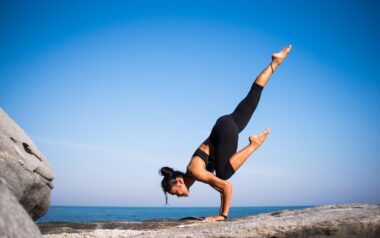
Including a variety of exercises designed to improve balance and coordination can invigorate the wellness of elderly individuals. These activities range widely and can be easily tailored to suit varying levels of strength and confidence. Simple yet effective movements such as seated leg lifts and gentle stretches should form the foundation of any training program. Progressing to standing balance exercises like tree pose or simple yoga postures cultivates core strength and stability. Regular practice fosters a greater sense of awareness about body movements, which is crucial for preventing accidents. Implementing visual and auditory elements, such as guided instruction through apps, can further enhance engagement while offering tailored feedback. Seniors can also be encouraged to participate in balance activities that connect them socially, such as dance classes, which enrich their emotional well-being along with physical fitness. Regularly varied exercises not only keep the mind engaged but promote long-term adherence. As participants observe gradual improvements in their stability, confidence naturally builds, allowing them to embrace much more active lifestyles. This comprehensive approach will reflect positively on their overall health and longevity, reinforcing the importance of consistent balance training.