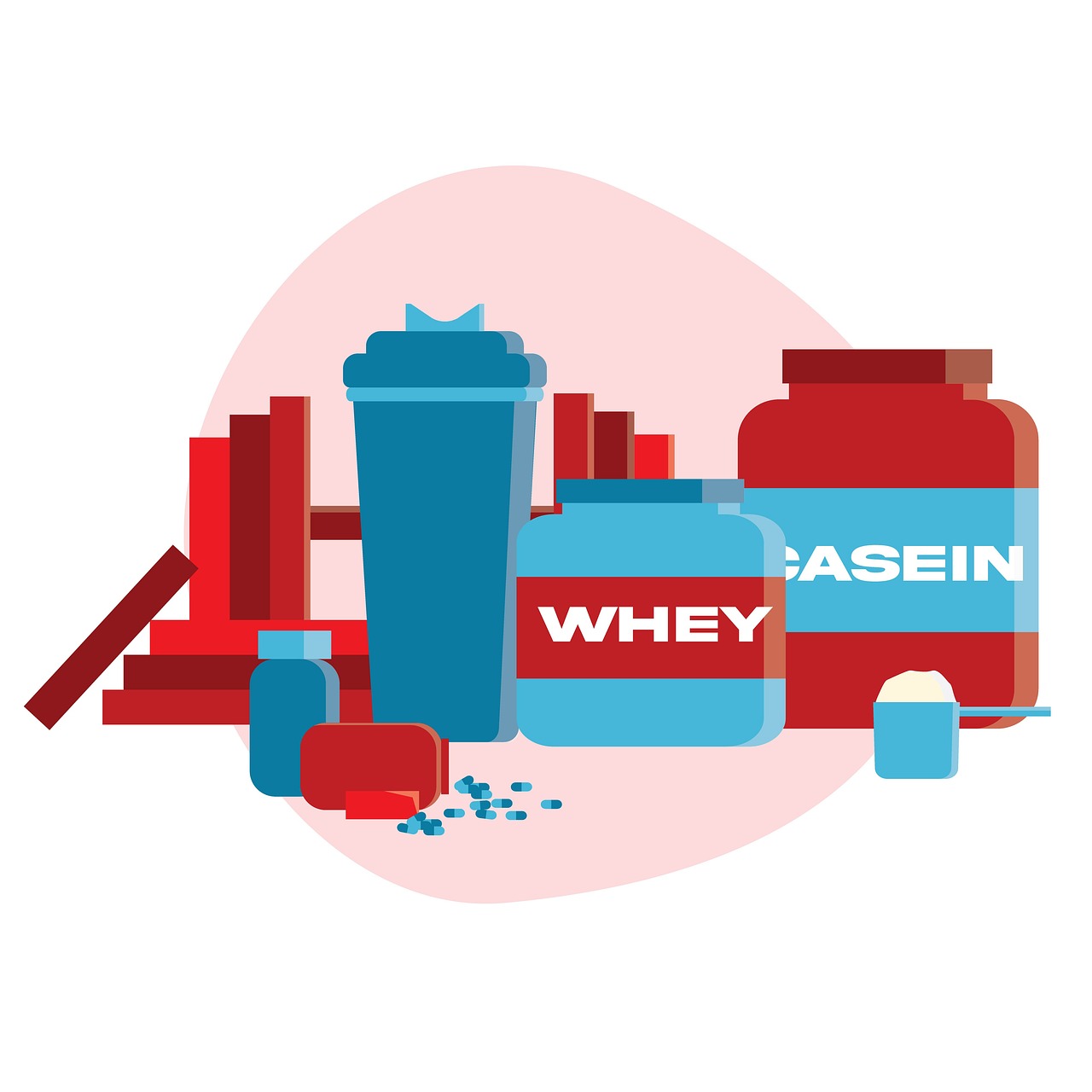

Protein Consumption and Fat Loss in Athletes
In the pursuit of optimal athletic performance, protein intake plays a crucial role, especially concerning fat loss. Athletes striving for lower body fat percentages often focus on macronutrient ratios to facilitate both performance and recovery. Protein has functions beyond muscle maintenance; it can enhance fat loss by promoting satiety and thermogenesis. Ensuring adequate protein intake throughout the day helps athletes manage their hunger levels better and supports muscle repair following intense workouts. Additionally, high-protein diets can lead to increased energy expenditure, making them beneficial for those aiming to achieve leaner physiques. Eating sufficient protein helps preserve lean muscle mass, which is essential when creating a caloric deficit for weight loss. Adequate protein not only aids recovery but also supports metabolic health, which is vital for athletic performance. Athletes should aim to incorporate a variety of protein sources, including both animal and plant-based options, to meet their needs and preferences. Furthermore, timing protein intake around workout sessions is critical to enhance muscle repair and optimize performance. Overall, understanding protein’s role in fat loss can significantly benefit athletes in their training and competition phases.
The Benefits of Protein Intake for Athletes
Protein is vital for athletes, offering numerous benefits that extend beyond muscle building. First, adequate protein consumption helps in muscle recovery after intense workouts. This recovery is essential for improving strength and preventing injuries, which can derail training. Second, protein supports the body’s metabolism by promoting the preservation of lean muscle mass during caloric restriction. This becomes particularly important during fat loss phases, where muscle loss can easily occur. Furthermore, high-protein diets can aid in appetite control, allowing athletes to feel fuller longer and resist the temptation of unhealthy snacks. Protein also has a higher thermic effect of food compared to fats and carbohydrates, meaning more calories are burned during protein digestion. Additionally, proteins contain various amino acids that are necessary for hormone production, immune function and overall health. Timing protein intake, about 30 minutes post-exercise for instance, can maximize these benefits. Athletes should strive to distribute their protein intake evenly across meals for optimal results, combining different sources of protein for a complete amino acid profile. By recognizing the multifaceted role of protein, athletes can leverage it effectively for better performance and health outcomes.
Implementing effective protein intake strategies can significantly enhance athletic performance. Athletes should consider their specific energy and protein requirements based on their sport, goals, and body composition. To start, determining daily protein needs is essential and generally falls between 1.2 to 2.0 grams per kilogram of body weight, varying by activity intensity and type. Meal planning becomes crucial in ensuring that protein sources are readily available and varied. For example, athletes can include chicken, fish, legumes, dairy products, and nuts in their diet. Supplementing with protein powders such as whey or plant-based options can also be beneficial when meeting protein goals is challenging through whole foods. Consuming protein-rich snacks, such as Greek yogurt or protein bars, between meals can help bridge any gaps in intake. Throughout the day, maintaining high hydration is also important, as it complements protein metabolism. Additionally, integrating proteins at each meal and snack maximizes muscle protein synthesis, contributing substantially to recovery and growth. Lastly, athletes should remain adaptable and open to adjusting their protein strategies as training demands and nutritional needs evolve over time.
Timing Your Protein Intake
Strategically timing protein intake is paramount for athletes aiming to maximize performance and recovery. Research suggests that consuming protein within 30 minutes post-workout can significantly enhance muscle recovery. This is often referred to as the “anabolic window,” during which the body is primed to utilize amino acids from the consumed protein for repairing and building muscle tissue. However, it’s also crucial for athletes to distribute protein intake evenly throughout the day rather than concentrating large amounts in a single meal. Ideally, aiming for around 20-30 grams of protein per meal helps maintain a positive protein balance. Pre-workout protein consumption can also be advantageous, preparing muscles for the rigors of training and providing sustained energy. Furthermore, snacks containing protein can be effective for replenishing glycogen stores and supporting recovery between continuous training sessions. In doing so, athletes maintain energy levels and improve performance during subsequent workouts. Understanding and integrating protein timing into a structured dietary plan can represent a significant advantage in competitive sports, ensuring athletes remain fueled and ready to perform at their best. Overall, effective protein timing combined with quality sourcing can yield optimal results.
Protein intake strategies should not only focus on quantity but also on quality. High-quality protein sources provide a better amino acid profile, vital for muscle growth and repair. Complete protein sources, including eggs, dairy, lean meats, and fish, contain all essential amino acids needed for athletes. Conversely, certain plant-based proteins might be lower in one or more of these essential amino acids; hence, combining different plant sources can help achieve a complete amino acid profile. For instance, a combination of legumes and grains, like rice and beans, can fill any gaps. Additionally, athletes should be cautious about processed protein sources, as they can introduce unwanted additives or sugars that might hinder performance and recovery. While protein supplements can be convenient, they shouldn’t replace whole food sources. Achieving a balanced diet rich in various nutrients is essential for overall health. Regularly monitoring protein intake and adjusting based on training cycles or individual goals is crucial. Consulting with a nutritionist can provide tailored strategies that suit specific athletic needs. This personalized approach ensures athletes meet their dietary requirements to support their training and competitive performance effectively.
Conclusion: Making Protein Work for You
In conclusion, mastering protein intake strategies is vital for athletes aiming to optimize performance and accelerate fat loss. Understanding the importance of protein timing and choosing high-quality protein sources can make a significant difference in training outcomes. By distributing protein intake throughout the day and prioritizing consumption around training sessions, athletes can maximize muscle repair and fuel performance. Moreover, incorporating diverse protein sources not only enhances nutritional quality but also enriches dietary variety. Athletes should remain flexible in their approaches, adjusting protein consumption based on changing training demands, recovery needs, and overall goals. Consistent adherence to these strategies fosters improved athletic performance and successful fat loss without sacrificing muscle mass. As research continues to evolve in the realm of sports nutrition, staying informed will empower athletes to make better dietary choices. Collaboration with nutrition professionals can further refine athletes’ protein strategies, ensuring they truly understand how to make protein work for them. Ultimately, a well-planned protein intake strategy is an invaluable tool in any athlete’s arsenal, designed to support health and enhance performance throughout various sports.
As a side note, measuring progress and adapting strategies is key. Athletes should document their dietary habits, including protein intake, and regularly assess their performance and recovery. This data helps validate or question existing strategies, leading to optimal nutrition practices. Tracking factors like energy levels, muscle soreness, and overall performance can indicate whether protein intake is effective. Athletes should leverage technology, such as apps or journals, to maintain such records efficiently. Engaging with teammates or peers for mutual accountability can add a social element to nutritional practices. Furthermore, as trends in sports nutrition emerge, being open to new research findings is crucial. Athletes should remain critical of information sources, relying on reputable research and professional guidance. As always, individual preferences and tolerances should guide protein strategy implementation. Customizing protein intake around training schedules can lead to more satisfying outcomes. Thus, taking a holistic view of protein consumption, mental wellness, and physical health is paramount. Ultimately, athletes can achieve and sustain peak performance through knowledge, commitment, and monitoring their protein strategies.
In the ever-evolving realm of athletic performance and nutrition, understanding the nuances of protein intake is essential. Athletes who proactively engage with their dietary choices will likely experience enhanced performance and effective fat loss. As new research emerges, adjusting strategies aligns with the latest findings can provide a competitive edge. Incorporating both macro and micronutrient considerations in a protein-focused diet will cater to overall health. As protein is only one piece, athletes must also prioritize carbs and fats for energy and recovery. Personalizing intake strategies while maintaining flexibility and adaptability will help navigate the dynamic nature of training. Recognizing physiological responses to protein consumption will also inform tailored approaches that work best for individual athletes. Engaging in reflection and discussion with coaches or nutrition experts can further refine strategies, honing in on unique needs. Moreover, sharing experiences with fellow athletes fosters growth and collective knowledge within the community. Ultimately, by taking a comprehensive view of protein intake and its role in fat loss, athletes can achieve remarkable results in their performance endeavors. An informed and flexible approach to protein consumption will undoubtedly pave the way for athletic success.