
Advanced Flow Techniques: Maintaining Momentum and Style
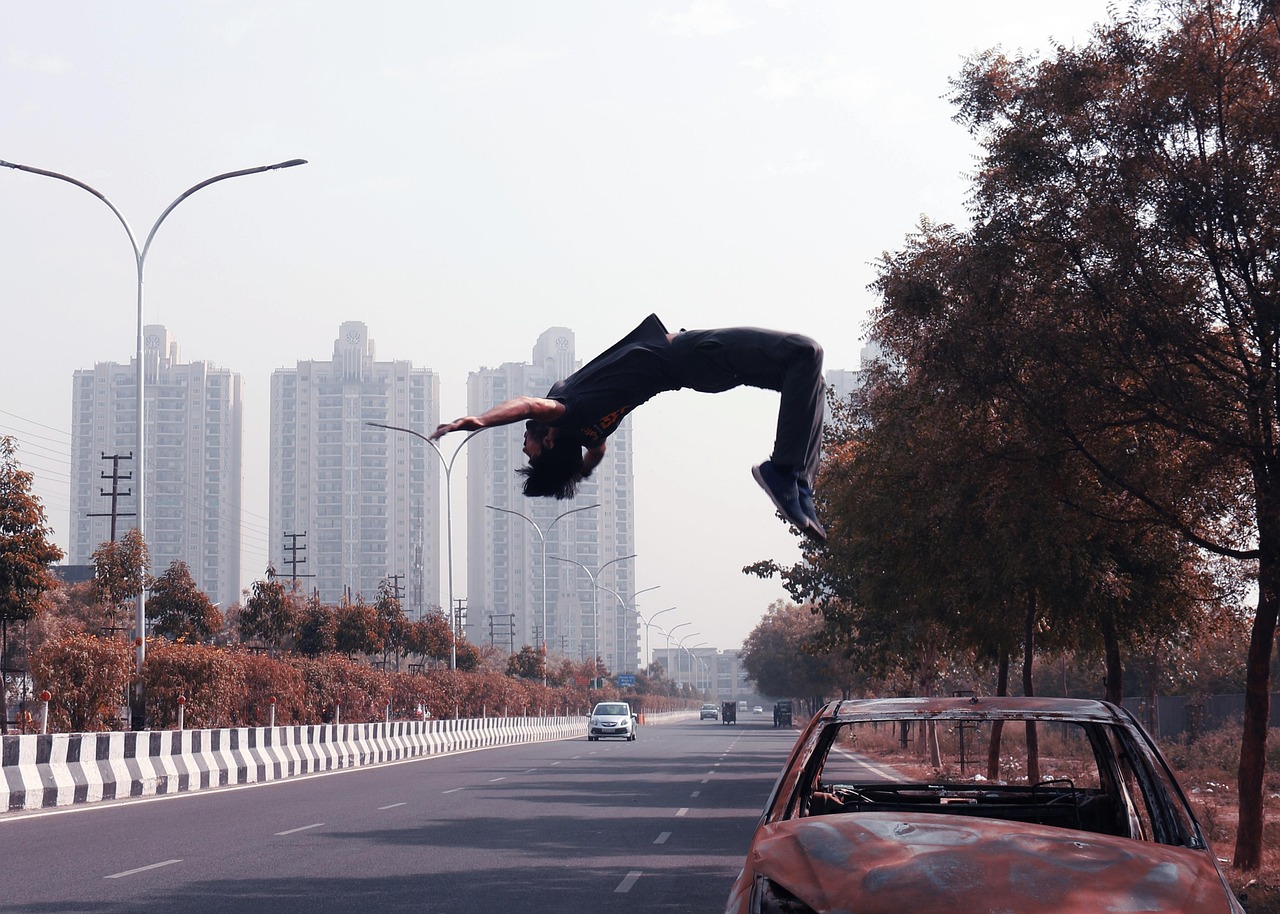
Parkour is not just about overcoming obstacles, but it also revolves around mastering flow techniques that enhance your movement style. Understanding how to maintain momentum while linking movements is essential for any advanced practitioner. Achieving seamless transitions between moves helps create visual narratives, showing elegance in each flow. This approach can be refined through practice and a clear understanding of different techniques. Momentum can be preserved by pre-emptively planning a route that allows for continuous movement rather than abrupt stops. Techniques such as rolls, vaults, and wall runs can serve as connections between various jumps. Whether it is a precision jump or a long leap, ensuring that your landing is soft can help maintain flow. You also need to experiment with different combinations of techniques to see what feels most natural. Favoring personal style sets you apart and influences how others perceive your movements. Focus on developing core strength, flexibility, and spatial awareness to help maximize your flow during parkour sessions. Being aware of your surroundings also plays a critical role in smooth execution.
Building Core Techniques
When considering advanced flow techniques, always pay attention to building a solid foundation with core skills. Techniques such as the Kong vault, the precisions, and the front flip serve as essential building blocks. Perfecting these basic moves opens up pathways to elaborate sequences. The Kong vault, for instance, allows entrances into fluid approaches that navigate obstacles with ease, transitioning seamlessly into other maneuvers. It is crucial to practice these skills until they become second nature; repetition is key to muscle memory development. Additionally, working on your fitness level can significantly enhance your overall performance. Skills such as jumping higher or maintaining a longer run can only be mastered with consistent training. Once you feel competent with these core techniques, try to string them together in fluid sequences. Start with two or three techniques before increasing complexity. For example, a Kong vault can lead into a roll, which then flows into a precision jump. This gradual layering builds both confidence and capability, allowing you to explore various combinations while always focusing on maintaining momentum.
Another important aspect of advanced techniques is visualizing your movements. Before executing a complex flow, take the time to mentally rehearse the sequence. This mental visualization helps cement the idea of movement in your subconscious. Pay attention to how each move connects to the next and visualize your trajectory through the air. This process reduces hesitation during execution, allowing for smoother transitions. In addition to mental practice, capturing your sessions on video can provide insight into areas of improvement. Reviewing footage helps identify strengths and weaknesses in your technique. Look for moments where energy could be conserved or aesthetics can be improved. Ask for feedback from peers or seasoned practitioners to gain additional perspectives. They may provide valuable tips that enhance your understanding of style and momentum. Staying open to constructive criticism empowers your development and keeps you motivated. Incorporate these insights into your practice to continually evolve your approach. Track your progress over time; keeping a log of techniques mastered shows how far you have come and encourages further improvement.
Fluidity in Movement
Fluidity in movement enhances your overall performance in parkour and is key to maintaining momentum. Strive for a continuous rhythm as you navigate obstacles, with each move blending into the next. Inevitably, you will encounter moments of hesitation or uncertainty; these can disrupt flow. Practice helps alleviate such instances. An excellent method to build fluidity involves repetition of short sequences that connect a series of moves. Focus primarily on the timing between each technique executed during these sequences. A rhythm established through consistent practice minimizes abrupt stops and helps maintain momentum. Prioritize smooth landings, as they greatly affect the effectiveness of transitions. When you land softly, you’re prepared to jump straight into the next move without losing your flow. Explore innovative combinations that push boundaries and encourage creativity. This experimentation can result in a unique style that suits your physical attributes and preferences. Also, consider adopting the principles of dance—such as grace and expression—into your parkour practice. This integration of styles invites a fresh perspective to your movements, emphasizing the beauty of flow.
Adaptability is essential for maintaining momentum in unpredictable environments. Parkour often involves navigating various terrains, making adaptability crucial. The ability to modify techniques based on the given conditions demonstrates mastery. For example, a wet surface may call for a more cautious approach during jumps and landings. Likewise, acclimatizing your movements to the environment could lead to discovering new flows. This exploration cultivates creativity and spontaneity, enriching your overall practice. Engage with different surfaces such as grass, pavement, or plywood to understand how each one influences your techniques. Each setting presents unique challenges, and mastering these variations elevates your skills. Also, practice situational awareness—being mindful of your surroundings enables you to respond intuitively during runs. Awareness can lead to novel solutions when faced with unforeseen obstacles. Consider teaming up with fellow parkour enthusiasts for training sessions; they can offer diverse approaches to the same moves, introducing new elements into your style. Together, you can amplify your adaptability, inspire each other to push beyond perceived limits, and unlock a world of creative movement.
Utilizing Momentum Strategically
Strategically utilizing momentum is critical for advanced techniques in parkour. Momentum allows you to approach obstacles with increased speed and efficiency, reducing energy expenditure. Utilize your body’s kinetic energy by focusing on directional movements that harness this force. For example, during a jump, the forward energy generated can propel you into a vault or a roll seamlessly. Each technique should be executed with consideration of how it influences the next movement. Focus on the subtle cues provided by momentum and implement them in your practice; they guide your movements toward fluidity. Also, harness gravity to your advantage during descents. Well-practiced landing techniques can help control your momentum for safe transitions. Pay attention to how deceleration works in various techniques, especially when scaling vertical surfaces. Learning to ride the wave of momentum rather than fighting against it can lead to significant performance improvements. Always keep in mind that consistency is key; ensure your body is trained to respond quickly to maintain momentum in each movement. Adjusting your techniques to optimize speed serves as an advantage in advanced parkour training.
Finally, ensuring safety measures while practicing advanced flow techniques is paramount. Though focusing on style and momentum is essential, never sacrifice your safety or that of others. Wearing appropriate gear, such as padded shoes and protective clothing, can prevent injuries during training. Additionally, always assess your surroundings and choose safe, manageable obstacles. If you’re trying a new technique, consider practicing in a padded environment to reduce the risk of injury. Awareness of your physical limits also enhances your safety; pushing beyond them can lead to accidents. Taking the time to develop a thorough warm-up routine prepares your body for the challenges ahead. Furthermore, integrate proper stretching techniques to maintain flexibility, reducing the odds of strains or sprains. Safety is an ongoing consideration that should be intertwined with your training philosophy. Fostering an environment where you and your peers prioritize safety ensures longevity in your practice. By blending style, momentum, and safety, you create a holistic approach to parkour that embraces both artistry and self-preservation.
In conclusion, advancing your parkour techniques involves mastering flows that effectively maintain momentum while presenting an appealing style. Each element discussed plays a fundamental role in achieving this goal, leading to comprehensive growth in your practice. Mastery of core techniques forms the groundwork on which advanced skills are built. Visualizing movements, developing fluidity, and being adaptable are equally vital in enhancing performance. All of these can assist you in navigating obstacles efficiently and stylishly, showcasing the artistry behind parkour as well as its physical demands. Emphasizing the combination of energetic movement and safety can make training enjoyable while reducing risks. The principles of timing, rhythm, and creativity embraced through experimentation will unlock new possibilities for your practice. Always prioritize personal style and interpretation of techniques, as individuality sets you apart. Feedback from peers and reviewing footage are invaluable for constant improvement. Communicating with fellow enthusiasts promotes community learning, while indulging in playful exploration of your abilities fosters confidence. Overall, advanced flow techniques lead to mastery that transcends parkour; they build character, discipline, and resilience, vital for life.