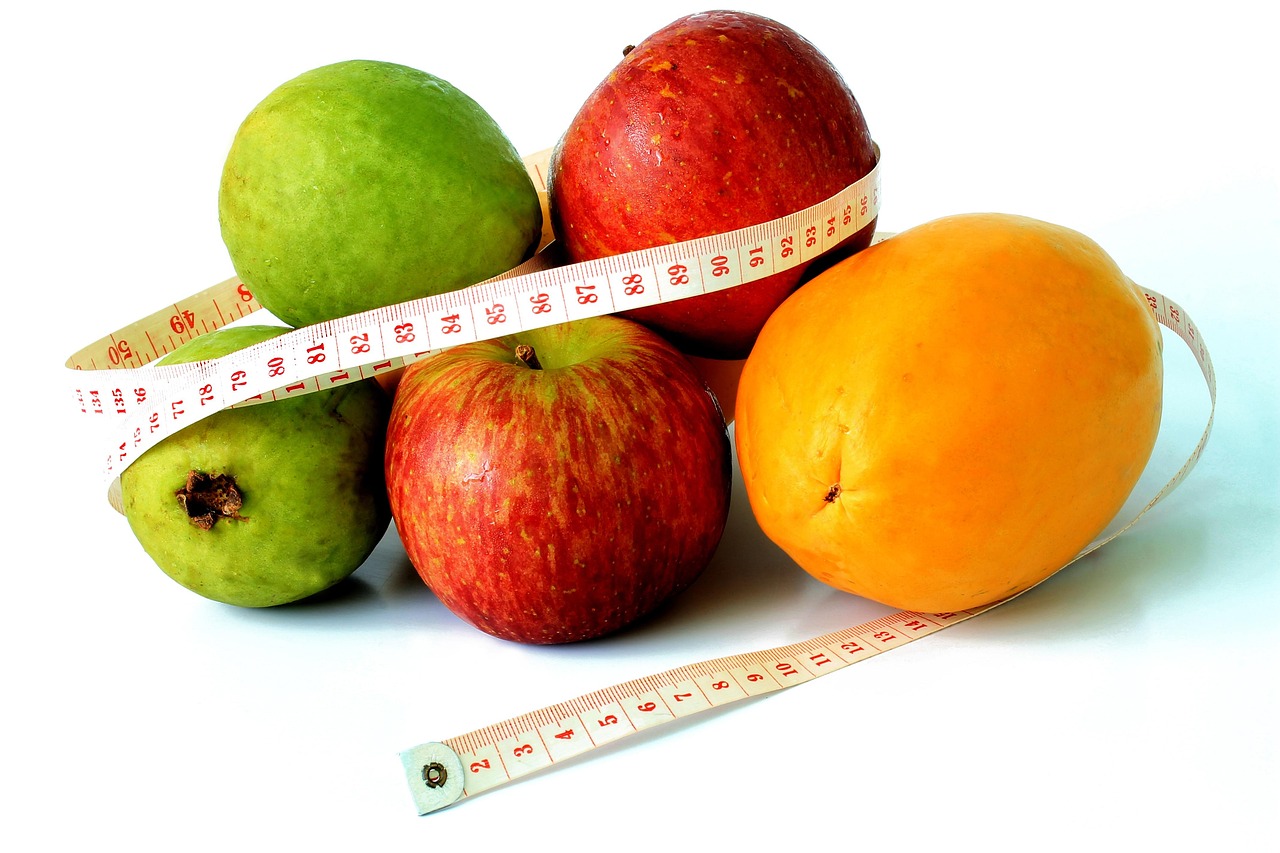

The Role of Fiber in Calorie Management and Satiety
Fiber is a key component in any successful weight loss and management plan. It plays a significant role in promoting fullness and managing calories effectively. When incorporated into meals, fiber can help slow digestion, allowing for a gradual release of energy rather than spikes that excite hunger. Foods rich in fiber include fruits, vegetables, whole grains, and legumes. Unlike low-fiber foods, these options contribute to lasting satiety, which ultimately reduces overall calorie intake. High-fiber diets have been shown to convey various health benefits, including better control of blood sugar levels and improved digestive health. To maximize the effectiveness of fiber in one’s diet, it’s crucial to focus on increasing fiber intake through whole foods rather than supplements. Gradually adding fiber-rich foods ensures optimal digestion and avoids discomfort. People often find that incorporating a variety of fiber sources not only aids in feelings of fullness but also creates diverse meal options. This approach can foster a sustainable and enjoyable diet, effectively supporting weight loss and management efforts over the long term.
How Fiber Affects Satiety
The physiological effects of fiber contribute significantly to its role in satiety. Soluble fiber, in particular, has the ability to absorb water, swelling up in the stomach and leading to a sense of fullness that can last several hours. This helps prevent excessive snacking and reduces the likelihood of mindless eating. Foods like oats and legumes are excellent sources of soluble fiber, making them valuable additions to breakfast and meals in general. Additionally, fiber-rich foods often require more chewing, which can further enhance the perception of fullness. Chewing stimulates salivation and digestive enzymes, enhancing the body’s signals about hunger. Some people find they are more satisfied with smaller portions when consuming high-fiber options, allowing them to enjoy their meals guilt-free. It is essential for individuals to be conscious of their fiber consumption within a balanced diet. Consuming an adequate amount of daily fiber in meals can promote long-term adherence to healthy eating plans. As a result, fiber not only contributes to weight loss efforts but also enhances overall meal enjoyment and satisfaction.
Combining fiber with other macronutrients can maximize its effectiveness in weight management. The synergistic effect of fiber with proteins and healthy fats can lead to increased satiety, thus suppressing hunger for longer periods. For instance, pairing a fiber-rich food like avocado with whole grain bread takes advantage of both healthy fats and fiber, promoting fullness. This combination encourages a balanced diet while optimizing calorie control during meals. It’s crucial to understand that a meal consisting solely of fiber can lead to digestive discomfort if not balanced with other nutrients. Exploring new recipes and meal combinations is a fun way to incorporate more fiber while still enjoying food. As a general guideline, including fiber in each meal allows one to maintain energy levels throughout the day, all while managing calorie intake. Individuals may also note that when they focus on fiber-rich meals, their cravings for unhealthy snacks diminish. Using this knowledge can guide meal planning and grocery shopping, ensuring that healthy choices remain at the forefront of one’s diet. By creatively combining fiber foods, individuals may discover new culinary favorites that aid weight management.
Types of Fiber
Fiber is often categorized into two primary types: soluble and insoluble. Both types play important roles in health, weight management, and satiety. Soluble fiber dissolves in water, forming a gel-like substance during digestion. This property helps stabilize blood sugar levels while promoting feelings of fullness. Foods rich in soluble fiber include oats, beans, apples, and chia seeds. Insoluble fiber, on the other hand, does not dissolve in water; it adds bulk to the digestive system and helps food pass through the digestive tract efficiently. It is found in whole grains, nuts, and most vegetables. Understanding the two fiber types can assist individuals in creating balanced meals. Ideally, a well-rounded approach to fiber intake should include both soluble and insoluble sources. For optimal benefits, individuals should aim for a daily fiber intake of 25-30 grams from various food sources. This can help improve digestion, support weight loss, and enhance overall health. Furthermore, diverse sources of fiber can add texture and flavor to meals, making healthy eating more enjoyable and satisfying over time.
Incorporating fiber into one’s diet doesn’t have to be a daunting task. Simple strategies, such as adding fruits and vegetables to meals, can significantly increase fiber intake. Meal-prepping fruits and veggies or even cooking extra portions of fiber-rich grains can aid in making healthier choices convenient. Another effective strategy involves substituting refined grains with whole grains whenever possible. For instance, choosing brown rice over white rice and whole-grain bread instead of white can result in a notable increase in fiber consumption. Additionally, snacks can be an area to incorporate more fiber as well. Foods like popcorn, raw fruits, and veggie sticks can serve as satisfying, high-fiber snacks that keep hunger at bay while minimizing calorie consumption. Leaving the skin on fruits and vegetables whenever appropriate also boosts fiber intake. Engaging in mindful eating practices, such as savoring each bite and focusing on flavors and textures, can enhance the dining experience further, contributing to a sense of satisfaction and fullness. Finding those strategies can make a significant difference in achieving weight loss and management goals.
Common Fiber-Rich Foods
Many everyday foods are excellent sources of fiber that can support calorie management. Some popular examples include beans, lentils, chickpeas, and various whole grains. Incorporating these ingredients into meals provides a significant boost in fiber content. Additionally, fruits like bananas, berries, and pears are delicious options that also add fiber. Nuts and seeds are packed with fiber and healthy fats, making them a fantastic addition to snacks or salads. Dark leafy greens, such as spinach and kale, are another powerhouse for fiber that can enhance various dishes. For those who enjoy breakfast, consider oatmeal or whole-grain cereals as starting points. Smoothies blended with spinach, kale, or berries can also deliver substantial fiber. By including a variety of these fiber-rich foods in daily meal plans, individuals can meet their fiber goals while enjoying diverse flavors. Stocking up on these ingredients can encourage experimentation in the kitchen. Adapting recipes to include fiber-rich options allows for increased satiety and calorie management, ultimately supporting weight loss efforts.
Staying consistent with fiber intake is vital for long-term success in weight loss management. Establishing routine consumption helps to create sustainable habits. Setting reminders or keeping a food diary can be beneficial in tracking daily fiber intake. Additionally, tuning in to the body’s hunger cues can help appreciate the role of fiber in satiety. Monitoring feelings of fullness throughout the day can guide individuals to assess their fiber consumption effectively. Over time, it becomes easier to identify what fiber-rich foods work best for each person’s preferences and lifestyle. Meeting regular fiber goals contributes not only to weight loss but also to improved overall health and well-being. By nurturing a positive relationship with food and understanding how fiber impacts health, individuals will likely find adherence to healthy habits becomes second nature. Community support can also be advantageous in fostering motivation. Engaging with friends and family about dietary goals can lead to accountability and shared experiences, ultimately enhancing the weight management journey. Emphasizing fiber intake will assist in achieving lasting weight control and satisfaction with meals.
Overall, understanding the crucial role fiber plays in calorie management and satiety can transform one’s approach to weight loss. By integrating fiber-rich foods thoughtfully into daily meals, individuals can enjoy satisfying meals while effectively managing calorie intake. Not only does fiber promote fullness and prevent overeating, but it also supports healthy digestion and metabolic function. Adopting a mindful mindset around fiber choices can ensure successful experiences in weight management. Through gradual adjustments and experimentation in the kitchen, individuals can discover personal fiber preferences, allowing sustainable changes to thrive. The journey of weight loss does not have to be restrictive or complicated; rather, it can be an enjoyable process. By leveraging fiber and its many advantages, achieving a balanced, nutritious diet becomes possible. Ultimately, individuals can foster a flexible mindset towards food while achieving their weight management goals successfully. Ultimately, integrating fiber into one’s lifestyle enhances the quality of nutrition and promotes enduring health benefits. Feeling satisfied and nourished every step of the way makes the journey more rewarding and enjoyable.