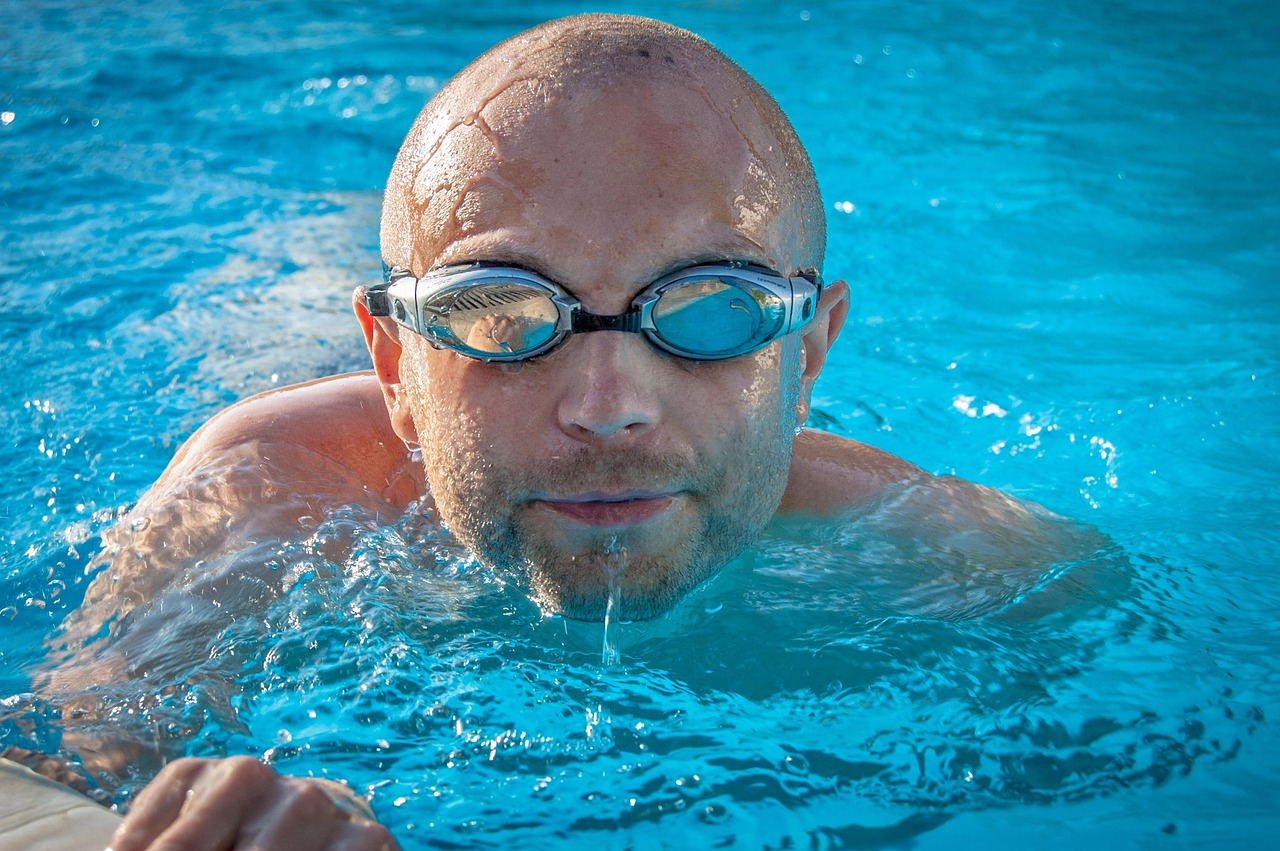

The Connection Between Swimming and Reduced Mental Fatigue
Swimming is often celebrated not only for its physical benefits but also for its positive impact on mental health. This aquatic activity can be a powerful tool in combating mental fatigue and enhancing emotional well-being. Engaging in swimming releases endorphins, which are hormones that promote feelings of happiness and reduce stress levels significantly. This aspect makes swimming an excellent option for those looking to alleviate mental fatigue. Additionally, the rhythmic nature of swimming strokes can create a meditative state, allowing swimmers to focus on their movements and surroundings. This practice of mindfulness helps in clearing the mind, reducing overwhelming thoughts that contribute to mental fatigue. Water also has a soothing effect, which can help to calm the nervous system. Furthermore, swimming can improve overall sleep quality, which in return boosts cognitive functions. Establishing a routine in swimming can also foster social connections, as swimming pools often serve as community hubs where individuals can meet and interact. The combination of physical activity, relaxation, and social engagement can all work together to significantly lessen feelings of mental fatigue.
The Psychological Benefits of Swimming
Engaging in regular swimming doesn’t just benefit the body; it has profound psychological advantages as well. Practicing swimming provides a sense of accomplishment, especially as individuals set and reach their swimming goals. These small successes can build self-esteem and confidence, countering the feelings of fatigue that arise from daily stresses. Research has indicated that individuals who swim regularly report lower levels of anxiety and depression. This decrease is attributed to both the physical effects of exercise and the mental engagement with water. The support of buoyancy in water offers relief from the physical burden and allows for movements that may not be possible on land. Social interactions developed during swim classes or clubs aid in providing a support network that fosters resilience against mental fatigue. Furthermore, the structure of swim training can instill discipline, translating into other areas of life. When individuals commit to a swimming regimen, they become more organized and may develop healthier lifestyles overall. This structured approach can help maintain mental health, as individuals learn coping mechanisms against daily life pressures that contribute to fatigue.
Among various forms of exercise, swimming is unique because it offers a multisensory experience. The sensations of water against the skin, the rhythmic sound of splashes, and the visual perspective of underwater views contribute to an immersive experience. This immersion can trigger a state that combines relaxation with alertness, promoting a sense of presence and tranquility. Studies indicate that being in water significantly decreases cortisol levels, a hormone often associated with stress. Lower cortisol levels can subsequently lead to a reduction in mental fatigue. As swimmers focus their attention on their strokes or breathing, they practice a form of active meditation. This focus on the present moment can shift attention away from stressors, diminishing their hold on behavior and emotions. In essence, swimming offers an innovative break from everyday distractions, making it easier to reset one’s mental state. Many swimmers have reported that they feel rejuvenated after a swim, attributing this boost to the serene environment and the physical effort involved. Ultimately, swimming not only contends with fatigue but also enriches one’s overall mental resilience.
Social Interaction and Mental Health
Swimming provides an opportunity for social interaction, which is crucial for mental health. Joining swimming classes or clubs can help individuals connect with like-minded individuals, leading to the establishment of friendships and support systems. These social bonds foster a sense of belonging, which can significantly alleviate feelings of loneliness and contribute to improved mental health. Interacting with others in a social setting encourages communication and sharing experiences, which can further reduce mental fatigue. Moreover, discussing challenges and achievements in swimming can lead to mutual encouragement and motivation. Being part of a community that values physical health can inspire healthier lifestyle choices and habits. Participating in events such as swim meets or charity swims provides added motivation. Shared experiences strengthen connections and create networking opportunities. Such environments can boost morale and create enduring friendships. When individuals swim together and cheer for one another, it cultivates an encouraging atmosphere. This camaraderie can emerge as a significant protective factor against the onset of mental fatigue, nurturing emotional resilience through shared achievement and experience.
Moreover, the environment in which one swims has a notable influence on mental health. Natural bodies of water like lakes and oceans, for instance, enhance feelings of relaxation and wellbeing. Studies have shown that spending time in nature significantly lowers stress levels, which further addresses mental fatigue. Swimming outdoors in natural settings combines the benefits of water with the healing effects of nature. Such interactions can have rejuvenating effects and clear mental clutter effectively. The aesthetic appeal and tranquility of natural water environments often foster contemplation and reflection, aiding in personal growth. Notably, breathing in clean, fresh air while swimming outside also contributes to physical and mental rejuvenation. Furthermore, exercising in outdoor environments tends to elevate mood, which combats feelings connected to mental fatigue indirectly. Just as in gyms, the ambiance of a swim pool can influence motivation and mood for swimmers. Ensuring a positive and inspiring atmosphere where people enjoy swimming can increase their engagement and commitment to swimming activities. Consequently, this leads to long-term benefits for mental health and resilience against fatigue.
Building a Sustainable Swimming Habit
Creating a sustainable swimming habit requires commitment and motivation, which can considerably benefit mental health. Individuals can begin by setting realistic swimming goals that take into account their preferences, schedules, and fitness levels. These objectives can serve as inspiring milestones that help reduce the overwhelming burden of fatigue. Once a baseline is established, incorporating swimming sessions into a weekly routine can create a much-needed structured period for relaxation and enjoyment. Consistency is key; by making swimming a regular activity, individuals can simultaneously bolster mental wellness. Varying the types of swimming workouts, from lap swimming to water aerobics, can also keep the routine fresh and stimulating. Exploring different swimming venues may introduce more excitement into the practice, while engaging with different aquatic communities can enhance social bonds. Substantial engagement in swimming not only serves the purpose of physical activity but also creates opportunities for mental rejuvenation. Alongside physical benefits, swimming provides a refreshing outlet where individuals can explore and fulfill emotional needs. A sustainable swimming habit nurtures both body and mind in the pursuit of improved overall wellbeing.
In conclusion, the connection between swimming and reduced mental fatigue is evident through various physiological and psychological benefits. As a unique exercise form, swimming caters to the desire for physical activity while simultaneously fostering mental health. By alleviating symptoms of stress and anxiety, swimming creates a positive feedback loop, improving one’s quality of life. The combination of socialization, mindfulness, and connection with nature further enhances the positive effects swimming has on mental well-being. It is an accessible exercise that can be practiced at varying skill levels and ages, making it a fantastic option for many individuals. The holistic improvements associated with swimming suggest that it can serve as an effective complementary practice for those facing mental fatigue. Adopting a swimming habit can promote social connections and give individuals a supportive framework as they navigate life’s challenges. For anyone seeking ways to enhance their mental health, swimming presents a remarkable opportunity to engage physically and emotionally. Therefore, individuals are encouraged to take the plunge and harness the benefits that swimming provides.