
The Science Behind Gut Health and Mental Wellbeing
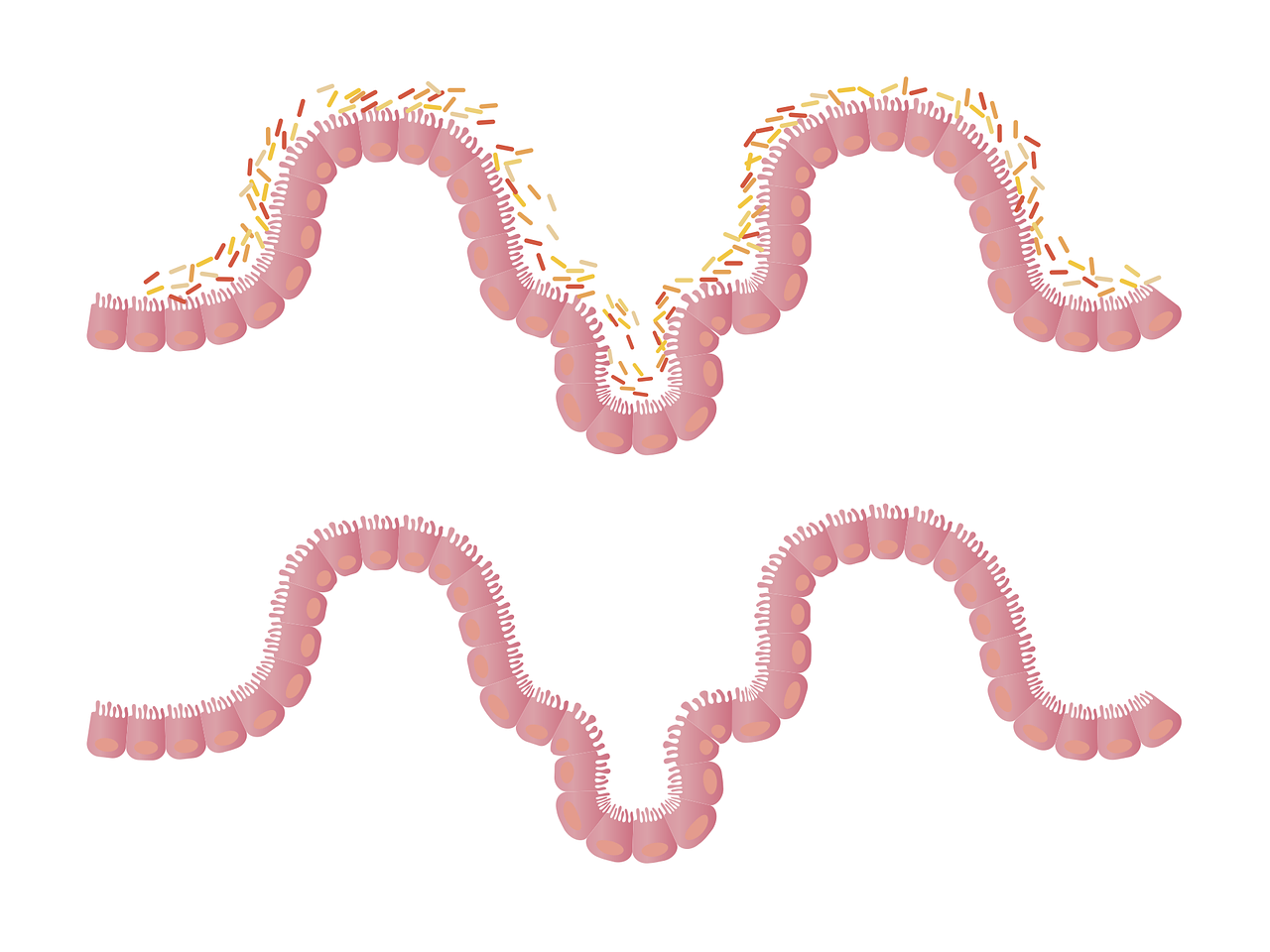
Gut health plays a crucial role in not only our physical health but also in our mental wellbeing. Recent research has shown a strong connection between the gut and brain, often referred to as the gut-brain axis. The gut microbiome, which comprises trillions of microorganisms, influences various functions, including digestion, immunity, and mood regulation. An imbalance in gut bacteria can lead to health issues such as anxiety and depression. Studies indicate that a healthy diet, rich in fiber and fermented foods, can promote beneficial bacteria, which may, in turn, enhance mental health. Probiotics and prebiotics are essential components of this balance, helping to maintain harmony within the digestive system. By nurturing our gut health, we potentially improve our overall emotional and psychological wellbeing. Understanding the mechanisms behind these connections provides valuable insight into how we can utilize diet and lifestyle changes to support both gut and mental health. Continued research in this area will allow us to develop targeted therapies that address not only gastrointestinal disorders but also mental health issues, demonstrating the importance of overall wellness.
Understanding how gut health affects mental wellbeing involves recognizing the role of neurotransmitters. The gut produces up to 90% of serotonin, a neurotransmitter crucial for regulating mood and emotional balance. When gut bacteria thrive, they promote serotonin production, leading to enhanced mood and reduced anxiety levels. Conversely, a disrupted microbiome can impair serotonin synthesis, exacerbating mental health issues. Studies have found that individuals with depression and anxiety often have altered gut microbiomes compared to healthy individuals. Consequently, addressing gut health through dietary interventions may provide new avenues for managing these conditions. Incorporating foods like yogurt, kimchi, and sauerkraut can introduce beneficial bacteria to the gut ecosystem. Additionally, a fiber-rich diet supports the growth of these probiotics, fostering a robust microbiome. This relationship underscores the significance of nutrition in modern psychiatry and reinforces the need for a holistic approach to mental health treatment. Practitioners are increasingly recognizing the importance of gut health in their assessments and treatment plans, making it essential to consider living conditions as well as lifestyle choices in improving overall mental wellness.
Exploring the Mechanisms of the Gut-Brain Connection
Several mechanisms underlie the gut-brain connection, emphasizing the intricate relationship between gut health and mental wellbeing. One such mechanism involves the production of short-chain fatty acids (SCFAs) by gut bacteria during the fermentation of dietary fibers. These SCFAs, including butyrate, acetate, and propionate, possess anti-inflammatory properties that can directly affect brain function. Inflammation in the brain is linked to many mental health disorders, so reducing systemic inflammation through SCFAs may mitigate these risks. Furthermore, the vagus nerve, which connects the gut and brain, serves as a critical communication pathway. It transmits signals and informs the brain about the state of the gut microbiome, influencing mood and behavior. Gut bacteria can also affect the production of inflammatory markers and subsequently alter neurotransmitter levels, demonstrating their impact on brain health. By understanding these pathways, researchers seek to devise targeted treatments that can improve gut health and, by extension, mental health. Consequently, maintaining a balanced and diverse gut microbiome becomes integral in addressing mental health concerns for people of all ages.
Dietary choices significantly impact gut health and mental wellbeing. Emphasizing a diet rich in whole foods, particularly those high in fiber, supports gut flora diversity, crucial for good health. Foods like fruits, vegetables, whole grains, legumes, and nuts should form the foundation of a healthy diet. These foods not only provide essential nutrients but also act as prebiotics that nourish beneficial gut bacteria. In addition to dietary choices, lifestyle factors such as stress management, regular exercise, and sufficient sleep play vital roles in maintaining gut health. Studies indicate that chronic stress can disrupt gut function, leading to dysbiosis, which can further exacerbate mental health issues. Incorporating mindfulness practices, such as yoga or meditation, can help manage stress and support gut health. Establishing a routine that prioritizes both physical and mental well-being can lead to significant improvements in overall quality of life. Understanding the multifactorial nature of gut health emphasizes the need for comprehensive approaches to health, providing individuals with the tools needed to achieve optimal wellness through informed lifestyle choices.
Probiotics: A Key to Mental Wellness
Probiotics represent an essential tool in improving gut health and, as a result, mental wellbeing. These beneficial bacteria are found in various fermented foods and supplements and have been shown to enhance gut microbiome diversity. Numerous studies support the role of probiotics in alleviating symptoms of anxiety and depression. One significant finding was that individuals consuming probiotics reported lower levels of stress and improved overall mood. These microorganisms work by influencing the gut-brain axis, enhancing the production of neurotransmitters and reducing inflammation. Notably, the consistency and strain of probiotics matter; different strains can have varying effects on mental health. To maximize these benefits, it’s crucial to choose high-quality probiotic supplements or incorporate naturally fermented foods into the diet. Foods like kefir, sauerkraut, and kombucha offer not just probiotics but also vitamins and minerals that support overall health. However, it is important to consult with healthcare professionals before beginning supplementation, especially for individuals with specific health conditions. Research continues to explore the extent of probiotics’ role in mental health, further highlighting their significance in holistic health strategies.
In addition to probiotics, prebiotics are vital for maintaining gut health and mental wellbeing. Prebiotics, non-digestible fibers, feed the probiotic bacteria already present in the gut. They help promote the growth of these beneficial microorganisms, supporting a healthy microbiome. Foods high in prebiotic fiber, such as garlic, onions, bananas, and asparagus, should be included in daily diets. A balanced intake of both prebiotics and probiotics is fundamental for optimizing digestive health and consequently enhancing mental wellbeing. Research suggests that a diverse microbiome increases resilience against stress and can positively influence mood-regulating pathways. Moreover, the combination of prebiotics and probiotics can lead to synergistic benefits, creating a favorable environment for gut microorganisms. Individuals experiencing mental health issues are encouraged to consider their fiber intake and possible adjustments to bolster gut health. Ongoing research seeks to deepen our understanding of the interactions between prebiotics, probiotics, and mental health, potentially unveiling new treatment strategies. By tailoring dietary choices, individuals can create favorable conditions for gut microbiota, leading to improved mental health outcomes and overall wellness.
Holistic Strategies for a Healthier Gut and Mind
Integrating holistic approaches to promote gut health and mental wellbeing is increasingly recognized as essential. Factors such as diet, exercise, sleep, and stress management contribute significantly to this balance. Developing routines that encompass all these elements can enhance one’s quality of life. Regular physical activity has been linked to improved gut health, as exercise is known to stimulate the production of beneficial microbiota. Incorporating mindfulness practices, like deep breathing and meditation, can help mitigate stress, which often negatively impacts gut function and mental health. Additionally, prioritizing sufficient sleep is crucial for maintaining hormonal balance and reducing inflammation throughout the body. A well-rounded approach ensures that the gut and mind are nurtured, ultimately promoting a harmonious relationship between the two. Support from healthcare providers or nutritionists can further assist individuals in developing personalized strategies that address unique needs and concerns. By committing to holistic health strategies, individuals are empowered to take control of their mental and physical wellness, reaping the numerous benefits of optimal gut health.
Ultimately, understanding the connection between gut health and mental wellbeing provides valuable insights for enhancing overall health. As research continues, the impact of gut microbiota on psychological conditions is becoming increasingly clear. By emphasizing a balanced diet, regular physical activity, stress management, and sleep, individuals can create supportive environments for both their gut and mind. Acknowledging the importance of nutrition in mental health management reinforces the necessity of addressing both aspects holistically. Practitioners are encouraged to adopt integrative approaches that consider gut health when addressing psychological concerns. Continued exploration of gut-brain interactions will pave the way for innovative therapies in mental health care. The future of medicine may very well involve customizing treatments that target both the gut and mind, providing individuals with comprehensive solutions for their health challenges. In conclusion, promoting gut health not only fosters better physical health but also contributes to improved mental wellbeing, fundamentally shaping our overall quality of life. By adopting these principles and prioritizing gut health, individuals can cultivate both resilience and vitality, ensuring they are better equipped to navigate life’s challenges.