
Bodyweight Exercises for Volleyball Players: Strength Without Equipment
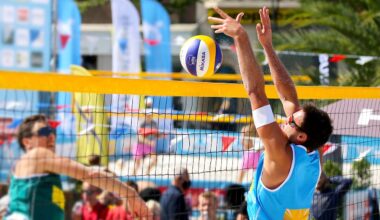
Volleyball players require exceptional strength and conditioning to perform at their best. Bodyweight exercises offer a practical solution, allowing athletes to enhance their physical capabilities without needing any equipment. These exercises utilize the individual’s weight for resistance, making them accessible for anyone, anywhere. Not only do they build strength, but they also enhance stability and agility, crucial for volleyball performance. Incorporating a variety of movements targeting different muscle groups ensures comprehensive conditioning. Effective bodyweight moves include push-ups, squats, and lunges. These can be modified to increase difficulty as players progress. Jumping exercises, like squat jumps, improve explosive strength necessary for powerful spikes and blocks. Additionally, core workouts, including planks and mountain climbers, boost overall body control. For volleyball players, injury prevention is paramount, and strong muscles help support joints during play. Therefore, integrating a consistent bodyweight training routine can significantly boost a player’s overall performance. This training method is highly adaptable, fitting into any schedule and requiring no gym membership fees. Overall, it enables athletes to stay agile while preparing their bodies for the physical demands of volleyball.
A well-rounded bodyweight training program should include exercises for upper body, lower body, and core strength. Upper body exercises such as push-ups and dip variations improve arm and shoulder strength, which are essential for effective serves and spikes. For the lower body, squats and lunges develop explosive power for jumping and quick lateral movements on the court. Engaging in these exercises regularly prepares players for the tension experienced during matches. Moreover, exercises like giving tricep dips on a stable surface optimize overhead ability, allowing players to ace those game-winning serves. Core workouts, including bicycle crunches and side planks, contribute significantly to better balance and stability, important traits for success in volleyball. Balance boards or stability balls can also be incorporated for added challenge. Repetition and variations keep the training engaging and prevent athletes from plateauing. Coaches often suggest circuit training, blending several exercises with minimal rest between them. This method replicates match conditions, promoting endurance and stamina. Therefore, by focusing on a systematic approach to bodyweight training, volleyball players can maximize their potential and physically prepare for the competition ahead.
The Importance of Lower Body Strength
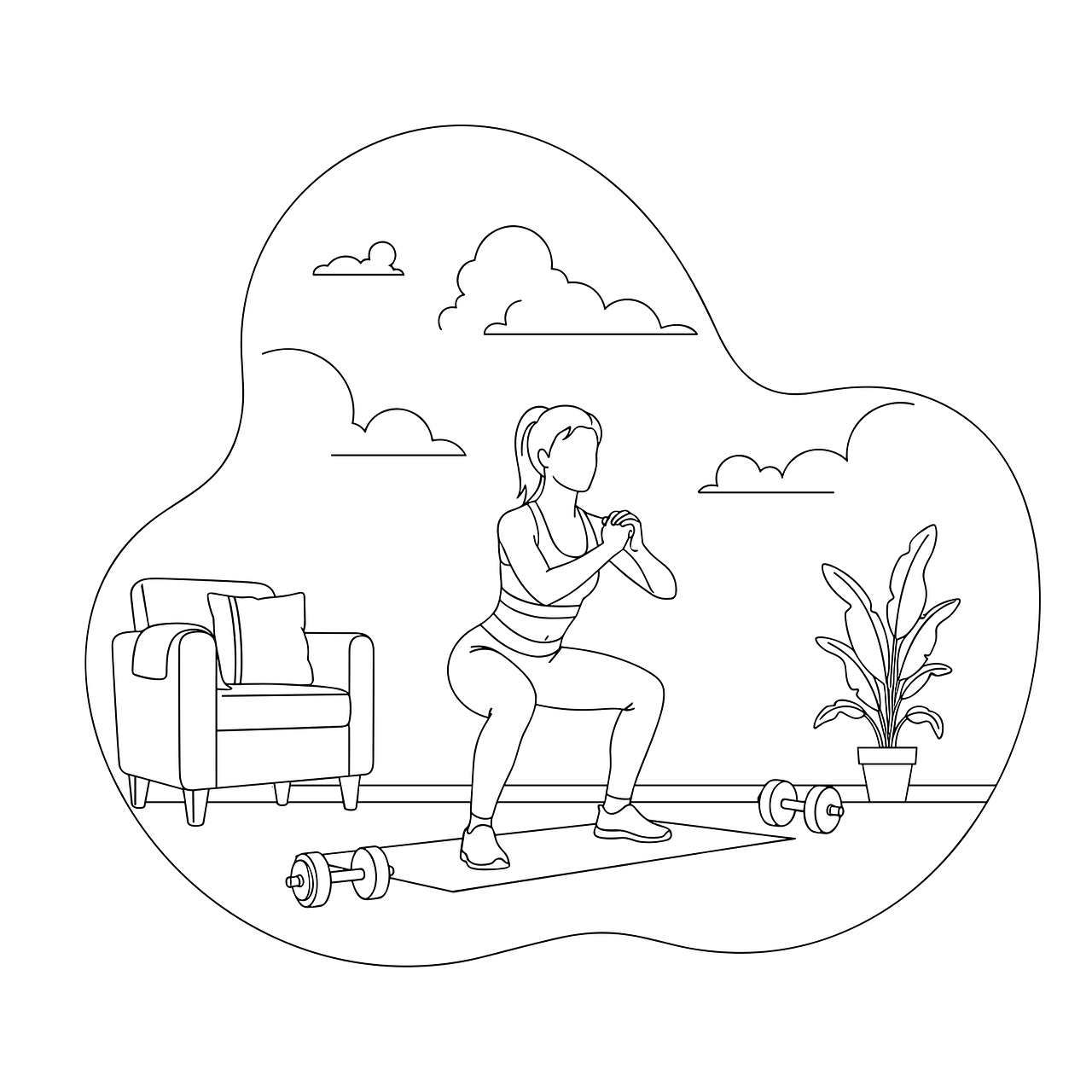
The lower body is where volleyball players derive their power, making lower body strength critical. Exercises that focus on the legs significantly enhance jumping ability and speed on the court. Plyometric exercises like squat jumps and tuck jumps build explosive strength by engaging essential muscle fibers in a fast-twitch manner. Regular performance of lunges and leg lifts with form reinforces muscle endurance, which contributes to sustained energy during long matches. Jumping exercises work in synergy with strength conditioning, ensuring players can efficiently return to their feet for subsequent plays. A well-developed lower body allows players to accelerate quickly in any direction, essential for both attacking and defending. Additionally, improving leg strength can lead to better landing mechanics, reducing the risk of injuries commonly associated with volleyball. Strengthening the calves and quadriceps through bodyweight variations increases overall agility. Incorporating various forms of step-ups and box jumps into the workout regimen can further enhance strength and coordination. This targeted training approach results in more powerful plays and ultimately contributes to developing well-rounded athletes ready for professional-level competition.
A strong core is not only vital for stability and balance but also supports all other movements in volleyball. Core-strengthening exercises engage the abdominal muscles and lower back, promoting proper posture and form while on the court. Simple bodyweight movements such as crunches, leg raises, and planks can significantly improve core strength. These exercises train the stabilizing muscles surrounding the spine, essential for averting potential injuries. Furthermore, core workouts can enhance rotational strength, allowing players to execute well-timed turns and strikes. Engaging the obliques with side crunches or Russian twists increases the rotational power needed for effective serving. Maintaining this core strength not only promotes better balance but also facilitates more powerful movements during play. By implementing core exercises consistently, athletes can maximize their performance, producing more explosive jumps and generating additional swing from their shoulders. Time-efficient workouts can be arranged, incorporating high-intensity intervals that pair core exercises with agility drills. This not only boosts strength but also elevates cardiovascular fitness, preparing players for demanding volleyball scenarios. Ultimately, focusing on core engagement creates a strong foundation, thus enhancing overall athletic proficiency in volleyball.
Upper Body Strength for Powerful Serves
Upper body strength is equally beneficial for volleyball, as it is crucial in executing serves and spikes effectively. Bodyweight exercises like push-ups and tricep dips target the arm and shoulder muscles needed for accurate and powerful hits. To increase the difficulty of push-ups, athletes can vary their hand position or elevate their feet, pushing their limits further. Implementing these exercises in a targeted upper-body routine allows for significant strength improvement over time. Additionally, resistance movements such as shoulder taps during planks help engage various muscle groups simultaneously. Strong shoulders aid in performing overhead shots efficiently, contributing to effective game strategies. Bodyweight exercises can build endurance, enhancing players’ ability to maintain fast-paced plays without succumbing to fatigue. Engaging the chest and back muscles improves stability while attacking at various angles during gameplay. Therefore, volleyball players must prioritize upper body conditioning as an integral part of their training regimen. Developing a strong upper body through bodyweight exercises ultimately fosters skills that lead to success during matches. This targeted focus not only improves performance but also builds confidence during competitive play.
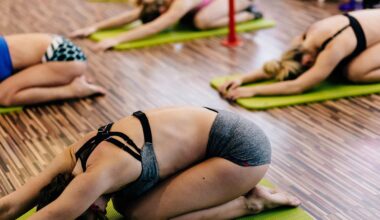
Incorporating flexibility training is an overlooked aspect in most athletes’ regimes. Increasing flexibility not only enhances range of motion but also aids in muscle recovery. Stretching elements should be included within bodyweight workouts to prevent stiffness after intense sessions. Consistently practicing stretches such as toe touches, arm swings, and hip openers fosters better outcomes in functionality and movement. Furthermore, incorporating yoga poses can also significantly elevate balance and core stability. Being flexible plays a pivotal role in preventing injuries associated with volleyball, such as sprains or strains. Flexibility boosts the ability to execute quick directional changes or maintain stability during diving for the ball. Thus, regular incorporation of yoga stretches into a workout routine creates a comprehensive training environment for volleyball players. This holistic approach encourages agile movements to coincide with strength-building exercises. Integrating steady-state stretching between workouts not only maintains muscle elasticity but also promotes relaxation. Many athletes find that enhancing flexibility complements the explosive power derived from bodyweight training. As a result, focusing on flexibility alongside strength enables players to function with an all-encompassing athletic development.
Overall, bodyweight exercises provide volleyball players with an effective method to enhance their strength without needing any equipment. These exercises contribute significantly to building power, agility, and endurance, which are all vital for success in volleyball. The convenience factor cannot be overstated; workouts can be performed anywhere, whether at home, a park, or a gym, allowing for uninterrupted training schedules. Players can tailor their routines to fit personal needs and abilities, creating a sustainable approach to fitness. Commitment to bodyweight training improves not only physical attributes but also fosters mental resilience and discipline. Incorporating various exercises guarantees a well-rounded strength-building program, focusing on all muscle groups. This training cultivates skills that translate directly to improved on-court performance. By consistently executing these bodyweight exercises, volleyball players can maintain their fitness levels throughout the season. Moreover, increased strength reduces injury risks and enhances overall athletic performance. Sustaining a regimen of bodyweight exercises strengthens a player’s foundation for achieving long-term goals in volleyball. Thus, committing to strength and conditioning through bodyweight workouts serves to elevate individual abilities and team performance.
In conclusion, athletes can realize significant benefits from integrating bodyweight exercises into their volleyball training programs. Not only are they effective for building strength, but they also promote physical awareness and balance, necessary for executing advanced plays. As individuals explore new bodyweight drills, they expand their repertoire, making workouts more engaging and enjoyable. Consistency is crucial; therefore, athletes should incorporate these routines into their daily lives. A well-structured plan that includes a variety of exercises will transform players’ conditioning levels. Collaborating with coaches can also help athletes refine their techniques and ensure that their efforts target the appropriate muscle groups. Emphasizing the importance of proper form throughout each exercise further promotes safety. Additionally, recovery strategies should be introduced, including hydration and nutrition guidance, to complement these physical efforts. Players should also remain mindful of their progress, allowing them to adapt workout intensities accordingly. Bodyweight training creates a unique opportunity for volleyball players to take control of their strength and conditioning journey. Ultimately, with the right mindset and dedication, athletes can unlock their full potential and experience enhanced performance in their volleyball careers.