
Stress Induced by Media and Public Attention in Professional Athletes
In modern sports, professional athletes face immense scrutiny from the media, which can lead to substantial stress. This scrutiny often manifests as an overwhelming pressure to perform consistently. Factors contributing to this pressure include social media, constant news coverage, and extensive fan engagement. Athletes find themselves in the spotlight, where every action, whether on or off the field, is analyzed. This environment can create feelings of insecurity and anxiety, leading to a detrimental impact on their mental health. The unrealistic expectations set by fans and media contribute significantly to this burden. The notion of being a role model adds further pressure, as athletes often feel compelled to uphold a particular image. Additional stress arises from the inability to escape this public attention, as it permeates their everyday lives. For many professionals, the constant media presence makes it challenging to find moments of solitude. The combination of public and media pressure not only affects their performance but also leads to burnout. Therefore, understanding these dynamics is crucial in addressing athletes’ mental health challenges in today’s sports landscape.
One significant aspect of the stress induced by media attention is the nature of competitive sports itself. Professional athletes are regularly pushed to achieve high standards, which may seem unattainable. The pervasive media presence exacerbates this pressure, leading to what many athletes describe as an intense psychological burden. The demands of training, coupled with the expectation to excel under scrutiny, can culminate in performance anxiety. This anxiety can be debilitating, as athletes constantly worry about disappointing fans, coaches, and peers. Furthermore, media narratives often emphasize the need for perfection, making it difficult for athletes to view mistakes as part of the learning process. Social media amplifies this pressure, as platforms allow instant judgment and feedback from millions. Athletes may find themselves trapped in a cycle where they feel compelled to showcase a flawless persona. Instead of celebrating achievements, media emphasis often shifts to failures, which can deepen an athlete’s sense of inadequacy. This negative reinforcement can lead to unhealthy coping mechanisms, including substance abuse or withdrawal from sports altogether. Recognizing and addressing these pressures is essential for fostering a supportive environment that prioritizes athletes’ mental well-being.
Impact of Social Media on Athletes
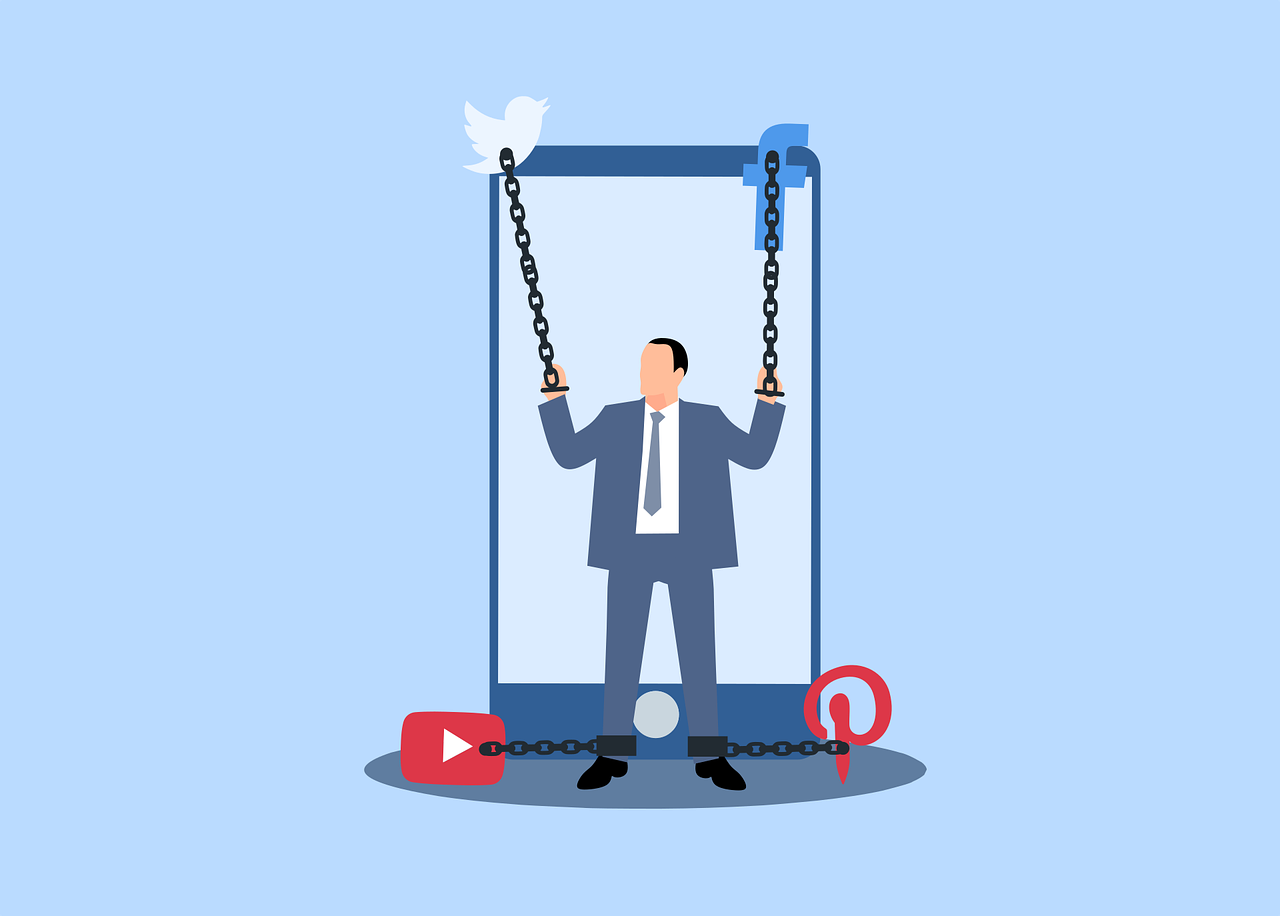
Social media has transformed how athletes interact with their fans and the broader public, yet it has also introduced new stressors into their lives. Platforms such as Twitter, Instagram, and Facebook enable athletes to communicate directly with fans, but this direct access does not come without its complications. Engaging with a large audience requires constant attention to personal branding, which can feel overwhelming. Negative comments and trolling from fans can increase feelings of inadequacy and stress. Athletes frequently experience cyberbullying, often targeting personal aspects of their lives that should remain private. This level of public exposure can create anxiety and make it challenging for athletes to maintain their mental health. Moreover, the perceived need to present a perfect life online can lead to stress as athletes attempt to align their reality with the idealized versions shared on social media. The pressure to continue garnering likes and positive feedback can create a vicious cycle that further harms their self-esteem. Understanding the dual nature of social media is essential for athletes to develop healthier online habits while managing their public personas effectively.
The role of sports agents and public relations professionals is increasingly prominent in the lives of professional athletes. These individuals often manage media interactions and public image, aiming to reduce stress and protect athletes from the overwhelming attention they face. However, this reliance can come with its own set of pressures. Professional athletes may feel torn between following their agents’ advice and staying true to themselves. The pressure to adhere to a specific public image can conflict with their personal values, leading to internal stress and frustration. Athletes often find themselves navigating the delicate balance between personal authenticity and public expectation. Additionally, the agents’ focus on maximizing profitability can sometimes oversimplify the complexities of an athlete’s mental health needs. While having support is invaluable, there remains the risk of commodifying athletes’ mental states rather than addressing individual concerns. This situation calls for a framework that prioritizes mental health alongside public image, allowing athletes to navigate their careers with a supportive environment focused on individual well-being rather than solely financial gain.
The Pressure of Role Models
With the massive fanbase that most professional athletes enjoy, they are often seen as role models. This designation can induce a significant amount of stress since athletes might feel compelled to exhibit behaviors that align with societal expectations. The reality is that athletes are human beings, subject to the same emotions and vulnerabilities as everyone else. The pressure to lead by example can lead to feelings of inadequacy when they fail to meet these expectations. This often includes handling issues such as mental health, substance abuse, or personal struggles in the public eye. Fans and media can quickly forget the human aspect of these athletes, focusing instead on their performance. This disconnect can exacerbate feelings of loneliness and isolation, as athletes may struggle to find genuine support. The burden of representation can also prevent athletes from expressing their true selves, adding an additional layer of stress. Realizing that public persona can be detached from personal feelings highlights the complexities of being a role model while navigating pressures from their fans and the media.
In light of these challenges, addressing the mental health impact of media and public attention is essential for professional athletes. It is crucial for sports organizations to implement mental health programs that provide psychological support and coping strategies. These programs can help athletes manage stress, particularly in relation to media scrutiny, and build resilience. Moreover, encouraging open conversations about mental health can reduce stigma and help destigmatize the challenges athletes face in their careers. Athletes should know that seeking help is not a sign of weakness but an important step toward maintaining mental well-being. Peer support groups can be useful, allowing athletes to connect with others who understand their experiences. Establishing a culture that values mental health is essential, as it creates a healthier environment for athletes to thrive. Additionally, media literacy training for athletes can equip them with tools to navigate their public personas effectively and respond to online negativity. By prioritizing mental health, sports organizations can ensure that athletes have the support needed to manage stress and achieve their potential both on and off the field.
Conclusion: The Need for Change
The landscape of professional sports is continuing to evolve, highlighting a critical need for change concerning mental health and media scrutiny. As the pressures surrounding professional athletes increase, so too should the support systems in place to assist them. A collective effort from leagues, teams, agents, and the media itself is essential to create an environment that respects the mental well-being of athletes. This includes creating policies that prioritize mental health awareness and education. Continuous training for media professionals on the impacts of their coverage can help mitigate the harmful effects of excessive scrutiny on athletes. Encouraging transparency and vulnerability among athletes can also lead to a healthier dialogue about mental health issues and experiences. Ultimately, these changes are vital not just for the athletes but for the integrity of sports as a whole. Healthy athletes are more likely to perform at their best, and a supportive environment fosters a culture of respect and understanding. By working collaboratively to address these stresses, we can create a world of professional athletics that prioritizes mental health alongside performance and public engagement.
In summary, professional athletes today face daunting levels of stress, often stemming from media and public attention. The intense scrutiny they undergo can lead to various mental health struggles, including anxiety and depression. As public figures, athletes constantly grapple with the pressures of being role models while trying to navigate their personal feelings and experiences. Acknowledging the nuances of this situation is critical for fostering a supportive atmosphere that prioritizes athletes’ mental well-being. Change is necessary to reshape the narrative around mental health and encourage athletes to seek help when needed. Establishing robust support systems, promoting open dialogues, and providing education about mental health are fundamental components of this effort. Sports organizations must lead the charge, ensuring a comprehensive approach that bridges the gap between performance expectations and mental health support. Ultimately, the quest for balance is essential in the ongoing journey of every athlete striving to excel in their respective sports while maintaining their mental health. The path forward depends on systemic changes, ongoing awareness, and a commitment to nurturing individuality against the backdrop of public expectation. Together, we can create a healthier future for professional athletes.