
Psychological Effects of Online Fan Engagement on Athletes
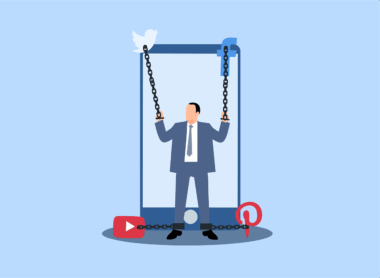
Social media has revolutionized the way athletes interact with their fans, providing new platforms for engagement. Athletes can now share their daily lives, training routines, and thoughts directly with their audience. While this direct engagement offers benefits, it also brings a new set of challenges. Positive interactions, such as supportive comments, can boost an athlete’s mood and confidence. However, negative comments can lead to increased anxiety, depression, and feelings of inadequacy. The duality of social media engagement significantly impacts an athlete’s mental health. The pressure to maintain a positive image online can become overwhelming, often leading to self-doubt. Research indicates that athletes who spend considerable time on social media may experience higher rates of mental health issues. This highlights the need for psychological support tailored to the unique challenges of online presence. Coaches, sports psychologists, and organizations must address these challenges in their training regimens. Balancing social media engagement is crucial for athletes’ mental well-being, enabling them to thrive in competitive sports while managing the psychological repercussions of their online involvement. Ultimately, the influence of social media cannot be underestimated in shaping athletes’ mental landscapes.
The Positive Aspects of Online Engagement
Despite the inherent risks, online fan engagement does possess numerous positive aspects, particularly concerning athlete mental health. Social media can provide a sense of community and belonging that is often crucial for athletes, especially those who experience isolation due to intense training schedules. Engaging with fans creates an avenue for positive feedback and encouragement, which can significantly enhance an athlete’s self-esteem and motivation. Many athletes report feeling more connected to their fan base than ever before, as social media allows them to share their journeys and successes in real-time. The immediate praise from fans can serve as a powerful motivator, reinforcing an athlete’s commitment to their sport. Furthermore, platforms like Instagram and Twitter allow athletes to raise awareness for mental health issues, thus promoting open conversations. When athletes share their vulnerabilities, it normalizes struggles and fosters supportive discussions around mental health. This can inspire fans and fellow athletes alike to reach out for help when needed. Therefore, while social media can be stressful, it also offers essential support mechanisms that contribute positively to an athlete’s mental resilience.
Another significant concern is how the pressure of online engagement can lead to detrimental mental health outcomes. Athletes are often put under significant scrutiny, and the immediate feedback they receive can heavily influence their self-perception. Negative comments, harassment, or even unrealistic expectations can foster an unhealthy mindset. The psychological toll can manifest in various ways, including anxiety and depression. Athletes may feel compelled to present an idealized version of themselves to appease fans, leading to increased stress. Moreover, the fear of judgment for their performance on social media platforms often exacerbates feelings of inadequacy. To combat this, athletes should develop healthy coping strategies to manage online pressure. This includes focusing on positive interactions and filtering out negativity. Training with sports psychologists can empower athletes to navigate these challenges effectively, emphasizing resilience and self-compassion. They need to learn that they are more than their online personas. Developing a balanced relationship with social media is paramount, allowing them to thrive both on and off the field. Therefore, addressing these psychological pressures is a significant part of managing athletes’ overall well-being.
Social Media and Team Dynamics
Social media also significantly impacts team dynamics and athlete relationships. While it can foster unity and collaboration, it can also create rifts when engaged with improperly. Athletes often share insights into their training and personal lives, enhancing camaraderie and team spirit when they celebrate accomplishments. However, if some players engage more than others or receive differing levels of attention from fans, it can lead to feelings of exclusion. Team cohesion relies on mutual support, especially in high-pressure sports environments. Furthermore, the visibility of team performance on social media can exacerbate tensions after losses or poor performance. Individual athletes might feel personally responsible for negative feedback directed towards the team. Addressing these issues is crucial for maintaining a healthy team environment. Coaches play a vital role in facilitating open communication, ensuring athletes feel supported. Encouraging team discussions about social media experiences can be instrumental in addressing concerns and fostering a positive team atmosphere. By engaging together, teams can mitigate the potential negative effects of social media, maintaining unity and collaboration while navigating the complex digital landscape.
Coping with social media pressures requires a concerted effort from stakeholders in sports, including coaches, trainers, and psychologists. Implementing educational workshops on healthy social media practices can significantly aid athletes in managing their online presence. Athletes should be equipped with tools to assess the emotional impact of their engagements freely. This can include limiting exposure to negative comments and learning methods to engage positively with fans. Sports organizations are increasingly recognizing the need for mental health resources tailored to social media challenges. Creating mental health support networks within teams can help athletes discuss their experiences collectively. Continued research into the psychological effects of social media on athletes is necessary to adapt support strategies effectively. These resources should address individual vulnerabilities while promoting resident strategies for athletes facing online scrutiny. It’s vital to instill the idea that online critiques do not determine one’s worth as an athlete. In doing so, athletes can maintain their passion for the sport while managing external pressures. A proactive approach can empower them to define their paths, ultimately leading to improved mental resilience and performance.
The Future of Sports Psychology
As social media continues to evolve, so too will the landscape of sports psychology. The ongoing integration of technology into athletic training presents opportunities and challenges that require adaptive strategies. Current trends indicate a growing awareness of mental health issues, encouraging athletes to prioritize self-care alongside physical training. The future will likely see more organizations investing in mental health experts to create comprehensive support systems for athletes. Moreover, the emergence of tools such as mindfulness applications and virtual therapy platforms allows athletes to access mental health resources easily and effectively. By fostering a culture that prioritizes mental health, athletes can develop skills and resilience strategies necessary in the digital world. Encouraging athletes to cultivate a strong personal identity independent of social media perceptions will be pivotal. This shift will allow them to engage meaningfully with fans while safeguarding their mental health. Coaches and trainers must adapt to these changes, integrating mental wellness practices into training regimes. The direction of sports psychology will undoubtedly be shaped by the dynamic relationship between athletes and their online environments, making it essential to stay informed.
In conclusion, the psychological effects of online fan engagement on athletes are profound and multifaceted. Navigating the challenges and benefits posed by social media requires a comprehensive approach. Athletes benefit from the support and encouragement that comes from a connected fan base but must also be wary of the pressures that this connection brings. Ensuring a healthy balance between self-presentation and authenticity will be crucial for athletes as they engage with fans. By prioritizing mental health and fostering open discussions, the sports community can create healthier environments that allow athletes to thrive. It is essential for stakeholders to remain vigilant, providing support networks that adapt to the evolving digital landscape. Continued research and education on the psychological impacts of social media are necessary for developing effective intervention strategies. The future of sports psychology must embrace these challenges, advocating for mental well-being as an integral component of athlete success. Ultimately, a well-rounded understanding of social media’s impact will empower athletes to focus on what truly matters: excelling in their sports and leading fulfilling lives.
Conclusion
In conclusion, the psychological effects of online fan engagement on athletes are profound and multifaceted. Navigating the challenges and benefits posed by social media requires a comprehensive approach. Athletes benefit from the support and encouragement that comes from a connected fan base but must also be wary of the pressures that this connection brings. Ensuring a healthy balance between self-presentation and authenticity will be crucial for athletes as they engage with fans. By prioritizing mental health and fostering open discussions, the sports community can create healthier environments that allow athletes to thrive. It is essential for stakeholders to remain vigilant, providing support networks that adapt to the evolving digital landscape. Continued research and education on the psychological impacts of social media are necessary for developing effective intervention strategies. The future of sports psychology must embrace these challenges, advocating for mental well-being as an integral component of athlete success. Ultimately, a well-rounded understanding of social media’s impact will empower athletes to focus on what truly matters: excelling in their sports and leading fulfilling lives.