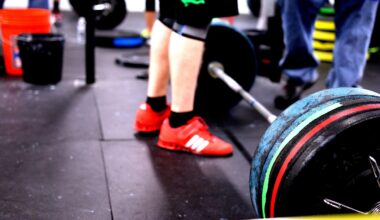

How to Balance Strength Training and Weight Loss Goals
Balancing strength training with weight loss requires careful planning and dedication. Initially, it’s crucial to set realistic goals. For men, strength training serves multiple purposes: improving muscle tone, boosting metabolism, and enhancing overall fitness. Start by determining your exact body weight target and how much muscle mass you wish to maintain or increase during your weight loss journey. This clarity helps you focus on the right exercise and nutrition strategies. Combine resistance workouts with cardiovascular training, as both play a pivotal role in achieving body composition changes. Aim to burn calories while preserving lean muscle through weight training, as it also aids in recovery and prevents injury. Incorporate multi-joint movements that engage various muscle groups simultaneously, promoting overall strength and calorie expenditure. Keep a journal of your workouts and meals to track progress. This discipline not only provides accountability but also highlights successful strategies. Furthermore, consider consulting a personal trainer or nutritionist if you’re unsure where to begin. With the right approach, striking a balance will transform your fitness journey into an enriching experience, encouraging health and wellness as well as achieving aesthetic goals.
Nutrition plays a significant role in the interrelation of strength training and weight loss. In order to achieve desired results, it’s essential to consume sufficient protein to fuel muscle growth while also keeping caloric intake in check. Men should aim for a protein intake ranging from 1.0 to 1.6 grams per kilogram of body weight. This not only supports muscle repair post-exercise but also curbs hunger, aiding in weight management. Focus on whole, nutrient-dense foods such as lean meats, legumes, nuts, and whole grains to build balanced meals. Avoid processed foods that typically lead to excessive calorie consumption and provide little satisfaction. Instead, prioritize healthy fats and carbohydrates around workouts. These nutrients replenish energy and encourage better performance during training sessions. Eating smaller, more frequent meals throughout the day can also help maintain energy levels and stabilize blood sugar, avoiding drastic spikes and dips. Hydration is equally important; drink ample water to support physical activities and overall bodily functions. Proper nutrition combined with mindful eating habits will help optimize strength training while enhancing weight loss progress.
Effective Strength Training Routines for Weight Loss
Creating an effective strength training routine that complements weight loss goals can substantially boost results. Three to four strength training sessions per week is ideal for most individuals. Begin each workout with a proper warm-up to minimize the risk of injury. Designing a full-body workout ensures all major muscle groups are targeted, contributing to muscle balance and overall strength. Incorporate exercises such as squats, deadlifts, bench presses, and rows, which engage multiple joints and muscle groups, maximizing calorie burn. To further enhance fat loss, utilize varying intensity within workouts. Mixing heavy lifting days with high-rep, lower-weight workouts will stimulate different muscle fibers and metabolic pathways. Super-setting or circuit training can also increase heart rate while maintaining strength, making the workouts more efficient. Allow adequate rest periods, especially when lifting heavier weights, ensuring muscles recover and grow. As you advance, intensify the routines by adjusting weights or incorporating advanced techniques. Stay mindful of form to prevent overuse injuries, which can derail progress. A well-structured strength routine significantly influences weight loss when aligned with nutrition.
Rest and recovery are often underestimated components of balancing strength training and weight loss. Muscles need recovery time to repair and grow after rigorous workouts. Schedule at least one to two rest days each week to allow your body to recuperate properly. During these rest days, engage in active recovery activities such as light stretching, yoga, or walking to promote blood circulation and flexibility. Sleep is also fundamental; aim for seven to nine hours of quality rest each night, as it plays a vital role in hormone regulation, appetite control, and muscle recovery. Lack of sleep negatively impacts performance and can lead to increased cravings and overeating. Additionally, consider incorporating deloading weeks into your training schedule, where you temporarily reduce lifting intensity. This approach not only helps prevent overtraining but also rejuvenates your body, enhancing long-term progress. Listen to your body; if you feel fatigued or sore, take additional rest as needed. Adequate recovery balances out energy expenditure and intake, aligning with both strength goals and weight loss objectives.
Tracking Progress and Adjustments
Tracking progress is essential for achieving a balance between strength training and weight loss. Regular assessments help you stay accountable and provide insights into what’s working or needs adjustment. Various methods exist for monitoring progress. Consider measuring body composition changes through methods such as skinfold calipers, DEXA scans, or bioelectrical impedance analysis for a deeper understanding of muscle-to-fat ratio. Another approach is to keep track of your strength gains by noting the weights and repetitions completed during workouts. Record these metrics weekly, aiming for consistent improvements or maintenance of strength levels over time. Additionally, photograph yourself at regular intervals to visually capture transformations and keep motivation high. It’s equally essential to adjust your nutrition and training routines based on those observations. If weight loss plateaus, consider recalibrating caloric intake or adjusting exercise routines. Altering macro ratios—such as increasing protein or decreasing carbs—can significantly impact results. Adapting strategies while focusing on your overall well-being allows for a sustainable approach to accomplishing goals.
Creating a supportive environment can significantly enhance the balance of strength training and weight loss. Whether you choose to work out at home or the gym, surround yourself with motivational influences. This may include active partners, engaging workout videos, or inspiring literature. For men, finding a workout buddy can provide social support, making each session more enjoyable. Sharing goals with friends or family can foster a sense of accountability while also allowing for open discussions about progress and obstacles. In addition to social influences, consider organizing your training schedule to minimize disruptions. Prioritize workouts just like you would any important appointment; consistency is key. Equip your space with proper gear and develop a comfy, workout-friendly environment. By doing this, you’re more likely to adhere to routines, maximizing both strength-building efforts and weight loss outcomes. Also, avoid the temptation of unhealthy snacks by maintaining a clutter-free, health-oriented kitchen setting. Leveraging positive influences empowers you to maintain motivation throughout your fitness journey, effectively balancing strength training and weight loss aspirations.
Conclusion: Achieving Goals Successfully
In conclusion, achieving a balance between strength training and weight loss is highly attainable with a structured approach. As outlined, setting clear goals, prioritizing nutrition, and implementing an effective workout routine form the foundation of success. Emphasizing recovery ensures that you remain in optimal condition to progress toward targets. Monitoring your progress through various means allows you to adapt as necessary, keeping efforts aligned with changing needs. Moreover, creating an encouraging environment reinforces commitment and makes the journey more enjoyable. Surround yourself with positive influences to maintain motivation. Conclusively, remember that this balance is not merely about physical appearance, but also overall well-being and health. Enjoy the journey, celebrate achievements both big and small, and be open to evolving your approach as you gain insights into your body’s unique responses. Focus on building habits that foster a lifestyle of health and fitness, paving the way for sustainable success. Through dedication and persistence, you can harmonize your strength training endeavors with weight loss goals, achieving a body that reflects the effort invested.
The ultimate balance between strength training and weight loss is not a destination but an evolving journey. Stay committed, and prioritize your health and fitness as you progress. Use the information provided here as your guide for a successful and transformative experience.