
How to Prevent Diastasis Recti Through Core Rehabilitation
Diastasis Recti, characterized by the separation of the abdominal muscles, often affects postpartum women. Understanding preventive measures is vital. Focus on strengthening the core muscles, which support overall stability. A balanced approach incorporating safe exercises helps minimize risks. Start by engaging in breathing exercises that activate your transverse abdominis. This muscle forms a natural corset, providing support for your spine and pelvic floor. As you practice these techniques, it’s crucial to maintain proper posture to avoid undue strain on your core and back. Including pelvic floor exercises further aids in restoring strength and stability. Gentle movements like pelvic tilts and knee rolls can promote healing. Gradually increase intensity, avoiding traditional crunches that might worsen the condition. Always listen to your body; postpartum recovery varies greatly among women. Consulting a physiotherapist specializing in postpartum fitness is recommended. They can provide personalized guidance tailored to your specific needs. Following these steps not only helps in preventing Diastasis Recti but also empowers you on your fitness journey. Understanding and practicing these methods will nurture both physical and emotional wellbeing postpartum. Embrace this journey with patience and persistence, prioritizing self-care for a positive recovery process.
During the recovery phase post-birth, it is essential to recognize body changes. Hormonal fluctuations can impact core strength and stability. Engage in self-awareness, examining your physical capabilities. Initially, avoid high-impact activities; focus instead on low-impact exercises. Incorporate activities such as walking and light yoga to gently mobilize your muscles. Many women experience fatigue during this period, making it crucial to manage energy levels. Keeping a balanced diet contributes significantly to recovery, ensuring proper nutrients support healing. Incorporate foods rich in omega-3 fatty acids, vitamins, and proteins into your meals. These elements can significantly enhance recovery speed and support overall health. Establishing a consistent routine helps in developing a fitness habit, essential for long-term success. Ensure ample hydration as it supports bodily functions and enhances energy. As you reintroduce core exercises, emphasize proper engagement techniques. Begin with modified planks, glute bridges, and heel slides as they effectively target core muscles without excessive strain. Always focus on engaging your pelvic floor during these exercises. Maintaining a mindful approach fosters a deeper connection with your body, enhancing your ability to prevent Diastasis Recti.
Practicing Safe Exercises
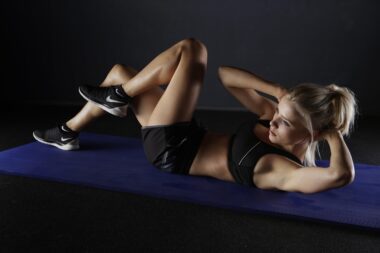
It is crucial to approach core exercises mindfully, particularly in the postpartum phase. Begin by performing gentle moves that encourage abdominal engagement without excessive pressure. Engaging in safe exercises promotes healing and strengthens the core gradually. As you start practicing again, prioritize modifications that ensure alignment. For instance, favor seated or lying exercises rather than standing movements. This helps in ensuring that the core works effectively without overstraining the abdominal wall. Also, try wall sits and modified push-ups, which activate your muscles gently. Throughout your workouts, consistently breathe deeply, allowing your core to stabilize. Note that every woman’s healing time varies, so patience is essential. Setting realistic goals allows for a gradual return to former fitness levels. Implement frequent breaks when feeling fatigued, as they are necessary for adequate recovery. Seek support from fellow mothers or trainers. Engaging with a community enhances motivation and encourages accountability. Additionally, consider joining postpartum fitness groups that focus on core rehabilitation. These platforms provide shared knowledge, helping each other navigate challenges, making fitness enjoyable and sustainable.
Mindfulness during core rehabilitation significantly affects recovery outcomes. Emphasizing mental engagement while performing exercises fosters better results. Focus on connecting with each movement, ensuring that you’re not just going through the motions. Practicing mindfulness techniques, such as breathing exercises, can help prioritize this connection. Additionally, mindfulness enhances awareness of any discomfort during workouts, enabling you to adapt movements accordingly. Incorporating stretching sessions aids in relaxation and promotes muscle flexibility, crucial for overall rehabilitation. Including mindfulness principles not only assists physical recovery but also alleviates postpartum stress and anxiety. Embracing a holistic approach by combining mental techniques with physical exercises reinforces overall well-being. Therefore, prioritize self-care and build time for relaxation within your routines. Mindful approaches provide women with the necessary coping strategies during this transformative period. Understanding your body and its unique needs empowers better decision-making regarding fitness goals. Seek continuous learning opportunities, such as workshops or online courses focusing on core rehabilitation. Combining knowledge with practice equips you with invaluable skills for maintaining long-lasting core health beyond the postpartum period.
Staying Consistent
Consistency in performing core rehabilitation exercises is vital for achieving desired results. To sustain this consistency, establishing a structured fitness schedule is incredibly beneficial. Whether it’s daily or several times a week, integrating these exercises into your routine fosters better adherence. Look into creating a supportive environment at home, ensuring minimal distractions during workouts. Moreover, including a workout buddy significantly enhances accountability and makes exercising enjoyable. As you maintain your routine, it’s also essential to celebrate small victories. Acknowledging progress, even minor, instills motivation and encourages perseverance. Consider keeping a fitness journal to document achievements and setbacks. Track different exercises and reflect on what strategies worked best. This record provides insights into your journey, aiding you to adjust workouts as necessary. Seeking guidance from a qualified trainer can also be particularly valuable. A trained coach provides personalized feedback and modifications focused on your progress. Prioritize gradual increases in challenge levels to avoid injury. Incorporate periodic assessments of your physical condition. Finally, maintaining a positive mindset is fundamental throughout your rehabilitation, leading to more resilient training habits for long-term success.
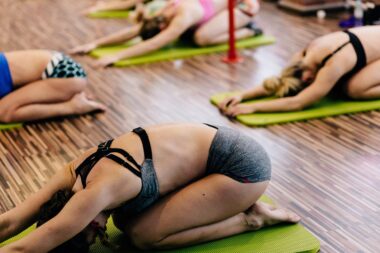
When navigating the path of core rehabilitation, it’s critical to adjust your approach based on your body’s feedback. Each woman’s recovery journey is markedly different, influenced by various factors such as previous fitness levels and overall health. Listen to your body’s cues diligently; it will guide you toward appropriate modifications. If experiencing persistent discomfort, do not hesitate to consult a healthcare professional for assessment and recommendations. Gradually introducing new exercises allows your body to adapt without overwhelming it. Avoiding high-impact activities in the early stages reduces stress on the abdominal wall. Instead, favor functional movements aimed at rebuilding strength and coordination. Each workout session should focus on controlled, quality movements rather than rushing through reps. Focus on enhancing your awareness of lower back alignment and pelvic positioning. These elements play significant roles in achieving desired results while preventing further injury. Consider incorporating restorative practices, such as yoga or pilates, into your routine. These disciplines not only improve flexibility but also provide essential relaxation, easing anxiety. Making thoughtful choices regarding exercise and well-being will contribute positively to both physical recovery and mental health.
Conclusion
Preventing Diastasis Recti through core rehabilitation emphasizes the importance of a comprehensive fitness approach. Understand that recovery takes time, and celebrate every step you take towards improvement. Maintain a strong foundation through Pilates or core-focused classes that reinforce proper movement patterns. Always prioritize breathing techniques, as deep, diaphragmatic breaths facilitate muscle engagement and stability. Gradual progression must be embraced rather than rushing to reclaim previous fitness levels. Integrate resistance bands or light weights only after mastering basic movements to further improve strength safely. Engaging in community classes offers additional motivation and social support. Consider enlisting a specialist’s assistance if challenges arise; expert guidance helps navigate hurdles effectively. Lastly, recognize that nurturing both mental and physical health is essential in the postpartum period. Focus on holistic approaches, ensuring recovery is sustainable and enriching. This process ultimately fosters resilience and a strong foundation for future fitness endeavors. As you advance in your journey, continue to adapt your routine according to evolving needs. With commitment, patience, and the right support, preventing Diastasis Recti through core rehabilitation is very attainable for every postpartum woman.
Engaging in postpartum core rehabilitation programs provides a wealth of benefits, supporting overall recovery and enhancing physical fitness.