
How to Handle Defeat and Come Back Stronger in Competitions
Defeat in self-defense competitions can be a hard pill to swallow. Every competitor knows that along with victory, there comes a time when failure strikes. The first step in overcoming defeat is recognizing that it is a part of the journey. Every champion had to face setbacks and respond appropriately to them. Importantly, analyzing what went wrong during the competition can provide valuable insights. Consider which strategies did not work and identify key areas for improvement. It’s essential not to let defeat define you. Instead, interpret it as a stepping stone to success. Stay committed to your training and push yourself harder than before. Seek feedback from experienced coaches and peers, as this can help you gain perspective. They might point out things you overlooked. Alongside physical training, focusing on your mental resilience is paramount. A positive mindset can foster inner strength, helping you bounce back stronger. Implementing these strategies will not only improve performance but also enhance overall confidence. Keep in mind, in self-defense, resilience is as crucial as skill.
In addition to practical changes, emotional recovery plays a major role after a defeat. Allow yourself to feel disappointment, but do not dwell on it for too long. Set a timeline for processing these emotions, after which the focus should shift towards constructive action. Engage in activities that bring you joy and lift your spirits. Passion for martial arts is what got you started, so reconnecting with that initial motivation can be refreshing. Surrounding yourself with supportive team members can also elevate your spirits. They understand the journey, and sharing experiences fosters a sense of unity. Return to training sessions, aiming to practice what you have learned from your defeats. Here, visualizing success can be immensely beneficial. Visualize yourself overcoming not just your opponents, but the odds you face mentally as well. This mental practice can coordinate movements and prepare you for upcoming competitions. Take mock sparring sessions seriously, treating them like real competition. As you continue practicing, integrate new techniques into your routine. This relentless pursuit of improvement will ignite your passion once again, transforming defeat into a valuable teacher.
Setting New Goals
After experiencing defeat, setting new goals can structure your comeback effectively. Define specific, measurable, attainable, relevant, and time-bound goals, often referred to as SMART goals. These goals help maintain focus and provide direction, which is crucial when bouncing back from defeat. For instance, if the last competition revealed a gap in your grappling skills, dedicate time to work extensively on this area. Attend specialized workshops or seminars, if possible, or seek tutorials online. Streamlining these goals into actionable steps makes overcoming weaknesses simpler. Moreover, keep a training journal chronicling your progress—this can provide motivation and insight. Document not only the training hours but also feelings, improvements, and setbacks. Regular entries can help you notice trends over time. Likewise, sharing goals with a coach or mentor can add accountability. They provide external perspectives, helping you gauge progress more accurately. Furthermore, celebrating small milestones along the way will keep the morale high. Each incremental victory is a chance to reaffirm your capabilities and resilience, making the larger picture of recovery seem less daunting and more achievable, with every effort counted.
A robust support system is essential for bouncing back after setbacks in competition. Your training partners and coaches can offer insight and advice based on their experiences. It’s often beneficial to create an accountability group. This group can motivate each other through challenging times and hold each other responsible for staying committed to individual goals. Emphasizing teamwork nurtures camaraderie, enhancing emotional support. Additionally, consider joining forums or communities where others share their experiences of overcoming competitions. Interacting with fellow competitors can offer perspective on how common defeat is within the sport and how varying individuals cope with it. Watching videos of successful athletes discussing their own defeats can elucidate strategies they employed for recovery. It can also inspire you to think about your individual struggle through a broader lens. Regularly participating in discussions fosters engagement with a community that cherishes improvement. As a competitor, you are part of a larger circle that understands the ups and downs of self-defense. No journey is smooth, thus knowing there are others on the same path can be comforting while bolstering determination to advance.
The Role of Physical Fitness
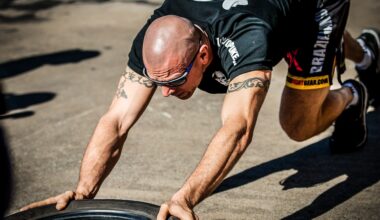
Fitness plays a significant role in your comeback from defeat. While many focus on practice techniques, dedicating time to overall physical health is equally vital. Interval training, strength training, and agility drills help maintain peak performance levels. This physical preparation allows you to execute techniques more effectively during competitions. Nutritional strategies also contribute significantly. A well-balanced diet fuels your body and supports recovery post-training. Incorporating proteins for muscle repair and plenty of fruits and vegetables can further enhance your stamina. Equally essential is rest; ample sleep ensures that your mind and body recover. Overtraining can lead to burnout and decrease motivation. Thus, listening to your body can help avoid such pitfalls. Engaging in cross-training can also supplement your routine, keeping workouts varied and interesting. Activities such as swimming or yoga improve overall fitness while providing mental clarity. Moreover, these alternative workouts can relieve stress, allowing you to approach future competitions with a fresh perspective. Fitness in self-defense should have a holistic view; focusing on both pieces will enhance your resilience while boosting performance.
Lastly, a transformative mindset is crucial in recovering from defeat. Cultivating a growth mindset—the belief that abilities can be developed through hard work—is essential. Understand that defeats, while disheartening, are opportunities for growth on your martial arts journey. Embracing this perspective allows you to view challenges as lessons rather than failures. Additionally, engaging in mindfulness practices, such as meditation or visualization, can help focus your energy positively. Try incorporating these practices into your daily routine. Development of awareness can ease tension and promote clarity on the mat. When stepping back into the gym or ring, remind yourself of your reasons for training. Connecting with your fundamental passion for self-defense reaffirms why you persist through challenges. Keep reinforcing your virtues, like discipline and resilience, and focus on progress over perfection. Acknowledge the hardships faced and bear witness to the fruits of your labor. Each step taken, whether in training or competition, incrementally adds to your strength and mastery. Thus, as you prepare for future competitions, embrace the journey of self-discovery that lies ahead, ready to approach challenges renewed and motivated.
In conclusion, recognizing that defeats are inherent to the competitive landscape, particularly in self-defense, allows fighters to rebuild with a stronger foundation. By understanding and implementing effective strategies surrounding defeat—from emotional processing to physical fitness and mindset transformation—competitors can grow holistically. Continuous introspection and learning from failures create avenues leading not merely to recovery, but also to sustainable growth and excellence. Surrounding yourself with a positive support system and defining achievable goals enhances the chances of bouncing back. With each comeback, personal development becomes inevitable as you cultivate strengths from past struggles. Improving physical fitness, adjusting nutritional habits, and adopting a mindset focused on growth create a synergistic approach to mastering the craft. Remember to celebrate small victories along the journey; they keep motivation levels high and encourage resilience. Self-defense competitions are demanding, but they can also be rewarding. Ultimately, believe in the process of learning, preserve enthusiasm, and maintain an unwavering commitment to your goals. The next competition awaits, and with the right attitude, the journey back to success will be filled with optimism and strength, allowing you to shine bright.
Throughout the process, revisit the core passion for self-defense. A willingness to embrace challenges and recommendations for improvement can transform the way you perceive defeats. Ultimately, every setback should serve not as an endpoint but rather as a launchpad for greater achievements. The insights you gain today can pave the way for future victories and lead you toward holistic growth. Let your defeats be mere stepping stones on the path to success.