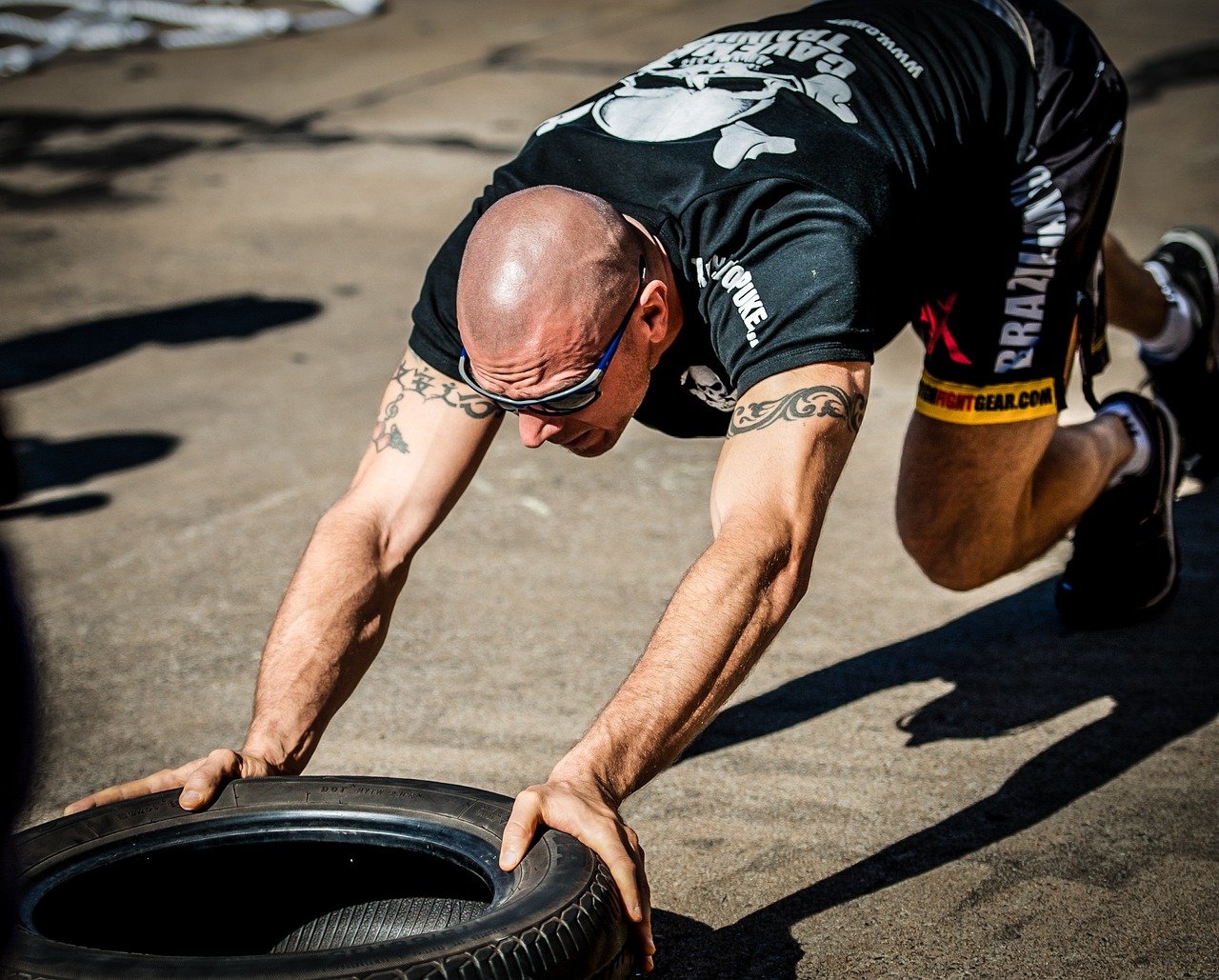

Functional Training for Sports: Mobility and Stability Drills
Functional training specifically aims to enhance sports performance through exercises that mimic the specific movements required in various sports. The relationship between mobility and stability is essential for improving overall athletic performance. Mobility exercises focus on increasing the range of motion in your joints, making it easier for athletes to achieve optimal movement patterns. Stability training, on the other hand, helps to develop the core and joint strength necessary to maintain control during dynamic activities. Together, these components create a well-rounded foundation for any athlete. During training sessions, incorporating both types of exercises can lead to improved performance on the field or court. Athletes should be aware of their individual needs based on their sport and current abilities. Evaluating mobility and stability can assist in identifying gaps in performance. Personalizing training programs can enhance effectiveness and lead to better results. Therefore, training should consist of a blend of strength, endurance, mobility, and stability drills to ensure athletes develop in all areas. Evaluating individual needs will allow for more efficient performance enhancement while training.
A crucial element of mobility training involves dynamic stretching exercises that promote improved range of motion. These stretches engage muscles and joints more rigorously than static stretching, better preparing athletes for activity. Examples of dynamic stretches include leg swings, walking lunges, and arm circles. Incorporating these movements into a warm-up routine will enhance flexibility and functional capacity immediately. Stability exercises, such as single-leg stands and various balance drills, improve joint stability and core strength. These exercises empower athletes to perform better under pressure during competition and training. A well-rounded workout regimen prioritizes functional movements over isolation exercises, ensuring that athletes train effectively and relevantly. Athletes should embrace a proactive approach to building mobility and stability, focusing on movements that contribute to their performance outcomes. Evaluating area-specific needs, such as changing direction or maintaining posture, is essential. Incorporating various drills that emphasize stabilization will provide more control during action. A consistent training program that integrates mobility and stability work will foster success across a variety of sports. Athletes will experience enhancements in overall performance, making them better prepared for competition challenges ahead.
Benefits of Mobility and Stability Training
Incorporating mobility and stability exercises into regular training routines provides numerous benefits for athletes. Improved range of motion leads to more efficient movements, decreasing the risk of injury during physical activity. Furthermore, proper joint function is critical for preventing injuries; hence, mobility training helps ensure the joints work effectively. Similarly, stability-enhancing exercises drastically reduce the risk of falls and sudden injuries. They also strengthen the core, improving overall performance. A strong core acts as a foundation for all athletic movements, allowing for quicker transitions and better overall efficiency. Moreover, these drills can enhance balance and coordination, which are vital to any athletic endeavor. As athletes become more proficient, they will notice improvements in their sports-specific skills, enabling them to focus on honing their techniques. Consistent mobility and stability work facilitates better recovery between training sessions, reducing muscle soreness. Adequate recovery can lead to improved training frequency and intensity. Ultimately, the key to athletic success lies in developing a solid foundation grounded in mobility and stability. By prioritizing this aspect of training, athletes will witness significant enhancements in their performance.
Implementing a variety of exercises can elevate both mobility and stability training. For mobility, consider incorporating hip, shoulder, and thoracic spine exercises into your routine. These areas will benefit greatly from flows that include deep squats, spinal rotations, and lateral lunges. Challenging the body through different planes of motion will improve flexibility and functional movement. Furthermore, utilizing tools like resistance bands, foam rollers, and stability balls can increase the effectiveness of these exercises. Bands can enhance resistance during mobility drills, leading to greater gains in flexibility. Stability training can also employ equipment like balance boards or wobble cushions to challenge coordination and core strength. Athletes should strive to incorporate these tools into their workouts after consulting trainers for proper guidance. Consistent practice and variation will lead to better adaptations and improved overall athleticism. Athletes are advised to monitor their progress and adjust their training regimes according to their performance outcomes. It’s important to remember that engaging in this type of training isn’t merely a short-term fix but a lifelong commitment to overall health and enhanced athletic performance.
Integrating Training into Your Routine
Creating a structured training regimen will help athletes maximize the benefits of mobility and stability drills. Consider scheduling specific days focused solely on these exercises to prioritize their importance. To ensure proper recovery, alternating days of heavy weight training with mobility and stability sessions is essential. Athletes should recognize that these exercises are beneficial across various sports and should aim to include specialized training periods throughout their seasonal training calendar. Gradually increasing the intensity as adaptations occur will further enhance the effectiveness of these routines. Athletes can also employ a systematic approach to tracking progress. Utilizing fitness apps or journals to monitor exercises, coach feedback, and personal observations can provide valuable insights about performance improvements. This documentation will help athletes stay accountable and motivated, fostering persistence in their training. A strong focus on accountability can empower athletes to push for even higher goals, ultimately resulting in superior performance. Ensuring that mobility, stability, and skill training is balanced will create a well-rounded foundation for success. Incorporating recovery aspects into these programs will facilitate optimal results over time.
The role of proper nutrition cannot be overlooked when it comes to enhancing mobility and stability training. A well-balanced diet rich in nutrients promotes efficient recovery and muscle synthesis. If athletes want to perform at their best, they should fuel their bodies with essential nutrients. Hydration is also critical for optimal performance. Proper fluid intake facilitates joint lubrication and overall physical function. Combining these factors will optimize not just recovery after workouts but also performance during training sessions. Athletes should consider consulting with sports nutritionists to develop tailored meal plans that support their training goals. This personalized diet will complement mobility and stability work, ensuring all aspects of training are aligned. Incorporating anti-inflammatory foods such as leafy greens, fatty fish, and nuts can promote optimal athletic recovery and performance while enhancing overall well-being. Meal timing around workouts can further enhance gains from mobility and stability drills by prioritizing fuel intake before and after physical activity. Striking this balance between training and nutrition will create a solid foundation for ongoing athletic success.
Conclusion
In conclusion, enhancing sports performance through functional training is essential for athletes to remain competitive and injury-free. Focusing on both mobility and stability while integrating them into regular training regimens will yield significant benefits. The appropriate blend of dynamic stretching, core strengthening, and sport-specific drills will elevate athletic performance levels. Training professionals must guide athletes in adopting a systematic approach that emphasizes consistent training and proper nutrition. Athletes must remain dedicated to their routines and continuously seek opportunities to improve their skills. Building a solid foundation in mobility and stability will lead to improved performance, reduced injury rates, and foster a long athletic career. Recognizing the significance of these components will pay dividends and encourage athletes to take their training to a higher level. The integration of these principles can profoundly influence success on and off the field. By making mobility and stability training a priority, athletes will not only improve their performance but also enjoy a more fulfilling sporting life. Adopting a holistic approach to training, including mental and physical elements, will drive sustained athletic success.
Ultimately, making mobility and stability a focus of your training plan can yield powerful results. Embrace the opportunity to develop a more comprehensive skillset that enhances your performance. The investment in time and effort will be beneficial long into your athletic career.