
Functional Training Tools and Equipment for Rehab
Functional training is an essential approach in rehabilitation to help individuals regain strength, mobility, and function. When looking at tools and equipment for rehab, it is crucial to understand how each item contributes to functional movement patterns. Equipment like resistance bands provide variable resistance that adapts to the user’s strength levels, making them ideal for gradual progress. Stability balls enhance core strength and stability, lifting the difficulty level of exercises as one progresses. Additionally, kettlebells offer a versatile option, allowing users to perform dynamic movements that engage multiple muscle groups simultaneously. Another beneficial item is the foam roller, used for myofascial release, assisting in muscle recovery. Incorporating these tools not only aids rehabilitation but also prevents injuries by improving functional strength. Utilizing suspension trainers can also elevate workouts by relying more on body weight for resistance. Understanding how to use each piece of equipment effectively is vital. Throughout the rehabilitation journey, it is essential to tailor the routine to the individual’s specific needs, ensuring a safe and effective path to recovery.
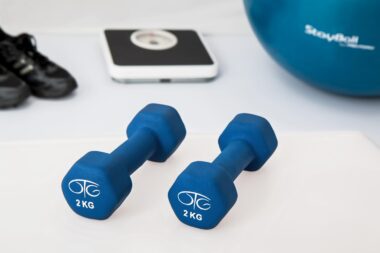
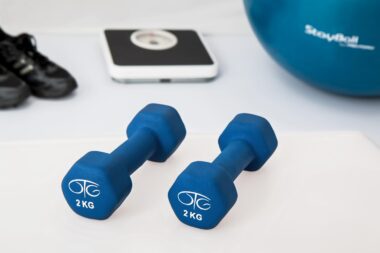
Exercises should be designed to enhance mobility, flexibility, and overall function. Through the use of tools such as balance boards, users can improve their proprioception, essential for stability and coordination, crucial post-injury. Resistance bands are indispensable, offering variety in strength training without overwhelming the body. By starting with lower resistance, individuals can gradually increase difficulty. Another important tool is the medicine ball, which can be used for various exercises, improving core strength, and power. Importantly, adjustable weights, such as dumbbells, enable tailored strengthening exercises, allowing gradual increments according to progress and capability. As much as equipment is vital, proper education on how and when to use them is equally important to maximize effectiveness during functional training for rehab. Particularly, using proper techniques fosters recovery and minimizes potential setbacks. The involvement of a qualified professional during rehabilitation ensures that exercises performed with each tool are safe and effective. Engaging in a well-structured functional training program can vastly improve outcomes for those in recovery from injuries.
Incorporating Movement Patterns
Functional training emphasizes retraining movement patterns akin to daily activities, making the rehabilitation process more relatable and straightforward. Tools utilized to mimic these movements can create engaging and practical exercises. For example, utilizing step-up platforms encourages proper gait and stair climbing mechanics. Stability discs can help improve balance and coordination by adding instability to exercises. Integrating multi-directional movements using agility ladders can simulate real-life scenarios that require agility and footwork. Such training improves athletic performance while rehabilitating injuries. The exercises should challenge the individual appropriately, gradually increasing intensity without causing strain. Moreover, clinics and rehab centers typically offer customized programs that incorporate various tools depending on the patient’s injury, needs, and outcomes expected. Instruction on using tools during functional training sessions promotes confidence among individuals, leading to better engagement and commitment to their recovery process. Lastly, tracking progress is vital, as it adds motivation and allows for adjustments when necessary. As individuals see improvement, they become encouraged to push themselves further within their limits.
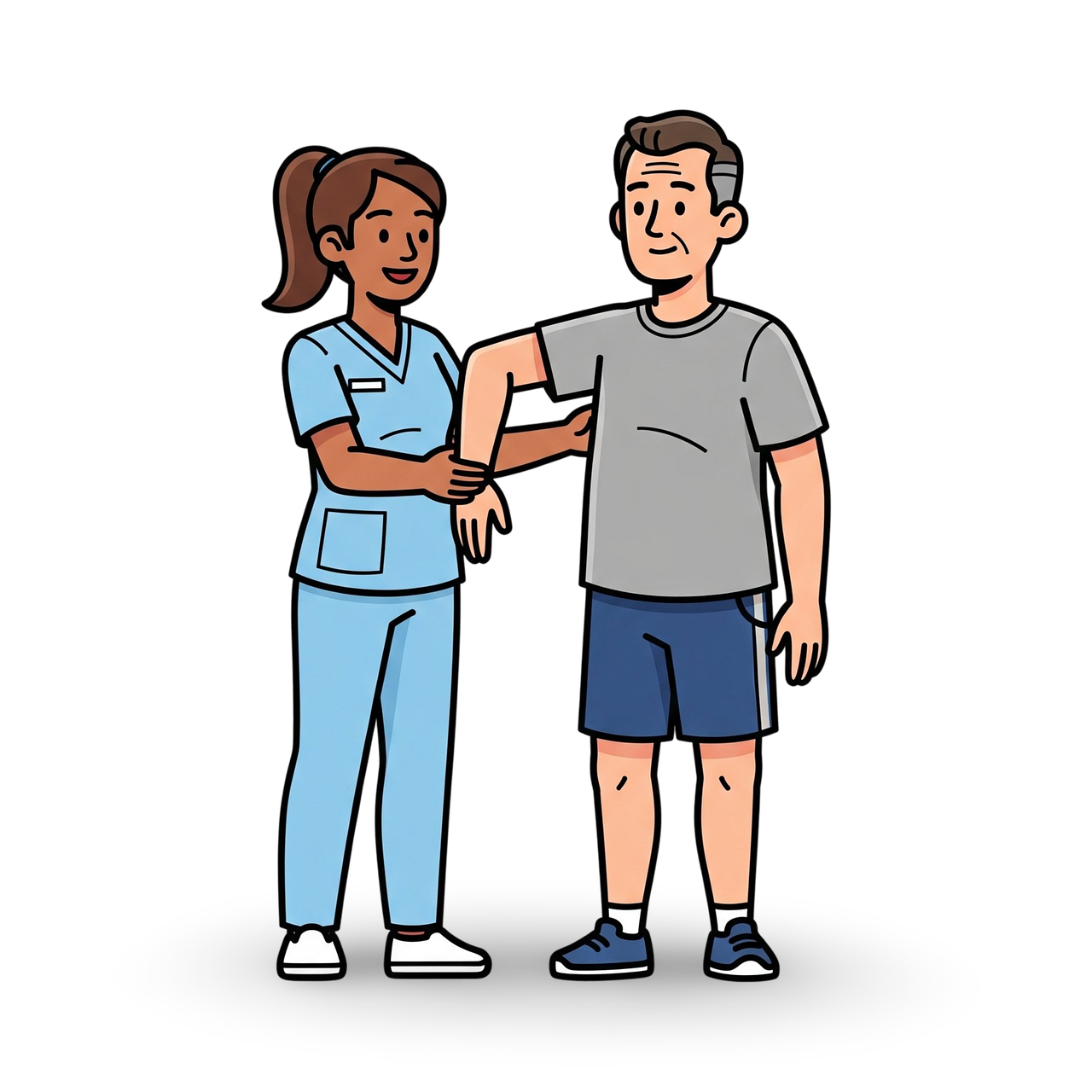
Another essential aspect is the integration of cardiovascular conditioning using functional tools. Equipment such as medicine balls can add an element of cardiovascular training through dynamic throws or movements. Utilizing battle ropes enhances cardiovascular endurance while simultaneously engaging core and upper body muscles. These tools combine strength and conditioning, maintaining an elevated heart rate while providing strength training benefits. Jump ropes can also be utilized for an effective cardio workout, improving agility and coordination as stamina grows. Engaging in these multi-faceted exercises is essential for holistic rehab. Beyond employing tools, ensuring a well-rounded program inclusive of stretching, flexibility, and strength components is necessary. Such diversity enhances rehabilitation and aids in preparing individuals for returning to their desired activities or sports. It is crucial to understand the specific injury’s demands and how these tools can facilitate the recovery process. Collaboration with physical therapists or trainers who have expertise in functional training is invaluable. Their guidance ensures individuals correctly perform exercises, reducing injury risk while enhancing mobility, strength, and overall function effectively.
Adapting for Specific Injuries
Every rehabilitation case is unique; therefore, adapting functional training to specific injuries is necessary to promote effective recovery. Different injuries have varying requirements that influence the tools and exercises utilized. For example, upper body injuries may necessitate the use of lighter resistance tools to reconstruct strength gradually. Similarly, lower body injuries might require tools like mini-bands to activate glute and hip muscles without excessive strain. Determining the appropriate time to utilize equipment is also fundamental, ensuring that rehabilitation does not advance too quickly. Listening to the body and taking cues for rest is equally important during functional training for rehab. It is essential to provide equipment that encourages healing, allowing the body to recover while still advancing towards functional goals. Additionally, modifications may be necessary to accommodate different fitness levels and recovery rates. Offering a progression tracking system can be helpful, ensuring that individuals meet their goals effectively while adapting to their progress and comfort levels. Guided sessions that utilize tools appropriately can foster confidence and elevate the rehabilitation experience.
The role of community and support in functional training for rehab cannot be understated. Encouraging participation in group classes or sessions can enhance motivation and commitment. Engaging with peers who understand the process can create a supportive environment, making rehabilitation more enjoyable and less isolating. Incorporating tools into group activities, such as resistance bands and stability balls, encourages engagement and teamwork. Encouragement and positive feedback foster a sense of accomplishment, motivating individuals to push through their challenges. Shared experiences within the group enable members to learn from one another, enhancing their knowledge of various exercises and techniques. Such interactions also facilitate valuable networking opportunities, allowing individuals to share ideas and resources beneficial for their rehabilitation. Furthermore, trainers should foster a sense of community within functional training settings, tailoring activities to include teamwork and collaboration. As individuals bond through shared struggles, their collective support can significantly enhance the overall rehabilitation experience. Fostering community relationships around fitness and health encourages a commitment to well-being beyond the rehabilitation itself.
Conclusion and Continued Training
In conclusion, tools and equipment play a vital role in functional training for rehab, empowering individuals to regain their mobility, strength, and confidence. Understanding diverse options ensures a tailored approach for successful rehabilitation outcomes. Building a program that incorporates resistance bands, stability balls, and medicine balls maximizes effectiveness while keeping individuals engaged. Adaptability concerning injuries is essential, ensuring that every session is specific to individual needs and goals. Fostering a supportive community around functional training enhances commitment and motivation throughout the rehabilitation process. Once individuals return to their pre-injury activities, continued training with functional tools is essential for long-term health and injury prevention. Establishing a regular functional training routine can aid in maintaining strength and flexibility. Encouraging individuals to embrace functional training as a lifelong practice empowers them to prioritize their well-being beyond rehab. Ultimately, combining informed guidance from professionals with the right tools can facilitate an enjoyable rehabilitation journey, significantly enhancing quality of life. Therefore, investing in education, community, and appropriate tools ensures effective and enjoyable rehabilitation experiences for everyone.
Emphasizing recovery through enjoyable activities using functional training equipment reinforces adherence and success rates. Many individuals find their motivation renewed with the use of engaging tools, shaping their rehabilitation experience positively. The takeaway from functional training is achieving practical readiness to return to daily tasks or sports. The diligent application of various tools and methods ensures a comprehensive recovery process while emphasizing safety, effectiveness, and encouragement. Rehabilitating injuries can often be overwhelming; however, when approached with the right mindset, tools, and community, the experience can transform into an empowering journey towards recovery.