
Effective Communication Skills for Judo Coaches
Effective communication is essential for judo coaches to foster a positive learning environment. Understanding various communication styles enables coaches to connect with their students more effectively, enhancing their training experience. Strong communication skills include verbal and non-verbal communication, active listening, and the ability to adapt one’s approach based on individual needs. Verbal communication involves clear articulation of techniques, tactics, and strategies in judo, contributing to athletes’ understanding and performance. Non-verbal cues, such as body language, eye contact, and gestures, significantly influence how messages are perceived by athletes. Coaches should be aware of these factors, as they can reinforce or contradict verbal messages. Active listening allows coaches to fully understand athletes’ concerns, questions, and feedback, fostering a collaborative coaching relationship. Adapting communication styles to meet the diverse needs of individual athletes also proves vital. Coaches must recognize that each athlete has unique learning preferences, requiring tailored explanations, demonstrations, or feedback. Coaches should strive to create a welcoming and inclusive environment where open dialogue and trust allow athletes to express themselves without fear of judgment, ultimately contributing to their development as judo practitioners.
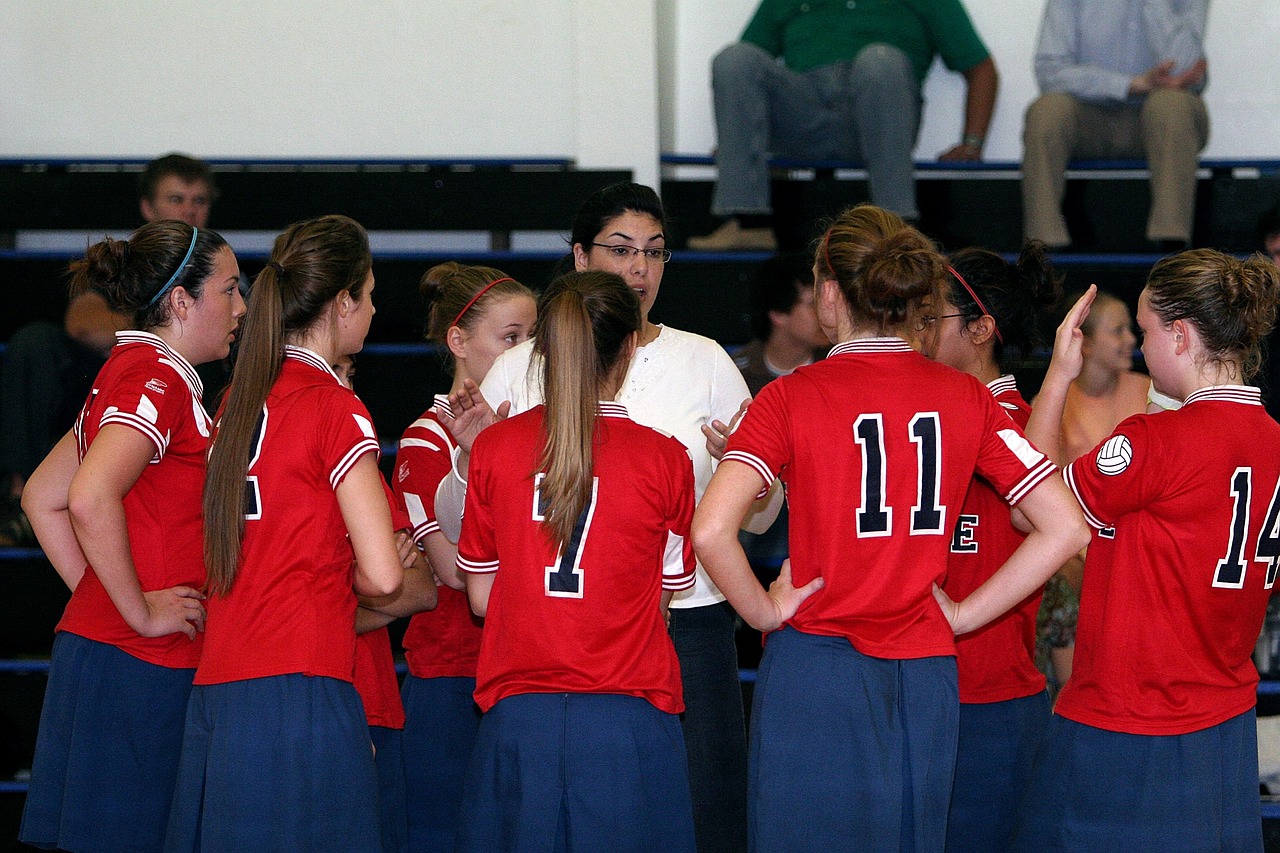
Coaching judo teams requires more than just technical expertise; it involves effective communication. To facilitate positive interactions, coaches must understand their athletes’ personalities. This understanding aids in avoiding conflicts and fosters team cohesion. Establishing clear expectations through consistent communication ensures that athletes understand their roles within the team and the skills they should focus on. Furthermore, when athletes feel that their coach listens to them, it boosts their motivation and engagement. Providing constructive feedback is crucial in communication, allowing athletes to recognize their strengths while identifying areas for improvement. Positive reinforcement, such as praise for effort or technique, builds confidence, while addressing weaknesses must be done tactfully to encourage growth. Coaches should also leverage group discussions, enabling athletes to share perspectives, enhancing communication within the team. Integrating lessons on communication skills into training sessions will develop not only athletes’ judo capabilities but also their interpersonal skills. This approach prepares them to work with different personalities, which is essential for their future both within and beyond the sport context. Collaborative discussions ensure a supportive team environment where every athlete has a voice, leading to overall enhanced performance and satisfaction.
Building Rapport with Athletes
Building rapport with athletes is crucial for judo coaches aiming to enhance communication. This connection fosters trust, respect, and understanding while creating a comfortable environment for athletes. Coaches should prioritize relationships with their athletes by showing genuine interest in their well-being and progress in judo. Taking time to engage in casual conversations before training sessions helps understand athletes as individuals, rather than just competitors. Building rapport also involves being approachable and transparent, which encourages athletes to seek guidance and share challenges openly. Coaches can employ techniques such as mirroring body language and maintaining open postures to create a sense of connection. Reliability is another essential aspect of establishing rapport; athletes must trust that their coach is always available for them during training and fights. Incorporating regular one-on-one conversations with athletes enables coaches to align their coaching strategies with individual goals. As they become more attuned to their athletes’ needs, coaches will find communication becomes more fluid and effective. These connections make feedback sessions more productive and allow athletes to openly express concerns or queries, establishing an environment rich in mutual respect and understanding.
Another significant communication skill for judo coaches is effective conflict resolution. Disagreements may arise among athletes due to differing opinions, personalities, or rivalry during competition. It is vital for coaches to address conflicts promptly and constructively to preserve team harmony. Establishing a conflict resolution strategy within the training framework allows coaches to manage problems systematically. When disagreements occur, coaches should remain calm, encouraging athletes to articulate their viewpoints. Listening actively to each side ensures that all perspectives are valued and acknowledged, creating a sense of fairness. After gathering input, coaches can facilitate open dialogue, guiding athletes toward a resolution that respects everyone’s feelings. Additionally, teaching conflict resolution skills during training instills in athletes the importance of effective communication. They can learn how to navigate their disagreements while promoting mutual understanding and collaboration within the team. By equipping athletes with these skills, coaches create a supportive environment where challenges are met with solutions rather than strife. This not only encourages teamwork but also enhances athletes’ overall performance in judo, preparing them to handle future conflicts positively and constructively.
The Role of Feedback
Feedback plays a fundamental role in judo coaching, serving as a critical communication tool. Providing timely, specific feedback is essential for athletes’ skill development, helping them understand what they’re doing well and where improvement is needed. Coaches should aim to deliver feedback during training sessions to ensure that athletes can apply it immediately. This immediacy reinforces learning and helps solidify concepts and techniques. Coaches can use a structured approach to feedback, combining positive reinforcement with constructive criticism. By validating what athletes are doing correctly, coaches foster motivation while simultaneously identifying key areas for development. Different athletes may respond uniquely to feedback, so recognizing individual preferences is vital. Some athletes may thrive on detailed verbal feedback, while others may prefer visual demonstrations or written notes. Flexibility in tailoring feedback ensures that all athletes feel supported in their journey. Setting aside time during practice for group feedback sessions allows everyone to learn from one another’s experiences. This inclusive approach to feedback encourages teamwork and camaraderie within the dojo. An effective feedback loop not only enhances individual performance but also contributes to the collective growth of the team.
Engaging in open dialogues is an integral part of effective communication for judo coaches. Coaches should create an environment that promotes candid discussions, enabling athletes to share their thoughts, ideas, and concerns comfortably. Implementing team meetings or debriefing sessions creates opportunities for open dialogue, where athletes express their experiences and ask questions related to their training or competitions. Encouraging athletes to voice their opinions fosters a sense of ownership and accountability within the team. Additionally, these discussions cultivate a culture of transparency, allowing athletes to listen and learn from one another. It is essential for coaches, too, to share their experiences and thoughts, providing valuable insights into their coaching philosophy and expectations. By sharing relatable stories or challenges, coaches demonstrate their understanding as teammates, helping reduce barriers between themselves and athletes. This two-way communication builds rapport and trust, enhancing the overall team dynamic. Participants will develop stronger relationships as athletes feel more valued and respected. Ultimately, open dialogues contribute to a supportive and productive training environment where both coaches and athletes work harmoniously toward improvement in judo and personal growth.
Adapting Communication Styles
Adapting communication styles to accommodate diverse athletes is a critical skill for coaches in judo. Each athlete possesses unique characteristics and learning preferences based on their background, experiences, and individual personalities. Effective coaches recognize these differences and adjust their communication accordingly. For instance, some athletes may respond better to detailed instructions, while others may thrive with hands-on demonstrations. Coaches should strive to identify each athlete’s learning style through attentive observation and interaction during practice. Trained in active listening, a coach can tailor messages that resonate with individual needs, ensuring athletes grasp concepts more effectively. Additionally, utilizing a variety of communication mediums, such as visual aids or video analysis, caters to different preferences while enhancing understanding. Furthermore, understanding cultural backgrounds and language proficiency among athletes can inform communication approaches. When coaches notice language barriers, they should simplify their language or reinforce messages through non-verbal cues. This adaptability creates an encouraging atmosphere, where athletes feel comfortable seeking clarification or expressing challenges. Consequently, athletes develop more robust understandings of the techniques, strategies, and principles of judo, equipping them for success both on and off the mat.
In conclusion, effective communication skills are essential for judo coaches aiming to cultivate a productive training environment. By prioritizing clear communication and actively engaging with athletes, coaches can foster strong relationships built on trust and respect. Emphasizing the importance of feedback, active listening, and adapting communication styles ensures that all athletes feel valued and understood within the training program. Moreover, promoting open dialogues enhances teamwork and camaraderie, allowing athletes to learn from one another and develop both their judo skills and personal growth. Furthermore, a focus on conflict resolution equips athletes with valuable life skills, essential for managing relationships beyond sport. Coaches must continuously develop their communication skills to meet the evolving needs of their athletes and address challenges effectively. Ongoing professional development and self-reflection on communication strategies can greatly improve coaches’ effectiveness in mentoring their teams. As judo relies not only on individual prowess but also on teamwork, the ability to communicate effectively becomes increasingly vital. Ultimately, investing in these skills enhances the overall judo experience for both coaches and athletes, contributing to a richer understanding of the sport and one’s personal development.