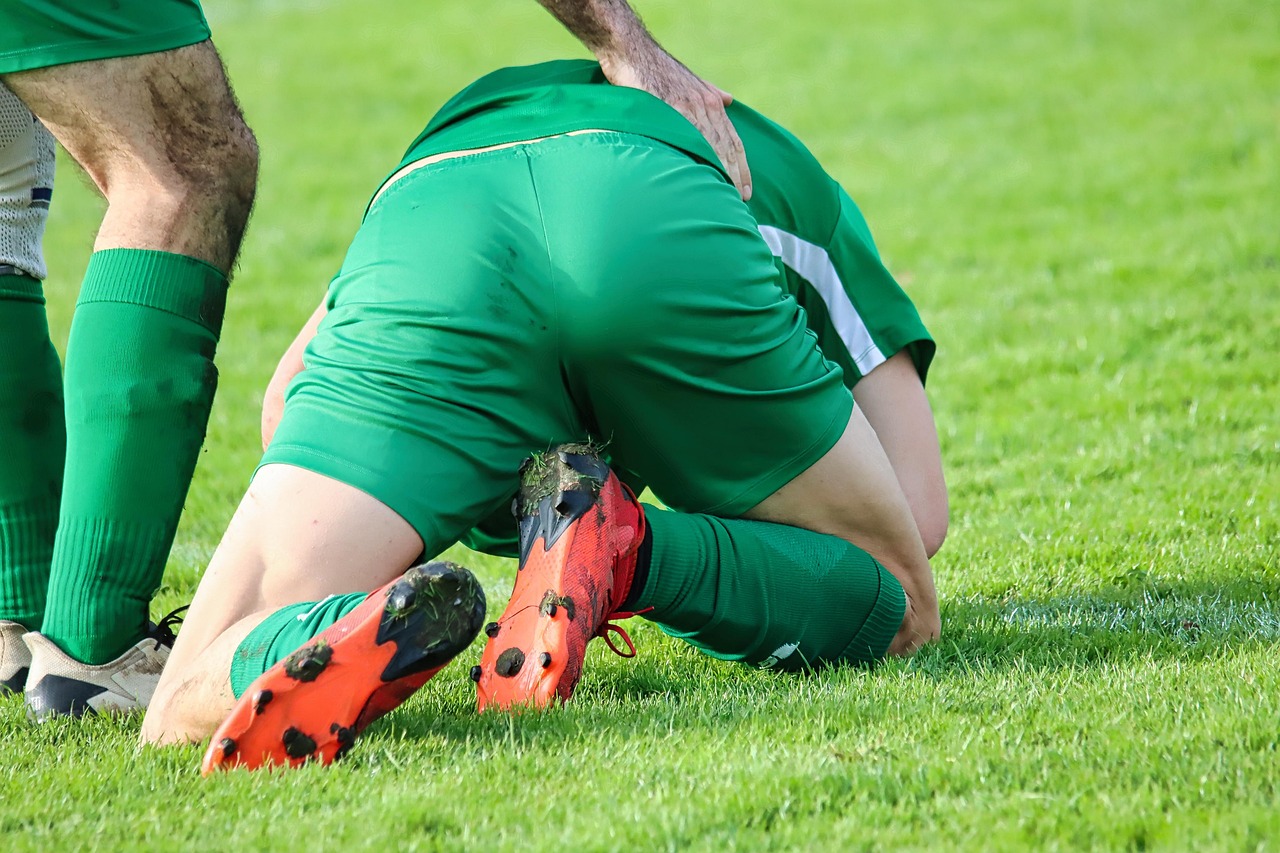

First Aid Tips for Immediate Sports Injury Care
Sports injuries can occur suddenly and unexpectedly during physical activities. Recognizing the type of injury you are dealing with is essential for providing appropriate care. Common injuries like sprains, strains, and fractures can result from high-impact activities. Firstly, the initial response to an injury can significantly impact recovery. Upon recognizing an injury, follow the R.I.C.E. protocol: Rest, Ice, Compression, and Elevation. Rest the injured area to prevent further damage. Apply ice for 15-20 minutes every hour to reduce swelling and pain. Use a compression bandage to help minimize inflammation. Lastly, elevate the injured limb to assist in reducing swelling by allowing fluids to flow away from the injury site. Don’t forget to monitor the affected area for any signs of severe injury like a fracture. If a fracture is suspected or pain persists, consult a healthcare professional. Remember that timely first aid is crucial and can often make a significant difference in your recovery process after a sports injury.
Understanding Common Sports Injuries
Being aware of prevalent sports injuries can aid athletes and trainers in preparing for accidents. Sprains and strains are among the most common injuries with different causes and symptoms. A sprain occurs when ligaments are stretched or torn while a strain affects muscles or tendons. Treatment varies, but rest and ice are basic initiatives. Another common injury has to do with fractures, which can be acute or chronic. An acute fracture follows a high-impact collision while a chronic fracture develops over time due to stress on the bones. Fractures often require immediate medical assistance, and recognizing signs like severe pain or swelling is vital. Other injuries include tendonitis, particularly in athletes who overwork their muscles without proper warmup or cooldowns. Recognizing the early signs of injuries can help in adjusting training regimens to avoid further complications. If aches and pains persist, or if you’re unsure about the injury’s severity, professional evaluation is key. Injury prevention measures are equally important, including proper gear and education on techniques.
Prevention strategies are essential in sports medicine to reduce the incidence of injury during training and competitions. An effective strategy involves proper warm-up sessions that prepare the body for physical exertion. Stretching and light exercises increase blood flow to muscles. Additionally, ensuring athletes are wearing appropriate and well-fitted gear is vital for injury prevention. Footwear, in particular, should be appropriate for the activity to provide necessary support. Hydration is another crucial aspect, particularly during sports events in hot weather. Dehydration increases vulnerability to cramping and injuries. Coaches must educate athletes on recognizing their physical limits and knowing when to stop rather than pushing through pain. Regular strength and conditioning workouts improve overall fitness, reducing the likelihood of injuries. Incorporating modules for injury education can significantly diminish sports injuries among athletes. Establishing a culture where athletes feel safe discussing their physical pains contributes positively to injury prevention. Monitoring for any warning signs helps forge a proactive approach to deal with potential injuries. By implementing these recommendations, athletes can enhance their performance while minimizing risks of injury.
The Importance of Immediate Response
Timely treatment plays a crucial role in addressing sports injuries effectively. Reacting immediately can mitigate pain and prevent the injury from worsening. For example, using the R.I.C.E. method within the first few hours post-injury can significantly enhance recovery. Additionally, helping the injured individual remain calm is important; panic increases stress, potentially worsening muscular tension. Suppose the injured athlete is conscious and responsive. In that case, offering reassurance while administering first aid can foster a more positive atmosphere for recovery. Assessing the area in need of help is key to avoiding further injury, so approach with caution. In some cases, immobilization may be necessary. For instance, sprains may require a splint or brace until professional help is available. If there are any signs of serious injury, such as open fractures or excessive bleeding, call emergency services immediately. Relay details of the injury and the actions taken. Your swift and knowledgeable actions could make a significant difference to the person receiving care and reduce recovery time effectively.
One risk following a sports injury is the potential for long-term pain or mobility issues. After initial care, follow-up is essential for proper healing. Consult healthcare providers or physical therapists to develop rehabilitation protocols tailored to the injury. Early involvement with a physical therapist can identify the right exercises needed for recovery. A personalized rehabilitation plan will facilitate gradual and safe return to the sport while reducing risks of reinjuring oneself. Home exercises may also complement professional sessions, emphasizing flexibility and strength. Keep in mind that adherence to prescribed rehabilitation schedules is crucial. These routines aim to restore function while decreasing pain and preventing future injuries. Stay attuned to your body’s responses during rehabilitation. If you experience increased pain or discomfort, report these changes to your medical team. Also, don’t rush the recovery process; gradual re-entry into physical activity is often more beneficial. Educating patients about this timeline is essential in managing their expectations. This way, athletes remain committed to their health while setting realistic goals for their return to sports.
Recognizing When to Seek Help
Knowing when to consult a medical professional for injury evaluation is vital for an athlete’s recovery. For basic injuries like minor sprains and strains, at-home care could suffice, provided symptoms settle down promptly. However, persistent pain or swelling after several days makes it necessary to seek advice. Also, if an unanticipated injury occurs during a game or training, consultation should follow. Athletes should be cautious of any unusual sensations like numbness, severe swelling, or an inability to bear weight, as these could indicate serious underlying issues. If there is observable deformity or limitations in normal movement, it’s crucial to seek medical help without delay. Performing at the highest physical levels requires awareness about one’s body and health. Athletes must understand that ignoring pain signals could lead to more severe injuries. It’s beneficial to establish direct lines of communication with sports medicine professionals or trainers at training facilities. Developing relationships with them allows quick access to evaluation and resources for injury management. Additionally, a detailed personal injury history can assist medical staff in tailoring solutions for individual cases.
Ultimately, fostering awareness and education about sports injuries can help athletes maintain better health. Both athletes and trainers should prioritize familiarizing themselves with recovery techniques and injury management strategies. Utilize workshops and training sessions aimed at presenting accurate information regarding care for various injuries. Team sports should promote a culture where all athletes feel comfortable discussing injuries or pain symptoms openly. This openness encourages faster identification of potential issues and helps prevent worsening conditions. Physicians may recommend athlete health screenings and preventative strategies; participation in these can be a significant advantage. Keeping updated with the latest research and approaches in injury care contributes to better outcomes. Consider creating a first aid kit tailored to common sports injuries to have readily available supplies during practices and competitions. Training team members in basic first aid is equally advantageous and enhances safety protocols. Invest time in reviewing essential first aid techniques and injury prevention strategies with your team. Awareness and preparedness lead to an overall safer sporting environment, promoting longevity in sports participation and enhancing enjoyment for all athletes.
Furthermore, integrating mental approaches into injury care can positively influence recovery processes. Psychological aspects, such as fear of re-injury, can severely affect an athlete’s return to their sport. Encouraging positive self-talk and visualization techniques supports emotional healing while addressing physical needs. Collaborating with sports psychologists allows individuals to process their experiences regarding injury properly. These professionals help develop coping strategies to encourage resilience and persistence during recovery. Group sessions promote shared experiences, encouraging communication and understanding amongst injured athletes. It’s essential to acknowledge that recovery happens not merely in physical terms but mentally as well. Home exercises could include mental drills to visualize successful performances post-recovery. Encouraging team dynamics can form supportive networks that empower healing. Sharing stories of successful recovery inspires hope while fostering community amongst athletes. Training will evolve to promote inclusivity and understanding of healing. Coaches and trainers should integrate mental health awareness into their programs. Creating a holistic nurturing environment supports comprehensive recovery, encouraging both mental growth and physical performance enhancement.