
The Future of Balance Training: Augmented Reality Tools
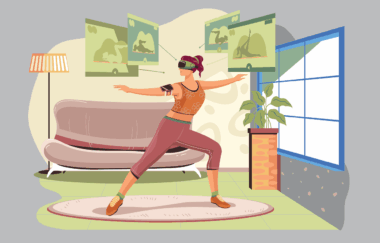
As technology continues to advance, the world of fitness is increasingly incorporating high-tech solutions to improve physical performance, particularly in balance training. The integration of augmented reality (AR) tools in balance training presents exciting opportunities for both athletes and everyday users. AR offers a unique way to engage participants by blending real-world environments with digital overlays. One of the most significant benefits is the ability to create immersive scenarios that challenge the user’s balance in dynamic conditions. This fosters an engaging learning environment, making balance training not only effective but also enjoyable. Studies have shown that using AR can significantly enhance motor learning. Additionally, AR tools provide immediate feedback, allowing users to make real-time adjustments to their movements. These enhancements facilitate a more effective training experience, which is especially valuable for rehabilitation programs. Many fitness professionals are beginning to adopt AR technologies, helping clients regain strength and coordination. Individuals using these tools report notable improvements in their balance capabilities. The flexibility and adaptability of AR applications make them a key player in the future of exercise regimes.
The current landscape of balance training is evolving, moving from traditional methods to more innovative solutions like AR. Traditional balance training techniques often involve monotonous exercises, potentially leading to disengagement. However, AR tools capitalize on interactivity, providing users with visually stimulating environments. This leads to increased motivation and encourages users to take ownership of their training. The ability to visualize their progression and performance remains crucial. Players can engage in balance-building activities that were once limited to gyms, now accessible from the comfort of their homes. Furthermore, this technology allows for customization based on individual progress and needs. Athletes or regular users can receive personalized training experiences that adjust according to their responses in real-time. Research is beginning to recognize the potential of these tools in various fields, from sports to rehabilitation. For professionals working with injuries, these tools can easily gauge a patient’s balance ability and track their recovery. As such, AR techniques can be tailored to meet specific objectives, improving user engagement and outcomes overall.
Benefits of Augmented Reality in Balance Training
When examining the advantages of augmented reality applications for balance training, the ability to improve user engagement stands out. Engaged users are more likely to adhere to their exercise regimes, thus achieving better outcomes. AR gives instant, visual feedback that helps users assess their performance. This feedback loop is essential for honing their skills and making adjustments during training sessions. By presenting exercises in an interactive manner, users can experience various scenarios, facing unique challenges that enhance their balance abilities. Moreover, AR can simulate environments that may be difficult to train in otherwise. Athletes can practice their balance in settings that mimic actual game situations. This facet is beneficial for sports professionals who require precise balance control during competition. Furthermore, the technology can help with gamification, making workouts akin to playing a game rather than feeling like a chore. In this case, individuals might be motivated to practice more frequently. Overall, AR has revolutionized how balance training can be approached and executed, providing various pathways for physical improvement.
Incorporating augmented reality into balance training routines brings forth innovations that can significantly optimize physical therapy. Therapists and trainers can leverage AR to tailor exercises based on each patient’s unique needs. This level of customization enhances the overall effectiveness of rehabilitation strategies. Additionally, AR technology can track patients’ progression over time, allowing therapists to visualize improvements. This objective data can help refine therapeutic approaches and ensure patients receive the support they require for recovery. While adhering to their training protocols, patients are more likely to complete their exercises, thanks to the engaging formats offered by AR tools. Moreover, research has shown that balance training facilitated through AR can lead to improved outcomes in patients recovering from surgery or injury. The interactive nature provokes physical and cognitive engagement, addressing both aspects simultaneously. Utilizing AR creates a supportive environment for learning, resulting in a better experience for patients and healthcare providers alike. As treatment paradigms shift towards more personalized care, augmented reality will undoubtedly play a crucial role in advancing balance training within rehabilitation protocols.
The Role of Gamification in AR Balance Tools
Gamification is another pivotal element that enhances the appeal of AR balance training tools. By incorporating game mechanics, these technologies create enjoyable environments that encourage users to engage actively in their workouts. Gamified elements such as rewards, levels, and challenges can stimulate users, transforming mundane exercises into dynamic experiences. The competitive nature of gaming can motivate users to push their limits, striving for better scores or achievements. Balance training no longer feels like a repetitive task; it becomes a fun adventure that encourages exploration and growth. These gaming aspects can cater to all fitness levels, enabling customization of challenges that suit individual abilities. People who may feel intimidated by traditional workout environments find gamified AR tools inviting and accessible. Furthermore, external incentives can boost motivation and adherence to training. Individuals may exhibit commitment to their regimen, seeing tangible improvements that make it worth their time. As a result, gamification has the potential to significantly reshape how users approach fitness, particularly in challenging areas such as balance training.
Looking ahead, the future of augmented reality tools in balance training appears exceptionally promising. With continued advancements in technology, it is likely that these applications will become more sophisticated and user-friendly. The possibilities for integrating AR tools into daily exercise routines are virtually limitless. As more fitness professionals adopt AR technologies, user experiences will likely improve due to the wealth of feedback and data acquired. Research and development will undoubtedly prioritize enhancing the immersive qualities of AR environments, ensuring that they remain engaging. Emerging fields of study might explore how virtual and augmented realities can further improve physical fitness. As AR tools grow increasingly accessible, we may see a rise in their use not just in gyms but also in homes, schools, and even workplaces. The growing body of research and testimony surrounding these tools will propel them forward, fostering their integration into standard best practices for fitness and rehabilitation. Therefore, AR may ultimately redefine how balance training is approached and delivered across various sectors, creating expansive opportunities for enhancement in physical conditions.
Challenges and Considerations for Implementation
Despite the numerous benefits of introducing augmented reality into balance training, several challenges must be addressed before widespread adoption occurs. First, accessibility to this technology remains a barrier for many potential users, particularly in underprivileged communities. The financial implications of acquiring AR devices could deter individuals interested in engaging with these tools. Moreover, educators and trainers must receive thorough training to utilize these tools effectively, ensuring they can maximize their potential. Without proper understanding and support, users may struggle to see the benefits of AR, leading to frustration or disengagement. Additionally, ensuring a seamless user experience is critical in the design phase. Developers must take into account different fitness levels, physical limitations, and varying learning styles among users. Finally, data privacy concerns pose significant challenges to adopting AR in balance training. Users must feel secure that their data will be safely managed and not exploited. Addressing these challenges will be vital for the future integration of augmented reality tools in balance training and beyond, ensuring everyone can benefit from these exciting advancements.
While augmented reality tools hold tremendous potential for balance training, continuous development will be essential to keep pace with changing user needs and preferences. As technological advancements occur, keeping updated with the latest AR innovations will be pivotal in its application to physical fitness. We can anticipate interactive experiences becoming even more tailored, alongside improvements in user interfaces that make access easy for all. Focusing on community and feedback mechanisms will help technology evolve in ways that genuinely address user concerns. Fitness professionals are encouraged to share their experiences with AR tools, contributing insights that shape their future development. Building collaborative networks will cultivate a more robust understanding of how to maximize the effectiveness of these tools, ensuring they can be effectively used in various environments. The future also involves expansion into previously uncharted territories, utilizing AR to create interdisciplinary studies that combine elements from sports science, rehabilitation, psychology, and technology. As interest grows, additional funding could support innovative projects that utilize augmented reality in balance training. Overall, remaining adaptable and responsive to advancements and user feedback will be crucial for the ongoing evolution of balance training tools.