
The Science Behind Protein Supplements for Athletes
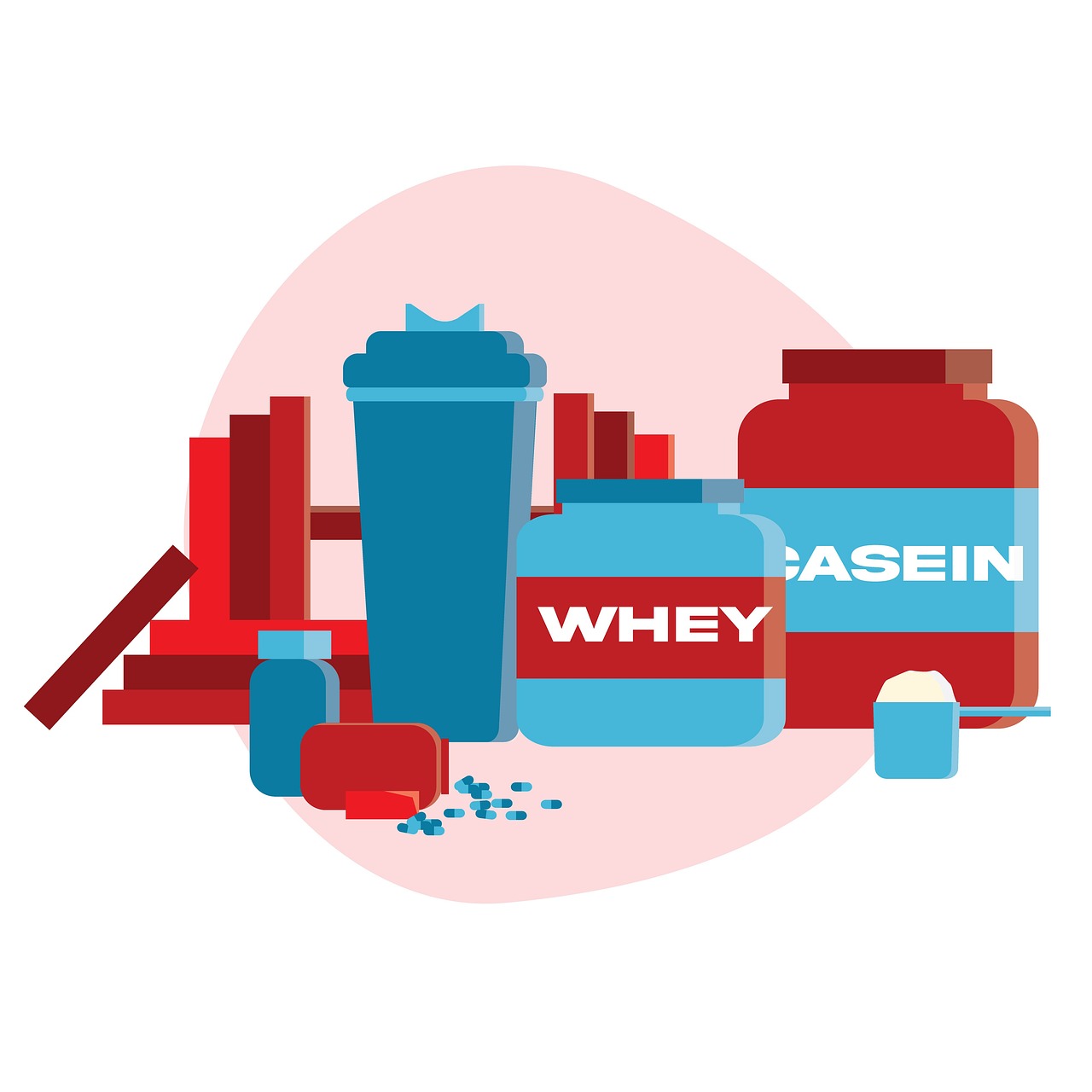
Protein supplements have emerged as a vital aspect of nutrition for athletes. They provide the necessary amino acids required for muscle repair and growth. Ensuring adequate protein intake is essential, especially for athletes who engage in intense training or competing in endurance sports. These supplements come in various forms such as whey, casein, and plant-based protein powders. One of the main benefits is the convenience they offer; athletes can consume them quickly before or after workouts. Additionally, they can help meet protein requirements when whole foods are not available or practical. It is recommended that athletes consume protein within a window of approximately 30 minutes after exercise, as this timing enhances recovery. Many athletes have reported improved muscle recovery and reduced soreness when incorporating protein supplements into their diets. However, it is essential to balance supplement intake with whole food sources to ensure a well-rounded diet. Foods such as chicken, fish, lentils, and legumes should still be staples in an athlete’s meal plan. By understanding the science behind these supplements, athletes can make informed decisions that align with their dietary needs.
Protein requirements can vary significantly among athletes, depending on their specific training regimens and goals. The general guideline suggests that athletes should aim for about 1.2 to 2.0 grams of protein per kilogram of body weight. For those engaged in strength training or high-intensity workouts, this amount is crucial to support muscle synthesis. Consuming adequate protein helps prevent muscle loss during the rigorous demands of training. Furthermore, different protein sources contain varying types of amino acids; thus, combining them can enhance their efficacy. For instance, whey protein is rich in branched-chain amino acids (BCAAs), which are particularly effective in stimulating muscle repair. On the other hand, casein offers a slow release of amino acids, making it ideal for consumption before sleep. Athletes are encouraged to strategize their protein intake throughout the day. Rather than large quantities at once, spreading protein consumption across meals can optimize muscle utilization. This approach supports sustained energy levels and recovery. It’s not only about supplements; integrating rich sources of protein regularly into meals is essential for achieving high performance in athletic endeavors. Balancing timing and sources can lead to better overall results.
The Role of Protein in Recovery
Recovery is a crucial aspect of athletic performance, making protein intake vital in the post-workout phase. When athletes engage in strenuous exercise, muscle fibers undergo trauma and require repair and rebuilding. Consuming protein soon after exercise helps initiate the recovery process. The amino acids from protein are the building blocks necessary for this repair. Studies have shown that athletes who consume adequate protein after workouts experience less muscle soreness and increased strength recovery. Hydration is also an integral part of the recovery process, so protein drinks combined with electrolytes can be particularly effective. It’s recommended to aim for a post-workout meal that contains not only protein but also carbohydrates. Carbohydrates help replenish glycogen stores, while protein repairs the muscles. This synergistic effect improves recovery time and overall performance. Adding sources like Greek yogurt, protein shakes, or cottage cheese can provide convenient options. However, the choice of protein supplement should be tailored to individual preferences and tolerances. While protein powders are beneficial, whole foods should remain a priority in recovery strategies. Finding a balance ensures that athletes receive adequate nourishment throughout their training cycles.
Protein supplements are not free from controversy, with debates surrounding their necessity and effectiveness. Some critics argue that athletes can easily obtain sufficient protein through food alone. Although this is true for many, the convenience and targeted benefits of protein powders cannot be overlooked. Busy schedules may make it challenging for athletes to prepare balanced meals on a consistent basis. For these individuals, protein supplements serve as a practical alternative. Furthermore, advancements in supplement formulations have led to products that are more easily digestible and better absorbed. It’s important for athletes to choose high-quality protein that is free from fillers and artificial ingredients. Reviews from reliable sources can guide the selection process. Moreover, maintaining a holistic approach to nutrition involves considering other macronutrients like fat and carbohydrates, which play essential roles in energy supply and overall health. Therefore, while protein supplements can be an integral part of an athlete’s diet, relying exclusively on them is not advisable. A comprehensive diet consisting of diverse foods helps to ensure that nutritional needs are met, thereby supporting optimal training outcomes.
Potential Risks of Protein Supplements
While protein supplements can offer benefits, there are also potential risks and concerns associated with their use. One prominent issue is the possibility of excessive protein intake, which could lead to health complications, including kidney strain in susceptible individuals. Athletes should be mindful of their overall protein consumption to avoid exceeding recommended levels. In addition, some protein supplements may contain high levels of added sugars or artificial ingredients. These additives can compromise health and may negate the benefits of consuming protein. It’s crucial to read labels and choose products that use clean ingredients. Allergic reactions can also occur, particularly with certain protein sources like whey or soy. For those with sensitivities, selecting hypoallergenic protein options becomes a key consideration. Finally, interactions with medications or supplements can pose risks; thus, consultation with a healthcare provider is advisable before using new products. Athletes must prioritize their health and well-being, making informed choices about dietary supplements. Balancing protein intake from supplements and whole foods can mitigate these risks while still enhancing athletic performance effectively.
Incorporating protein supplements into an athlete’s regimen should be approached thoughtfully and strategically. The timing of intake, type of protein, and quantity all play critical roles in achieving desired outcomes. For athletes looking to optimize performance, balancing their nutrition with macronutrient sources is essential. Monitoring overall dietary patterns can lead to better adjustments that benefit training goals. Consulting with a registered dietitian specializing in sports nutrition can provide personalized guidance and recommendations. This professional can help craft a meal plan that takes into account individual requirements, preferences, and training loads. Additionally, incorporating variety into protein sources ensures a broader array of nutrients is consumed. Such diversity can enhance overall health and resilience, fostering improved endurance and strength. Athletes who successfully integrate well-planned protein supplementation are likely to experience enhanced performance along with reduced risk of injury. Social support from coaches, trainers, and peers can also bolster commitment to nutritional strategies. Together, these elements create a comprehensive approach to nutrition that can support athletes in achieving their peak performance levels. Tailoring protein intake while maintaining a balanced diet sets the foundation for success.
Conclusion: Making Informed Choices
In conclusion, understanding the science behind protein supplements is crucial for athletes. These supplements can be beneficial tools, particularly when used correctly and in conjunction with whole foods. A strategic approach to protein intake emphasizes the timing, quality, and amount of protein consumed. Encouraging athletes to educate themselves about various protein sources can help them make informed decisions that align with their nutritional needs. With the right knowledge, athletes can decide when and how to incorporate protein supplements into their routine for optimal performance. Balancing protein supplementation with attention to overall diet can foster health and sustainability. In doing so, athletes position themselves for success in their respective sports. Furthermore, continued research and new studies will shed light on effective strategies to enhance recovery and performance through nutrition. Athletes should remain adaptable and open to new information as they navigate their training journeys. Ultimately, understanding one’s body, nutritional needs, and preferences will lead to better results and long-term health benefits. By prioritizing nutrition, athletes can unlock their full potential, reaching new heights in their athletic pursuits.
Adopting a lifestyle that supports athletic performance elevation complements protein supplementation. Maintaining hydration and properly timing carbohydrate intake significantly enhances energy levels and recovery. This integration creates a well-rounded approach that extends beyond merely focusing on protein. By understanding the interplay among various nutrients, athletes can create optimal diets that support sustained performance and overall wellness.