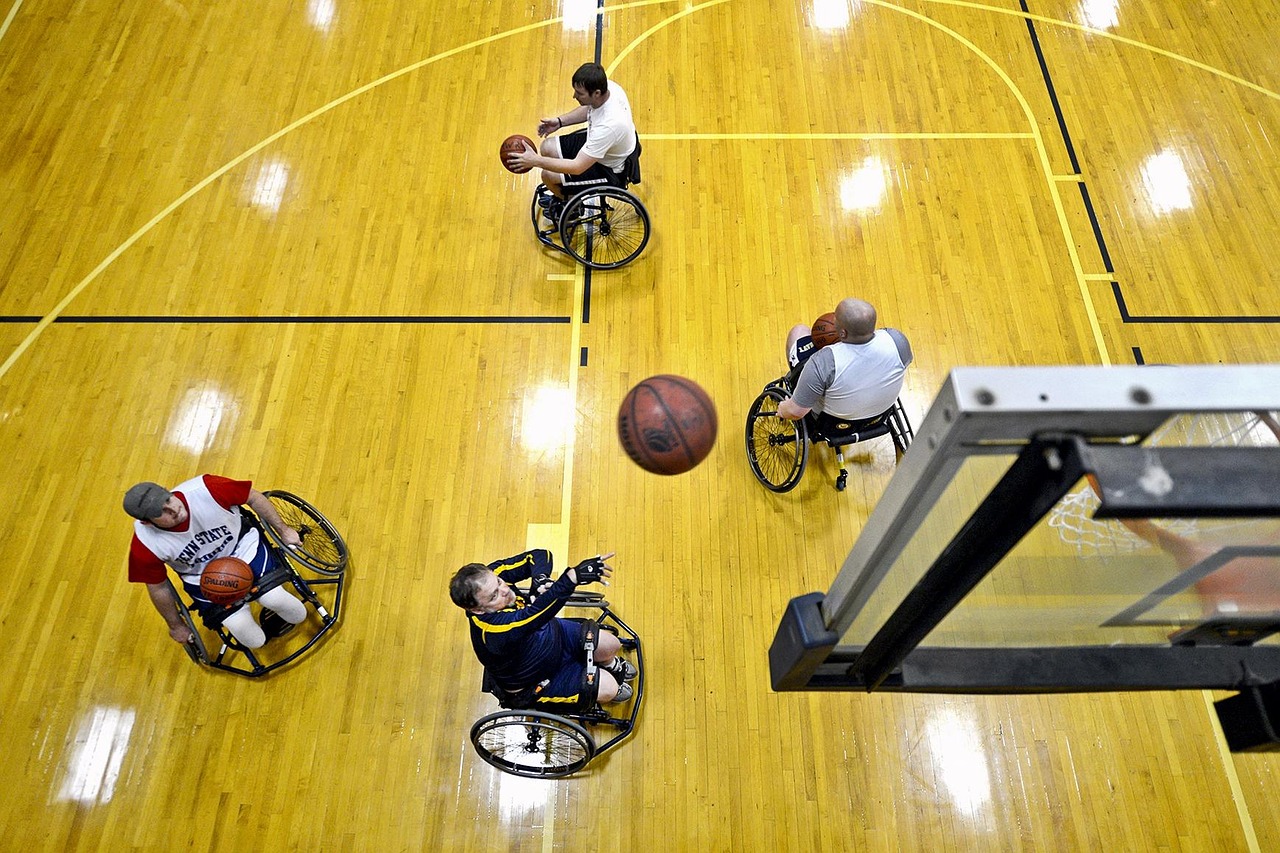

Historical Milestones in Wheelchair Basketball
Wheelchair basketball has a rich history dating back to World War II, initially conceived as a form of rehabilitation for injured soldiers. In 1946, the first official game was organized in the United States, showcasing the emergence of this exciting sport. The National Wheelchair Basketball Association (NWBA) was established in 1949, allowing a structured framework for teams and tournaments to flourish. By the 1960s, wheelchair basketball gained international traction, with the first European championship held in 1968. The establishment of the International Wheelchair Basketball Federation (IWBF) in 1982 helped standardize rules and heightened the sport’s global appeal. Major competitions, including the Paralympic Games, integrated wheelchair basketball starting in 1960. This significant inclusion highlighted the athleticism and skill of athletes with disabilities. Over the years, wheelchair basketball has developed innovations in equipment and competitive formats, contributing to its recognition as a premier adaptive sport. As a result, it aids in promoting inclusivity and breaking down societal barriers across cultures. Athletes continuously push boundaries, inspiring future generations through advocacy and performance. Today, wheelchair basketball remains a symbol of resilience and determination worldwide, gaining more popularity every year.
The 1970s marked another significant era for wheelchair basketball as it gained further institutional support and visibility. This period saw the advent of youth programs designed to engage younger athletes and teach skills from an early age. Events such as the first National Junior Wheelchair Basketball Tournament held in 1979 in the U.S. cultivated talent and provided essential competition for emerging players. Moreover, by creating structured leagues and associations, the sport nurtured a sense of community and belonging for participants. The introduction of women’s wheelchair basketball leagues in the late 1970s expanded opportunities, leading to the establishment of national teams specifically for female athletes. The first Women’s World Wheelchair Basketball Championship occurred in 1990, further showcasing the incredible talent of female players. With the rise of media coverage and sponsorships, wheelchair basketball began to attract attention, amplifying the importance of inclusivity in sports. The diverse range of competitions provided a platform for athletes to demonstrate their skills on international stages. Events such as the Paralympics shifted the global narrative surrounding disability, allowing for an inspiring showcase of sport. It turned perceptions and attitudes positively, celebrating diversity and athletic achievement collectively.
Global Reach and Competitive Structure
In the 1980s, wheelchair basketball continued to evolve and broaden its competitive landscape, inspiring athletes worldwide. During this time, the IWBF developed key international competitions and established continental championships to enhance participation. Regional leagues burgeoned, allowing various countries to field competitive teams. The introduction of classification systems ensured fair play and level competition among athletes with different disabilities. Meanwhile, the sport began to incorporate different styles of play, increasing its unpredictability and excitement for fans. The inclusion of wheelchair basketball in the quadrennial Paralympic Games helped solidify its esteem among opponent sports. In 1988, the Seoul games marked a pivotal point, with wheelchair basketball gaining recognition on a global platform. Females and males competed simultaneously, emphasizing equity within the sport. The intensity of the games captivated audiences, propelling wheelchair basketball into mainstream media. As a result, various nations initiated development programs, scouting and nurturing talent, creating pathways to elite-level participation. Thriving at both grassroots and professional levels, wheelchair basketball expanded beyond its traditional boundaries, exemplifying the benefits of collaboration and sportsmanship. These milestones and developments significantly shaped the future of wheelchair basketball creatively and strategically.
The 1990s heralded significant advancements for wheelchair basketball, particularly regarding governing regulations and international cooperation. The IWBF and various national organizations continued to refine rules, ensuring alignment with other basketball organizations. The 1996 Atlanta Paralympics saw enhanced competition standards and unprecedented coverage, resulting in increased visibility for the sport. The success of these events inspired further investment in player development and training programs. Coaches began to employ advanced strategies tailored to wheelchair basketball, emphasizing tactical elements that could level the playing field against able-bodied competition. The formation of collegiate programs in several countries provided educational opportunities, allowing athletes to pursue academics and sports simultaneously. A considerable shift occurred in 2001 when the IWBF created the first cross-continental club competition, the IWBF Champions Cup, providing platforms for clubs to compete internationally. Such initiatives fostered intrinsic motivators for athletes, encouraging them to excel. Moreover, technological advancements led to innovative wheelchair designs, enhancing athletes’ agility and performance on the court. Understanding the importance of grassroots engagement, many local clubs worked to involve communities, breaking barriers. This encouraged broader participation and understanding of the sport’s values, thereby nurturing a holistic approach towards inclusive sporting opportunities.
Recent Developments and Future Directions
In the 21st century, wheelchair basketball has made tremendous strides toward equity, innovation, and awareness. Recognizing the need for inclusivity, organizations emphasized various initiatives, campaigns, and programs that address diversity and promote adaptive sports. The introduction of the World Para Sports initiative strengthened athlete representation across various sports, including wheelchair basketball. The official recognition of 3-on-3 wheelchair basketball brings diversity and excitement to adaptation formats for competitions, drawing in larger audiences and increasing participation. Additionally, technology has transformed the way athletes train and compete. Enhanced performances through high-tech wheelchairs and integrated analytics improve training regimens and competitive insights. The 2020 Paralympic Games in Tokyo showcased an outstanding level of play, further illustrating wheelchair basketball as a premier event worthy of celebration. Athletes captivate audiences with their extraordinary skills and fierce competitions, creating an emotional connection with fans. As the sport continues to grow, it creates avenues for more diversified participation worldwide. Initiatives surrounding women’s empowerment within sports are crucial, allowing women athletes to shine in the spotlight. Through educational outreach and community partnerships, wheelchair basketball promises to foster perpetual growth and inclusivity.
As wheelchair basketball thrives in the global sports arena, the need for continuous advocacy remains paramount. The role of media in broadcasting wheelchair basketball games impacts perceptions and societal attitudes toward athletes with disabilities. Not only does increased visibility inspire aspiring players, but it encourages community engagement and support. Additionally, sponsors and commercial partners play a vital role in the development of wheelchair basketball leagues and events, providing critical funding and resources. Developing joint ventures with non-profit organizations and educational institutions ensures sustainability in promoting wheelchair basketball across different demographics. Establishing mentorship programs connects new players with experienced athletes, enhancing their skills and fostering an inclusive culture. Realizing changes in legislation and policy will allow for equal opportunities, thereby creating a foundational framework for adaptive sports. Utilizing technology in training environments will also enable athletes to maintain a competitive edge. With the support of advocates, players, and partners, wheelchair basketball can enhance its global reach, iterating opportunities for all involved. As athletes continue to charge forward, the sport will undoubtedly become an integral part of the sports landscape, inspiring action, growth, and perseverance. The journey of wheelchair basketball is ongoing, with promising horizons to explore.
Conclusion
The history of wheelchair basketball is a testament to resilience and dedication, showcasing remarkable achievements alongside challenges. Such historical milestones pave the way for future successes and opportunities in adaptive sports. As the sport continues to evolve, it remains a powerful ally for individuals with disabilities, fostering sporting engagement and societal acceptance. Each contribution made, whether through athletes, coaches, or advocates, helps to rewrite narratives and broaden opportunities. The ongoing support from communities, organizations, and educational platforms is paramount for sustaining progress. With tireless commitment, wheelchair basketball will inspire generations, creating a culture of inclusivity and determination. Funding, resources, and visibility will continue to be pivotal in enhancing the athlete experience and future growth. As we reflect on this dynamic history, we also look to the future, eager to witness the next chapter in wheelchair basketball. Continuous innovations in training, equipment, and community involvement will ensure this sport’s place in the broader sporting landscape. In essence, wheelchair basketball is not just a sport; it is a movement that champions empowerment, celebrates diversity, and encourages collaboration. Let us be part of this inspirational journey forward.
With a rich tapestry of achievements, wheelchair basketball’s milestones resonate deeply within and beyond sports. They reflect societal shifts towards embracing diversity and inclusivity, redefining perceptions about disabilities. The ongoing evolution of the sport mirrors broader cultural changes, reinforcing the importance of adaptive athletics as a powerful medium of expression. Furthermore, the camaraderie developed among players fosters important life skills, such as teamwork, perseverance, and discipline essential in all spheres. Numerous players transition into ambassadorial roles, advocating for awareness and support around disability sports, captivating audiences worldwide. Through grassroots initiatives, enhanced media coverage, and international competitions, wheelchair basketball promotes unity and connection across borders. Each athlete’s journey underscores resilience, breaking stereotypes while challenging the status quo. A growing phenomenon within our society today, wheelchair basketball embodies the essence of courage and sportsmanship. The communal experience unites fans and players alike, ensuring the sport resonates in both local and global contexts. Inclusive development programs celebrating sports cross-cultural barriers, aiming to dismantle socio-economic obstacles. As the landscape continues to evolve, wheelchair basketball stands poised for further advancements, growth, and collective celebration of human capabilities regardless of ability. Future generations will undoubtedly cherish the legacy of wheelchair basketball.