
Meditation Practices for Better Night’s Rest
Achieving a restful night’s sleep is crucial for overall health and well-being. One effective method to improve sleep quality is incorporating mindfulness and meditation into your nightly routine. These techniques not only help quiet the mind but also reduce the stress that can hinder sleep. Engaging in mindfulness practices before bed allows you to unwind and shift your focus away from daily distractions. As you start this journey, remember that consistency is key. Incorporate meditation a few times each week to see significant improvements. One simple technique is the body scan meditation, where you focus your attention on each part of the body. This activity promotes relaxation and an awareness of physical sensations, making it easier to drift off to sleep. Further, using guided meditations tailored for sleep can enhance your experiences. Explore resources through apps and online platforms. Embrace this practice fully to cultivate habits that foster tranquility and peace at night. Through dedication and patience, meditation can become the cornerstone of a restful and restorative sleep experience.
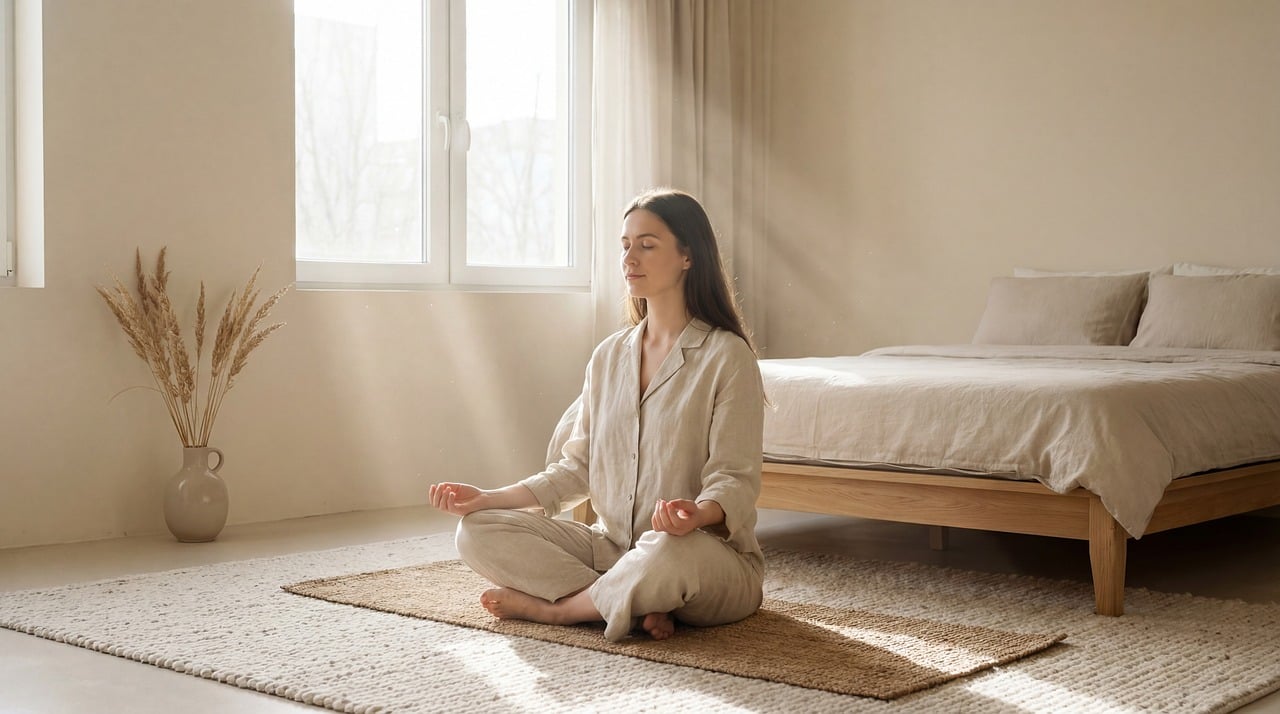
An essential aspect to consider when adopting meditation for sleep is your environment. Proper surroundings can significantly influence your ability to relax. Creating a dedicated space for your practice can convey your intention and mentally prepare you for restful sleep. Dim light, comfortable bedding, and minimal noise contribute to a calming atmosphere, enhancing your meditation sessions. Aromatherapy is another great tool to incorporate; using essential oils like lavender may promote relaxation and improve the quality of your sleep. Experiment with different scents to discover what suits your preferences best. Remember to limit screen time an hour before bed, as the blue light emitted from devices can interfere with melatonin production. Instead, focus on the soothing sensations of your meditation and the environment you’ve crafted. As you settle down to sleep, allow your body and mind to blend into a state of calm. Incorporating these external factors not only prepares you for meditation but cultivates an ideal environment for sleep. Embrace the entirety of this process, including where you practice, and transform your nighttime into a sanctuary of rest.
Breathing Techniques for Sleep
Another practical approach to improve your sleep through meditation involves specific breathing techniques. Deep breathing exercises can effectively lower anxiety and promote relaxation, ultimately preparing the mind and body for sleep. A popular technique is the 4-7-8 method. Inhale deeply through your nose for four seconds, hold your breath for seven seconds, and then exhale slowly through your mouth for eight seconds. This rhythmic pattern helps regulate heart rate and encourages the body to release tension. Incorporating such practices into your nightly routine can gradually teach your body how to relax effectively. Moreover, this technique can be performed anywhere, making it a versatile tool. Find a comfortable position, breathe deeply, and let go of the day’s stress. Engage fully in the act of breathing, focusing your awareness solely on the inhalation and exhalation. Over time, as your body recognizes this as part of your bedtime routine, you’ll likely find it easier to drift into sleep. Regular practice of these breathing techniques can significantly enhance your overall sleep quality, resulting in rejuvenating nightly rest.
Visualization techniques offer another incredible approach to achieving better sleep through mindfulness. This method involves generating peaceful images or scenarios in your mind to help ease you into a restful state. Imagine yourself in a tranquil forest surrounded by soft sounds and gentle breezes, fully immersing in this serene environment. Alternatively, you can visualize a favorite memory, which brings comfort and warmth. By concentrating on these calming images, you actively distract your mind from anxious thoughts that can disrupt your sleep. To enhance this experience, incorporate the practice of progressive muscle relaxation. As you visualize calming scenes, systematically tense and release each muscle group. This process promotes physical relaxation and encourages deeper states of awareness. Pairing visualization techniques with deep breathing can intensify their effectiveness, creating a holistic approach to sleep. Moreover, you may find that the more you practice visualization, the easier it becomes to access these serene images, making sleep a more effortless endeavor. With patience and dedication, this practice can become a powerful tool in your bedtime routine.
Mindfulness Meditation Techniques
Incorporating mindfulness meditation techniques into your routine enhances your ability to sleep better. These techniques focus on cultivating awareness and presence in the moment, thus reducing stress and anxiety. One effective approach is mindful noting, where you observe your thoughts without judgment. As thoughts arise, simply note them and let them drift away, leading to a sense of mental clarity. You can also practice loving-kindness meditation, a technique aimed at fostering compassion towards yourself and others. This method involves silently repeating phrases of goodwill and love, which helps soften the heart and mind. Integrate both practices before bedtime; find a comfortable position, close your eyes, and allow yourself to relax. Consistently engaging in these mindful practices creates a deeper connection to your body’s needs and emotions, ultimately fostering healthier sleep patterns. As you navigate this journey, remember that progress takes time; be kind to yourself throughout the process. With practice, you may discover greater peace and a more profound experience when transitioning into sleep.
Managing thoughts and feelings is crucial for improving sleep. Developing a reflective practice as part of your meditation routine can facilitate this process. Consider maintaining a sleep journal to record your thoughts, feelings, and experiences before bedtime. This practice allows you to process emotions, letting go of daily stressors. By documenting your thoughts, you actively declutter your mind, resulting in a lighter demeanor as you prepare for sleep. Furthermore, utilizing gratitude practices during your nightly meditation can enhance your emotional well-being. Take a moment to reflect on three things you are grateful for each day. This reflection fosters a positive mental state, counteracting negativity and worry. Expressing gratitude encourages a more relaxed mindset and promotes a sense of security, helping to quiet the mind. When you integrate these reflective practices into your bedtime ritual, you may find that your worries and anxieties diminish. After consistently utilizing these methods, many individuals report improved sleep quality and increased clarity upon waking. Ultimately, engaging in mindfulness helps nurture a balanced emotional state, creating an ideal scenario for restful sleep.
Regularity and Rituals
Lastly, establishing a consistent sleep schedule and rituals can significantly impact your sleep quality. Just like meditation, consistency is beneficial for helping the body understand when it’s time for rest. Strive to go to bed and wake up at the same time every day, even on weekends, to regulate your internal clock. A predictable routine signals your body that it’s time to wind down. Integrate calming rituals into your nightly practice, such as drinking herbal tea, dimming the lights, or reading a book. Allowing these activities to form a foundation helps prepare your mind and body for sleep. Additionally, allocating time for meditation or mindfulness right before bed further enhances this ritualistic approach. By consistently repeating these behaviors, you create a strong mental association between these activities and the sleep state. Importantly, ensure that your wind-down period is relaxing and devoid of stressors. Embrace these calming activities as precious moments to prioritize yourself and your well-being. Ultimately, these routines can nurture an environment of restful sleep, leading to rejuvenated mornings and greater overall health.
By employing meditation practices, creating a supportive environment, and adopting mindful habits, you can genuinely enhance your sleep quality. Transforming your evenings begins with understanding the importance of mindfulness and dedication to nurturing restful states. Initiate meditation practices into your routine today and embark on a journey toward improved sleep. Such changes may open doors to renewed energy, creativity, and enthusiasm for daily life. Embrace this journey wholeheartedly and savor the process of creating a peaceful transition into sleep. Remember that change takes time, so cultivate patience as you experiment with various techniques. Each exploration provides valuable insights and powerful tools in improving sleep. As you tap into the positive effects of meditation, let go of stress, embrace a calm state, and invite restorative sleep into your life.