
The Effectiveness of Tai Chi in Enhancing Vestibular Function
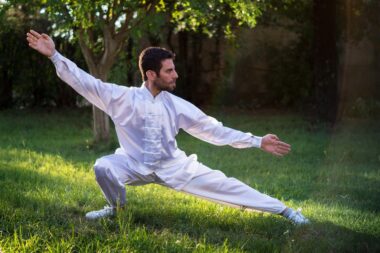
Tai Chi is a traditional Chinese martial art known for its slow, deliberate movements and focus on balance and coordination. Recent studies have highlighted its potential to enhance vestibular function, which is crucial for maintaining balance and spatial orientation. The vestibular system helps the body respond to head movements and position changes. Tai Chi engages various muscle groups and promotes a deep awareness of body positioning, encouraging participants to improve their postural stability. Research indicates that practicing Tai Chi regularly can lead to significant improvements in individuals suffering from balance disorders. Several studies found that participants showed marked reductions in the frequency of falls. Moreover, opting for a practice like Tai Chi, which incorporates mindfulness and breathing techniques, adds to overall well-being and mental health. This holistic approach, combining physical movement with mental focus, may help in new treatment strategies for older adults dealing with balance issues. Therefore, considering Tai Chi as part of balance enhancement strategies could empower individuals seeking a graceful and low-impact method to maintain their equilibrium and promote functional independence throughout their lives.
The benefits of Tai Chi extend beyond physical balance improvement. Engaging in this practice encourages social interaction among participants, which is vital for mental well-being and emotional resilience. Group classes provide a supportive environment for individuals to connect, ensuring they remain motivated in their journey to improve balance and coordination skills. The combination of slow movements and interaction can reduce feelings of isolation, often experienced by older adults. Moreover, the emphasis on coordination in Tai Chi requires practitioners to engage both physically and mentally. This dual engagement can sharpen cognitive skills and foster a greater sense of self-awareness. Many practitioners report feeling more centered and confident in their daily activities. Incorporating Tai Chi into wellness programs may enhance quality of life, allowing participants to feel empowered in managing their health. This ability to navigate challenges confidently reflects positively on psychological health. Furthermore, Tai Chi’s gentle nature makes it an accessible option for individuals of all ages and fitness levels, ensuring that everyone can participate regardless of prior experience. As such, Tai Chi offers multiple dimensions of benefits, making it a valuable addition to any balance and coordination enhancement initiative.
Scientific Evidence Supporting Tai Chi
Controlled studies have been conducted to assess the effectiveness of Tai Chi in enhancing vestibular function and balancing skills. These studies reveal a consistent positive impact on balance control and mobility. Participants in research that practice Tai Chi showed significant improvements in their ability to maintain their balance during various tasks, including standing on one leg and walking in a straight line. The structured format of Tai Chi promotes fluid movement patterns which contribute to agility and stability when faced with sudden directional changes. For instance, one study involving older adults demonstrated that engaging in Tai Chi resulted in a significant decrease in the rate of falls over a six-month trial period. Participants reported feeling more stable during daily activities and less fearful of falling. These findings are crucial, particularly as falls are a leading cause of injury among older adults. These reliable results underscore the relevance of Tai Chi in clinical settings, advocating for its inclusion in rehabilitation programs for vestibular dysfunction and related conditions. Medical professionals can confidently recommend Tai Chi as a means to enhance balance and prevent falls in their patients facing these challenges.
Moreover, the integration of Tai Chi into rehabilitation programs offers an innovative approach to addressing balance issues. Unlike traditional treatment methods, Tai Chi provides a comprehensive mind-body connection approach that fosters physical recovery while enhancing mental well-being. Patients often find the low-impact movements of Tai Chi relieve stress on joints, allowing them to engage without exacerbating existing conditions. It also emphasizes slow, controlled movements, allowing individuals to work at their own pace and gradually build strength and coordination. This tailored approach makes it suitable for a wide range of patients, from those recovering from injuries to individuals with chronic balance disorders. Healthcare professionals can efficiently incorporate Tai Chi into comprehensive care plans, alongside other therapeutic interventions. Family members may also join in sessions, creating opportunities for shared experiences and support. This involvement can foster a positive atmosphere of encouragement while reinforcing patients’ dedication to improving their balance. Consequently, Tai Chi not only addresses physical impairments but nurtures a supportive community that prioritizes recovery and progress. This social aspect of practice is invaluable, motivating individuals and enriching their experiences, enhancing overall outcomes.
Physical and Mental Health Integration
Practicing Tai Chi consistently can have profound effects on both physical and mental health. The exercise blends physical activity with meditation, emphasizing mindful awareness in movement. By focusing on breath and posture, practitioners develop a holistic approach to fitness that contributes to lower levels of anxiety and stress. Notably, the rhythm and flow of Tai Chi movements foster relaxation, which is beneficial for managing everyday stressors. As participants engage in these flowing motions, they often experience a state of mental clarity, allowing for a more reflective mindset. This aspect is especially crucial for older individuals who may grapple with various health concerns that induce anxiety. Incorporating Tai Chi into relaxation routines can significantly improve overall quality of life. Additionally, enhanced mental focus improves coordination and concentration, which are essential elements of balance training. This dual focus on mental and physical aspects reinforces the effectiveness of Tai Chi in promoting overall well-being. Enhanced mood awareness further contributes to adherence to exercise routines, as practitioners often feel a sense of fulfillment and satisfaction derived from their progress in physical abilities and mental states alike.
Furthermore, Tai Chi is increasingly recognized for its broad applicability in community fitness initiatives. Many municipalities have incorporated Tai Chi classes into their wellness programming, offering accessible options for residents of varying age groups. This shift reflects the growing recognition of the importance of prevention in maintaining balance and reducing injury risks in the community. Local groups ensure that Tai Chi is inclusive, addressing the unique needs of individuals with constraints or mobility concerns. Regular community classes allow participants to build friendships and support networks, enhancing their overall experience and reinforcing retention rates. Evidence suggests that social support plays a significant role in encouraging regular participation in physical activities. This community-driven approach also helps raise awareness about the significance of balance and overall health among aging populations. Additionally, having structured community classes makes Tai Chi an appealing option as it fosters active lifestyles among participants, allowing them to engage meaningfully in enjoyable physical activity. Ultimately, Tai Chi’s integration into community health efforts signifies a necessary shift towards adopting preventive mental and physical health strategies tailored for all ages.
Long-Term Benefits of Practicing Tai Chi
Engaging in Tai Chi over an extended period leads to cumulative health benefits, particularly in enhancing vestibular function and balance proficiency. Long-term practitioners often report improvements that extend to other areas of health, including cardiovascular fitness, flexibility, and mental sharpness. These cumulative benefits contribute to a robust overall wellness experience. For older adults, maintaining an active lifestyle significantly influences their ability to age gracefully while reducing the likelihood of health complications arising from sedentary habits. Tai Chi encourages regular movement patterns ingrained within practitioners, promoting lifelong commitment to physical activity. The accessibility of Tai Chi makes it appealing not only for older generations but also across various demographics, ensuring sustained participation. As more individuals experience positive outcomes, the likelihood of promoting the practice to friends and family increases, creating a ripple effect in community health. Encouraging continual practice also involves incorporating progression elements to retain interest and foster personal growth, ensuring that individuals remain engaged. The long-lasting advantages of integrating Tai Chi into one’s routine create a healthier lifestyle, encouraging individuals to care for their physical and mental health effectively.
In conclusion, Tai Chi emerges as a multifaceted approach to enhancing vestibular function and balance health. Its combination of physical, mental, and social components provides a well-rounded solution for individuals seeking to improve their overall wellness. The scientific evidence supporting its effectiveness adds credibility to its practice, paving the way for broader integration across rehabilitation and community wellness programs. By focusing on gradual movements that develop balance and coordination, practitioners experience significant improvements, emphasizing Tai Chi’s value in promoting functional independence. Moreover, the communal aspect fosters a sense of belonging among participants, enhancing motivation through shared goals. As awareness of the benefits of Tai Chi spreads, more individuals can experience its transformative impacts on balance, coordination, and overall health. Ultimately, adopting Tai Chi can be a powerful commitment toward personal growth, contributing to healthier aging and an enhanced quality of life. Encouraging wider participation in Tai Chi can establish healthier community norms while nurturing vital connections among residents. The journey toward improved balance and overall well-being may begin with embracing the art of Tai Chi, a practice that embodies tranquility and movement, allowing individuals to flourish both physically and mentally.