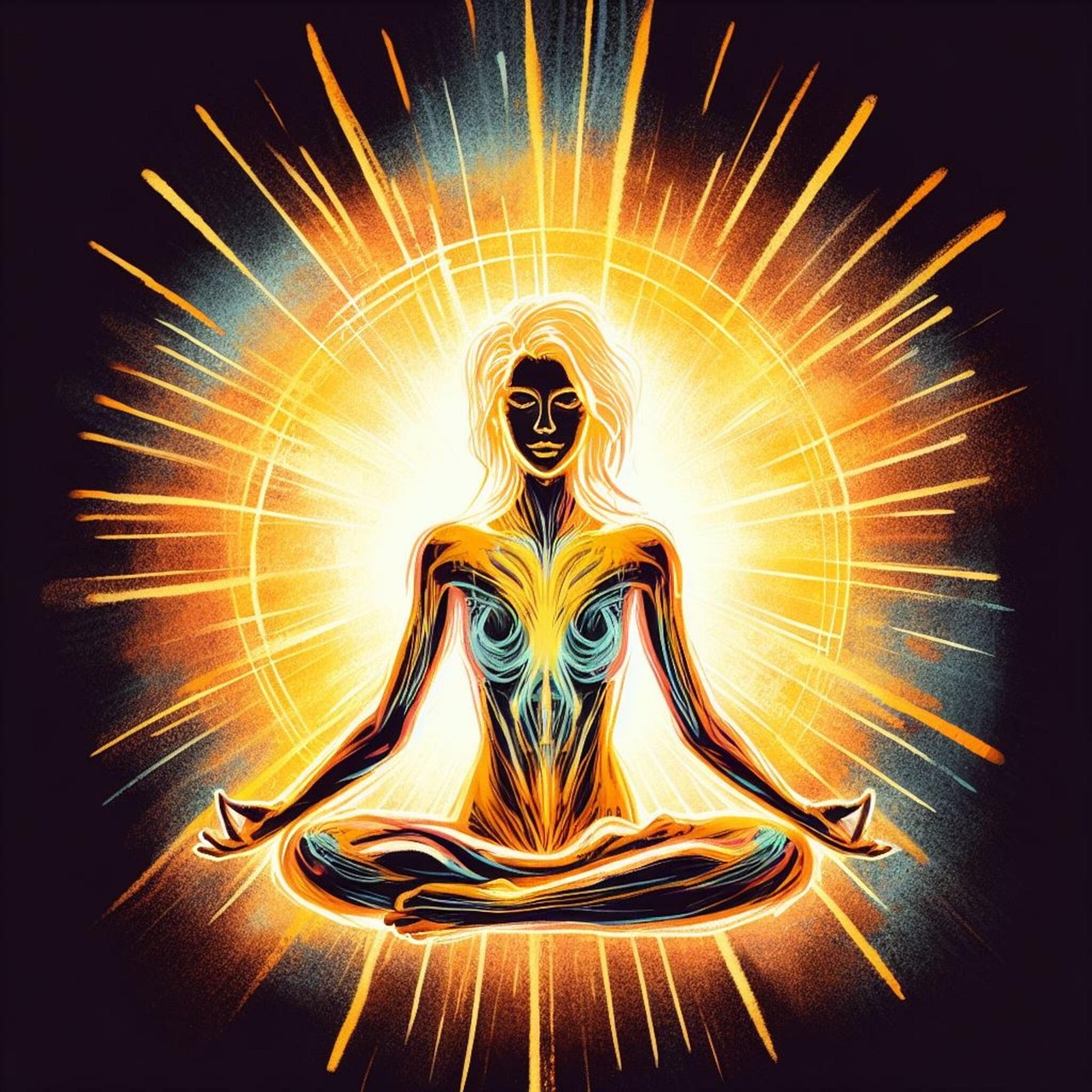

Chakra-Based Breathing Exercises to Reduce Performance Anxiety
Performance anxiety can seep into various aspects of our lives, causing stress and diminished confidence. For many, this can hinder their ability to perform at their best. Utilizing the concept of chakras, which describe energy centers in the body, can provide effective relief through specific breathing exercises. Performance anxiety often originates in the body’s energy centers becoming blocked or unbalanced. Understanding these energy centers, particularly the root chakra located at the base of the spine, is beneficial. It governs our foundation and feelings of safety. Engaging in exercises that stimulate the root chakra can assist in alleviating anxiety. This is achieved by grounding oneself through inhaling deeply while picturing a secure red light glowing at the base of the spine. Balance and clarity begin to emerge as energy flows more freely. Incorporating these exercises into a daily routine will enhance one’s ability to manage performance anxiety effectively. Moreover, these techniques foster awareness and promote relaxation, allowing you to focus on the present moment and improving overall performance.
Understanding Chakras and Their Influence
Chakras are thought to impact various emotional and physical aspects of our lives. Each chakra corresponds to different areas, energy, and emotional aspects that influence how we perceive and respond to anxiety. The sacral chakra, for instance, relates to emotions and creativity, while the solar plexus chakra governs personal power and confidence. By exploring these energy centers, individuals can identify specific areas which may require focus for managing anxiety. Such exploration allows a connection with emotions, possibly revealing underlying fears or triggers. When performance anxiety is felt, often linked to the solar plexus, recognizing its influence can empower one to harness breathing exercises tailored for it. These targeted chakra balancing techniques promote authenticity and emotional expression. Often, a sense of fullness or confidence returns, helping to improve overall performance and lower anxiety levels. Incorporating exercises focused not only on the root chakra but surrounding energy centers can significantly enhance results, allowing for a more holistic approach in managing anxiety. Awareness and intentional breathing techniques can lead to substantial improvements in one’s overall mindset and decrease anxiety.
Breathing exercises are not just physical actions; they play a significant role in emotional well-being and energy balancing. Practicing mindful breathing is an essential method for controlling anxiety and energizing the body. Starting with the root chakra, take a seated position, and visualize the grounding energy it embodies. Inhale deeply through your nose, allowing your abdomen to expand fully, and exhale slowly through your mouth. This rhythmic experience of breath helps to release stress and reestablish the flow of energy throughout the body. Ensuring that you maintain a steady and relaxed ambiance is vital for the best results. Consider the surroundings, adding calming scents or sounds if preferred. Proceed with focusing this energy within through repeated inhalation and exhalation. Over time, this practice creates a sense of security and comfort where anxiety resided before. Explore different rhythmic patterns of inhalation and exhalation that may resonate best with you, fine-tuning these practices to enhance the benefits. Regular practice leads to gradually improved emotional regulation, allowing for a more confident performance in various aspects of life.
Enhancing Awareness Through Breathing
Increasing awareness is crucial in effectively reducing performance anxiety. The practice of breath awareness allows individuals to ground themselves within the present moment, breaking the cycle of anxious thoughts. Beginning with simple exercises, focus entirely on breath, observing inhalation and exhalation without judgment. With each breath in, visualize vibrant energy flooding each chakra, while expelling tension with every breath out, cultivating openness and balance throughout the energy centers. This technique not only focuses on relaxation but helps identify areas where anxiety may still linger. It fosters an understanding of how thoughts trigger physical reactions in the body. With practice, individuals may find it easier to recognize anxiety and employ techniques to combat it. Breathing becomes a tool for empowerment. In stressful situations, accessing breathwork can be an immediate source of relief. Being aware of physical sensations linked to anxiety can heighten your reactions and thus facilitate quicker engagement with breath-based techniques. The more one practices breath awareness, the less intimidating performance situations become, leading to improved performance and confidence in challenging scenarios.
Next is the heart chakra, which is essential for cultivating compassion and connection with oneself and others. Performance anxiety may often derive from fear of judgment or rejection. Utilizing breathing exercises focused on the heart chakra can mitigate these feelings while enhancing emotional resilience. Inhale deeply through your nose while envisioning a vibrant green light spreading from the heart center. Hold for a moment and gently exhale, releasing self-doubt and negativity. Feel this energy grow with each breath, creating a strong emotional shield against anxiety. Fostering love, acceptance, and confidence helps to empower oneself. Engaging in affirmations alongside these exercises strengthens their effects. Phrases such as “I am capable” or “I embrace myself fully” will nurture self-worth while working through anxiety. In this way, breathing exercises become not just a physical practice but a profound emotional experience. Establishing a loving relationship with oneself supports overcoming barriers imposed by performance anxiety. This emotional foundation is essential in performance settings, as balanced energy translates into a confident presence capable of navigating challenges seamlessly.
Final Techniques and Continuous Practice
Integrating these breathing exercises into a daily routine fosters gradual progress toward managing performance anxiety effectively. Developing a personalized practice is essential for sustainable results. Consider establishing a specific time each day dedicated to energy healing and breathwork, even if brief. It’s beneficial to rotate the focus between chakras throughout the week, ensuring no energy center remains neglected. Continue experimenting with different breathing patterns individualized to resonate most favorably. Additionally, documenting experiences in a journal can aid in recognizing patterns or shifts regarding anxiety levels. Over time, you’ll find what techniques are most effective for you. Permit flexibility in this practice to cultivate a sense of ease rather than pressure, furthering the relaxation response. Engaging with sounds, nature, or quiet environments while practicing can enhance effectiveness. Consistency reinforces self-efficacy, and a confident mindset develops. Breathe with intention; effortlessly integrate these practices into life. Performance anxiety can transform into a catalyst for personal growth with regular engagement, allowing for a holistic life infused with strength, resilience, and authentic self-expression.
Ultimately, embracing the power of chakra-based breathing exercises equips individuals with tools to manage performance anxiety more effectively. These practices come from ancient wisdom specially tailored for modern challenges, seamlessly merging body and mind. Reconnecting with energy centers, fostering balance, and enhancing awareness empowers personal transformation through breath. Realizing that performance anxiety is a shared experience can instill comfort and understanding. Engage openly, explore, and practice self-compassion, knowing that overcoming these hurdles is achievable. Embrace the journey, one breath at a time. The dedication to continuous practice allows for individual progress, where confidence begins to flourish. Make these exercises a valuable part of daily routines, facilitating a lifestyle promoting overall mental well-being. As individuals learn how to navigate anxiety, performance in all aspects of life can improve, yielding rewarding experiences. Start today with mindful breathing, focusing on each chakra as you gradually master your emotional state rather than maintaining a state of anxiety. Nurture your energy centers, and you will traverse life’s challenges with clarity and confidence.
Performance anxiety often has roots deep within, making chakra awareness and breathing essential. By recognizing and harmonizing these energy centers, individuals can not only alleviate anxiety but also empower their authentic selves. Taking time to prioritize emotional wellness is an investment in personal and professional growth. With dedication and mindfulness practices such as breathing exercises, one can gradually reshape relationships with performance anxiety. These practices offer not only immediate relief but lasting transformation, allowing for a more profound connection to oneself. As the journey continues, remember to adapt techniques according to your evolving needs. In doing so, one can promote comprehensive healing and encouraging moments where anxiety has previously thrived. Each inhalation serves as an opportunity to reclaim personal power, dissipate fear, and celebrate achievements. It’s this journey toward recognizing and understanding the mind-body connection through energy healing that lays the groundwork for true personal metamorphosis. Start with a simple breath and watch as the ripple effects positively influence your performance in every aspect of life. Therefore, embrace these practices and witness how much they can change life’s narrative for the better.