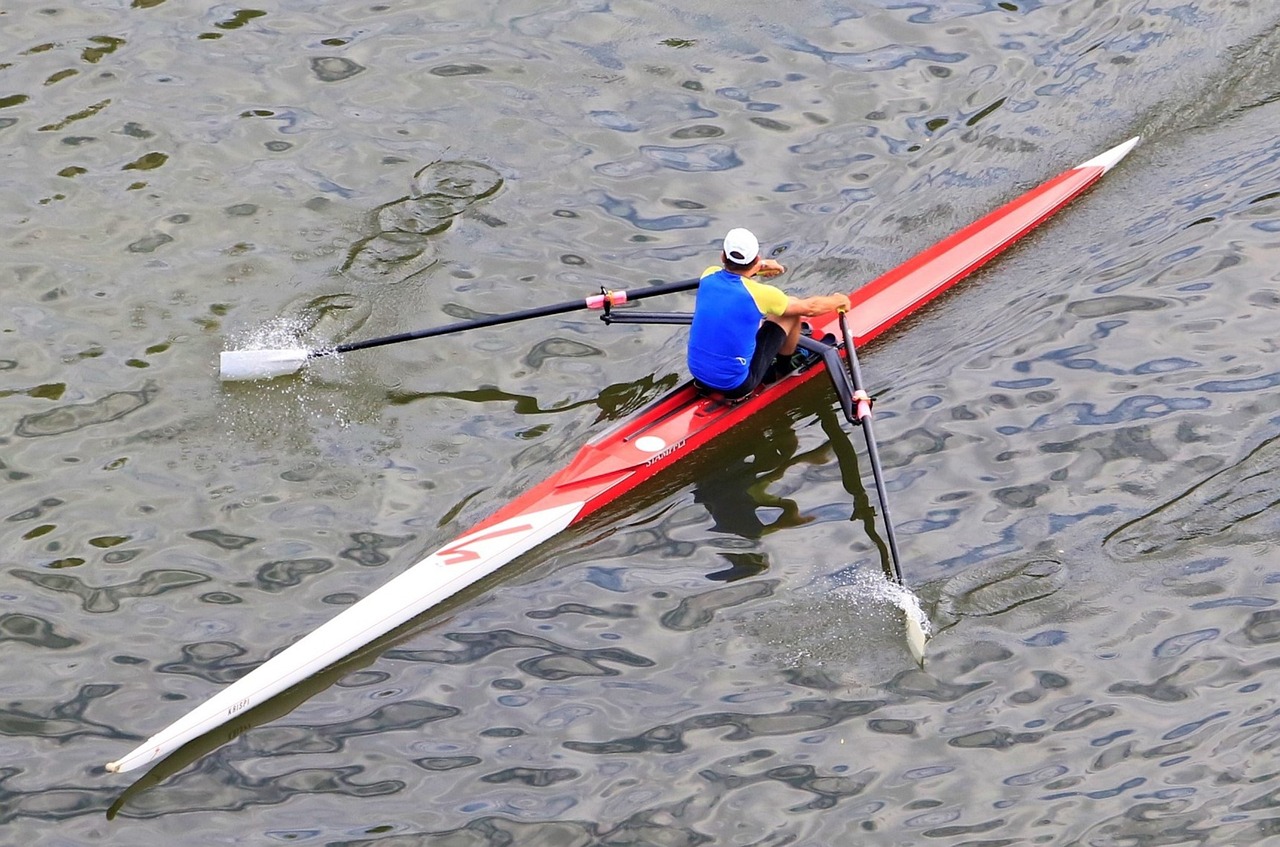

The Journey of Olympic Rowing Champions: Stories of Determination
Rowing has long stood as a sport that epitomizes grace and strength, demanding rigorous training and unyielding perseverance. Olympic rowers exemplify these qualities, embodying dedication throughout their careers. Their journeys often begin at a young age, where passion for the water intertwines with disciplined coaching. Many start in local clubs, honing their skills through countless hours of practice. As they progress, aspiring Olympians participate in regional competitions, gaining invaluable experience against formidable opponents. Some rowers find success quickly, while others face setbacks, learning from defeats instead of retreating. The journey requires not only physical stamina but also mental resilience. A strong support system, including family and friends, helps foster this journey. These athletes frequently travel extensively, creating lasting memories along the way, with each race reinforcing their dedication. The rigorous competition at the Olympic level is unlike any other, pushing rowers to their limits. This article showcases the stories of exceptional rowing champions who have overcome adversity and challenges to reach the Olympic stage, highlighting not only their achievements but also the inspiring narratives behind their relentless pursuit of mastery.
The Early Years: Building Blocks of Success
The early years of an Olympic rower’s life lay the foundation for their future success on the water. Most champions begin rowing in their teens, discovering their affinity for the sport by chance or personal recommendation. Clubs often recruit youth based on their physical prowess and drive. Early training consists of learning the fundamentals of rowing, teamwork, and racing strategies. Many young athletes experience the joy of competing in local regattas, where the thrill of competition ignites their desire to excel. Some rowers excel in lightweight categories, learning how to optimize their weight without losing speed. Practicing under diverse weather conditions equips them for Olympic training camps’ challenges. During this time, athletes face personal sacrifices, prioritizing training over social activities. Furthermore, many manage academic responsibilities alongside their passion for rowing. Supportive coaches mentor them through difficult times, instilling in them crucial lessons about commitment and hard work. It is not uncommon for early setbacks, like injuries, to derail plans temporarily, but resilience becomes a vital lesson. Young rowers learn to bounce back stronger, invested in realizing their dream of Olympic glory, unaware of the rigorous journey ahead.
Training Regimes: The Path to Olympic Competitiveness
Olympic rowers follow rigorous training regimes tailored to enhance performance on race day. Their daily routines often include multiple sessions in the water, complemented by strength and conditioning workouts. Many athletes dedicate countless hours to perfecting their strokes, ensuring a smooth, fluid motion with every row. This process can involve working closely with coaches, receiving feedback to refine techniques and strategy. Ergometer sessions help athletes build endurance and assess their rowing efficiency. Outside the water, they engage in cross-training activities like cycling or swimming, supplementing their rowing skills. Nutrition also plays a critical role, as rowing demands high energy levels; thus, a balanced diet is essential. Hydration is emphasized throughout training sessions to maintain peak physical performance. Quality sleep is equally crucial, allowing athletes to recover and rejuvenate their bodies. Mental conditioning through visualization and mindfulness practices promotes focus during high-pressure races. While commitment to exercise and training is paramount, maintaining balance is equally important to avoid burnout. These intensive preparations culminate in crucial events, where athletes put their training and skills to the ultimate test, seeking to achieve their Olympic dreams.
Adversity and Challenges: Overcoming Obstacles
Every rower’s journey is fraught with adversity and challenges that test their commitment and resolve. Injuries can strike unexpectedly, hindering training regimens and throwing athletes off course. Cases like stress fractures or tendonitis are common among rowers, resulting in missed competitions and invaluable training time. But overcoming such challenges becomes a narrative of resilience, teaching athletes how to adapt. Facing such hurdles often leads rowers to reassess their techniques, focusing on rehabilitation and injury prevention strategies. Psychological pressure also looms large, particularly during Olympic trials, as athletes compete against qualified counterparts. The pressure to perform can be overwhelming, often requiring mental conditioning techniques. Every setback presents opportunities for growth, transforming potential negatives into lessons learned. Supportive networks of coaches, teammates, and family play a critical role in their journeys, providing encouragement and reinforcement to persevere. Some rowers even harness their experiences to inspire others, sharing insights into their struggles. The road to success is rarely linear; champions learn to embrace challenges as lessons rather than roadblocks, solidifying their determination to reach Olympic heights against all odds.
The Role of Coaches and Mentors in Rowing
The importance of coaches and mentors in rowing cannot be understated; they play vital roles in shaping athletes’ careers. Effective coaching encompasses not only technical training but also motivational support during challenging times. Coaches often tailor training programs to meet individual athletes’ needs, ensuring optimal performance. They work closely with rowers, helping to refine their techniques and strategies, instilling vital race-day tactics. Moreover, mentors often contribute to the overarching development of athletes, reinforcing values of discipline, leadership, and teamwork. Some athletes develop lifelong bonds with their coaches, fostering trust that transcends mere instruction. In rowing, failure can teach valuable lessons, and coaches encourage young rowers to view setbacks as opportunities for improvement. Furthermore, mentors connect rowers to networks that open doors for scholarships and financing opportunities, essential for aspiring Olympians’ future development. Coaches also emphasize the importance of mental toughness, preparing athletes for the psychological challenges of elite competition. Change often comes with loss and success, highlighting the critical need for guidance from experienced professionals. In many cases, these relationships shape individuals who embody dedication, fundamentally transforming aspiring boys and girls into professional Olympians.
Rowing at the Olympics: The Ultimate Test of Skill
Competing at the Olympics is the pinnacle for any rower, representing the culmination of years of hard work and dedication. The world stage challenges athletes to showcase their skills against the best in the sport, pushing them beyond their limits. Athletes prepare years in advance, intensely focusing on their performance leading up to this moment. The pressure of competition can be overwhelming, and every detail matters. Rowers meticulously hone their techniques, ensuring each stroke is executed flawlessly, as even minor mistakes can lead to significant time loss. The Olympic environment is filled with heightened emotions, excitement, anticipation, and anxiety, impacting athletes’ mental states. Consequently, mental conditioning and focus are paramount in dividing field members. The atmosphere is electric, with passionate supporters cheering for their nations, adding to the thrill and pressure athletes experience. Competing at such prestigious events also unveils unexpected challenges, such as changes to athlete schedules, weather conditions, and course familiarity. Navigating these trials is essential for success during races. Ultimately, the Olympic experience is about more than medals; it is a testament to the persistent human spirit, showcasing resilience and incredible dedication in the face of unparalleled competition.
Celebrating the Legacy of Olympic Rowers
The legacy of Olympic rowers resonates long after competitions end, inspiring generations of aspiring athletes. Their stories are filled with triumph and adversity, showcasing what is possible through hard work. Many past champions actively contribute to the sport, serving as ambassadors who promote rowing at grassroots levels. They share their experiences at local clubs, providing mentorship to young rowers who aspire to follow in their footsteps. Celebrating Olympic rowers’ achievements fosters a strong sense of community, uniting their supporters, teammates, and fans. Documenting their journeys through books, interviews, and documentaries highlights the emotional highs and lows. Additionally, organizations and federations honor exceptional athletes, ensuring their contributions are not forgotten. The cultural impact of these rowers extends beyond sport, as they exemplify resilience, determination, and dedication. Many champions utilize their platforms to promote health and fitness, actively engaging in initiatives that encourage youth participation. Their advocacy leaves a profound imprint, encouraging future generations to embrace the waters. Through their unwavering commitment, these Olympians create lasting legacies, transforming lives and igniting the spirit of competition in aspiring rowers who dream of greatness.
This conclusion encapsulates the inspiring journeys of Olympic rowing champions. Their stories reflect the resilience and dedication that define the sport. Each athlete’s path is filled with trials, tribulations, and achievements, showcasing the relentless pursuit of excellence. Olympians serve as role models, inspiring younger generations to engage in sporting activities while fueling ambitions to reach future Olympic games. Through their experiences, these athletes share valuable lessons about hard work, discipline, and the importance of mental resilience. The stories of Olympic rowers strive to inspire camaraderie among participants, igniting further passions for rowing within communities. Each tale offers a unique glimpse into the world of competitive rowing, emphasizing the sheer willpower athletes demonstrate to triumph against adversity. As new generations take up the sport, they carry forward these rich histories, intertwining their experiences with Olympic legends. The impact of these athletes transcends sports, encouraging healthy lifestyles and perseverance. In conclusion, the journey of Olympic rowing champions serves as a beacon of hope and inspiration for many, ensuring the essence of rowing continues to thrive in the years ahead. This legacy lives on, inspiring athletes to pursue their ambitions and shape the future.