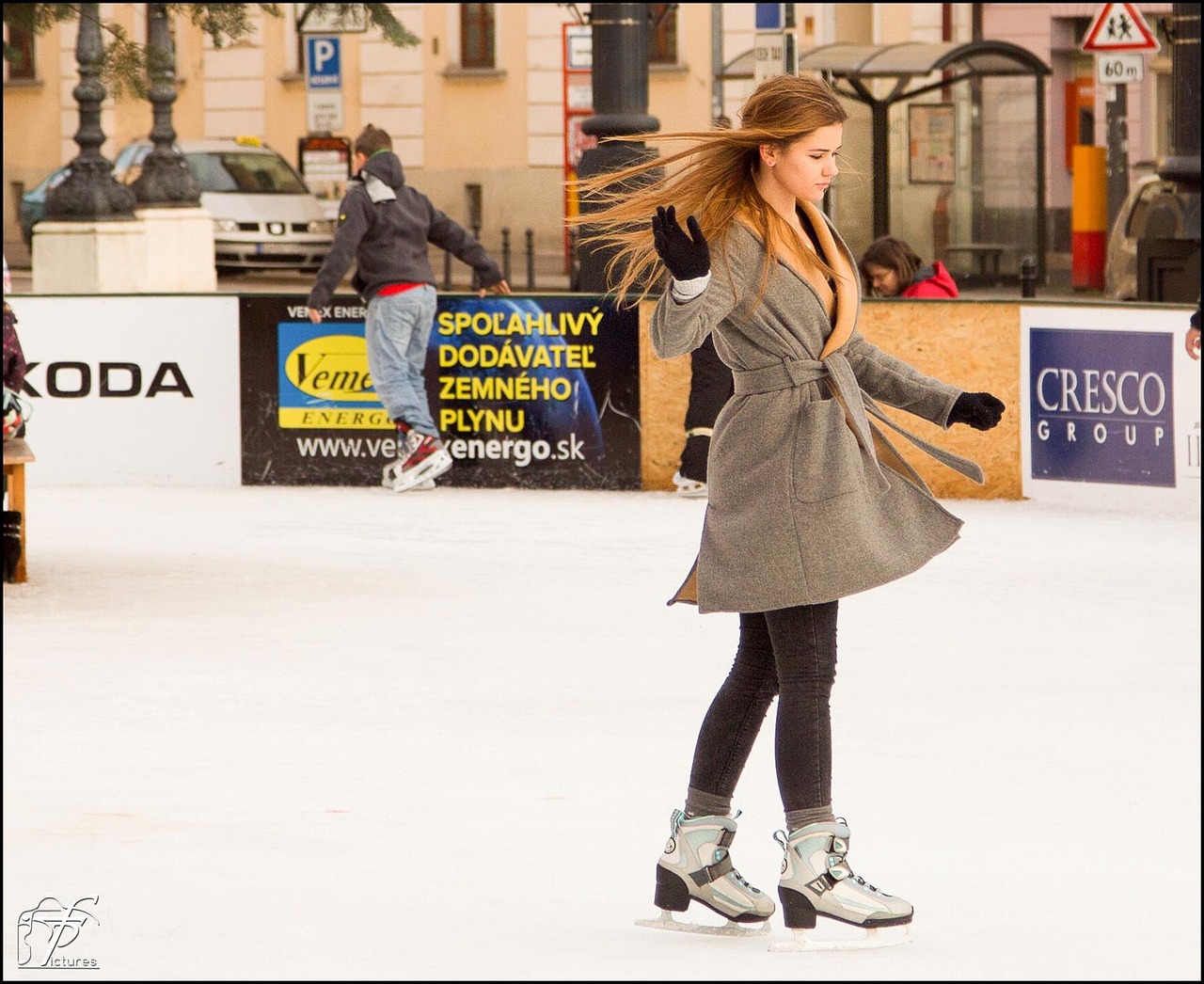

Promoting Inclusivity and Diversity in Skating Coaching
Skating coaching plays a vital role in both athletic development and personal growth, yet it often lags behind in inclusivity and diversity. Coaching should cater to everyone, regardless of their background, ability, or identity. When we talk about inclusivity, we mean creating an environment where skaters feel welcomed and appreciated. Diversity goes hand-in-hand with inclusion, making sure that everyone’s unique perspectives contribute to the collective experience. As skaters, whether young or old, should feel safe and confident, empowering them fosters resilience, discipline, and a love for the sport. Effective skating coaching includes understanding various cultural backgrounds, enabling coaches to connect better with skaters. Coaching clinics and educational programs focusing on these dimensions are essential to nurture an inclusive culture. Coaches must actively recruit underrepresented groups into their programs, ensuring diverse representation. Moreover, promoting qualifications among coaches who reflect a range of identities can break stereotypes, offering role models to all skaters. Moreover, skate parks are encouraged to host events that support diversity by showcasing talent from various communities. This ultimately leads to a richer skating culture, encouraging creativity and camaraderie in unique ways.
Implementation of initiatives fostering inclusivity within skating coaching is crucial. One vital component is to create partnerships with diverse organizations aiming for inclusivity. Such collaborations not only raise awareness but also increase participation rates in skating activities across a variety of demographics. Participating in community outreach programs creates rapport with marginalized populations who may be interested in skating but have not had the opportunity. Schools, youth centers, and different organizations focused on minority communities should also be approached to introduce skating as a viable sport for all. Specific mentorship programs pairing experienced coaches with newcomers can further build relationships based on trust and understanding. As a result, participants will be encouraged to find their passion for skating. It is essential to facilitate dialogues among participants, sharing stories related to their struggles and achievements. These narratives can foster a sense of belonging, essential for a thriving coaching environment. Furthermore, considerations must also be given to promoting adaptive skating programs tailored towards individuals with disabilities. Building awareness around adaptive skating includes informing coaches about the necessary equipment and techniques, making skating genuinely accessible.
Cultural Sensitivity in Skating Coaching
Understanding cultural sensitivity in skating coaching enhances the training environment significantly. Coaches need to recognize the varied backgrounds of their skaters. This understanding directly contributes to tailoring coaching approaches that resonate with each individual’s needs. Cultural sensitivity in coaching minimizes misunderstandings and promotes mutual respect among skaters. Fundamental to achieving inclusivity is acknowledging and celebrating the different cultures represented in skating programs. Implementing regular workshops focused on cultural sensitivity will help coaches interact more effectively with skaters. Additionally, creating team-building events that celebrate diversity can foster unity in the group. Coaches should aim to utilize diverse training methods that reflect the skating styles of different cultures. Furthermore, encouraging open discussions and inviting skater feedback can help coaches refine their techniques and approaches. Regular assessments of cultural awareness within coaching practices ensure necessary adjustments are made. By making these efforts, skating coaches can create an environment where all races, ethnicities, and cultures feel valued and understood. Ultimately, respecting diverse backgrounds not only enhances skating as a sport but also strengthens community ties, reinforcing why diversity is paramount in all sports, including skating.
In addition to cultural sensitivity, ensuring equitable access to resources is fundamental for inclusive skating coaching. In many cases, socio-economic barriers often limit participation. Skateboards, protective gear, and coaching fees can deter enthusiastic skaters, particularly from low-income backgrounds. Therefore, coaching programs should be proactive in removing financial barriers. Implementing scholarships and free classes can significantly enhance accessibility, allowing everyone to explore their passion for skating. Connecting with local businesses to sponsor equipment or offer discounts can also alleviate financial pressures on participants. Furthermore, transportation to training facilities can be a challenge, so solutions such as carpool systems or subsidized transport should be explored. Schools and local governments may also collaborate to secure funding for community skating initiatives, promoting inclusivity. Additionally, encouraging community involvement can enrich programs by having volunteers assist with equipment, on-site coaching, and fostering a warm environment. Recognizing and addressing these barriers actively reinforces an inclusive community atmosphere. Coaches should regularly assess the needs of their participants, keeping track of their progress. Through dedicated support for all skaters, coaches can cultivate an environment where everyone feels they have the opportunity to thrive.
Role of Events in Promoting Inclusivity
Hosting events designed to promote inclusivity and diversity greatly enriches the skating community. Competitions focused on encouraging participation from historically marginalized groups serve to affirm their place in the sport actively. Events that highlight various skills and creativity create an inclusive atmosphere where everyone is celebrated for their unique talents. Furthermore, integrating workshops within events can enhance learning opportunities for participants. Skill development sessions, where diverse coaches share their techniques, broaden skaters’ perspectives. Ensuring that all events are accessible also means accommodating those with disabilities, allowing a wider range of participants. Local partnerships with organizations can help facilitate such events, spreading awareness. Use promotional materials that reflect the diversity of the skating community, showing that skating truly belongs to everyone. Creating platforms for underrepresented skaters to showcase their skills sends a powerful message of acceptance. Celebrating diversity through awards or recognitions can inspire future generations to engage in skating. Establishing inclusive events not only showcases talent but builds a supportive community. Collaboratively, these efforts reaffirm skating’s role as a unifying force, ultimately promoting a culture where everyone feels respected and valued.
To sustain inclusivity in skating coaching, ongoing education for coaches is a priority. Continuous professional development ensures that coaches keep up with evolving methodologies and understand the latest trends promoting inclusivity. Implementing training sessions focusing on equity, diversity, and communication can enrich coaches’ expertise. Such workshops facilitate how coaches interact with skaters from various social and cultural backgrounds. Moreover, this ongoing education cultivates empathy, allowing coaches to foster trust and respect among skaters. Creating a community of practice among coaches can lead to exchanging best practices regarding increasing inclusivity within programs. Sharing experiences, such as successful outreach efforts, can inspire innovation. Coaches must be encouraged to participate in forums or networking events aimed at promoting inclusion in sports. Highlighting success stories can motivate coaches to embrace diversity actively, leading to cultural shifts in coaching styles. Encouraging feedback from both coaches and skaters will further inform improvements in programs. By investing in the growth of coaches, skating communities can cultivate a supportive and welcoming atmosphere, ensuring that inclusivity remains at the forefront of skating coaching for years to come.
In conclusion, promoting inclusivity and diversity in skating coaching requires collective efforts from coaches, community members, and organizations. This multifaceted approach ensures everyone has a place in the skating world, fostering creativity and togetherness. Awareness is the first step toward inclusivity, followed by action-oriented initiatives focused on addressing barriers. Coaches play a vital role as mentors and advocates for underrepresented groups, enhancing the culture of skating in their communities. By collaboratively hosting inclusive events, implementing equitable access paths, and committing to ongoing education, the community can thrive. Encouraging respect and understanding among diverse skaters will ensure an enriched community atmosphere. The collective efforts ultimately shape a nurturing environment where every skater can grow and excel. Communities benefit from diverse perspectives, ultimately leading to innovative developments in skating. Therefore, fostering an inclusive culture is not merely a nice-to-have but a necessity for the overall growth of skating as a sport. Together, let’s pave the way for acceptance in skating, creating an enduring impact that resonates beyond the ice or the park, leading to a brighter future for all skaters.