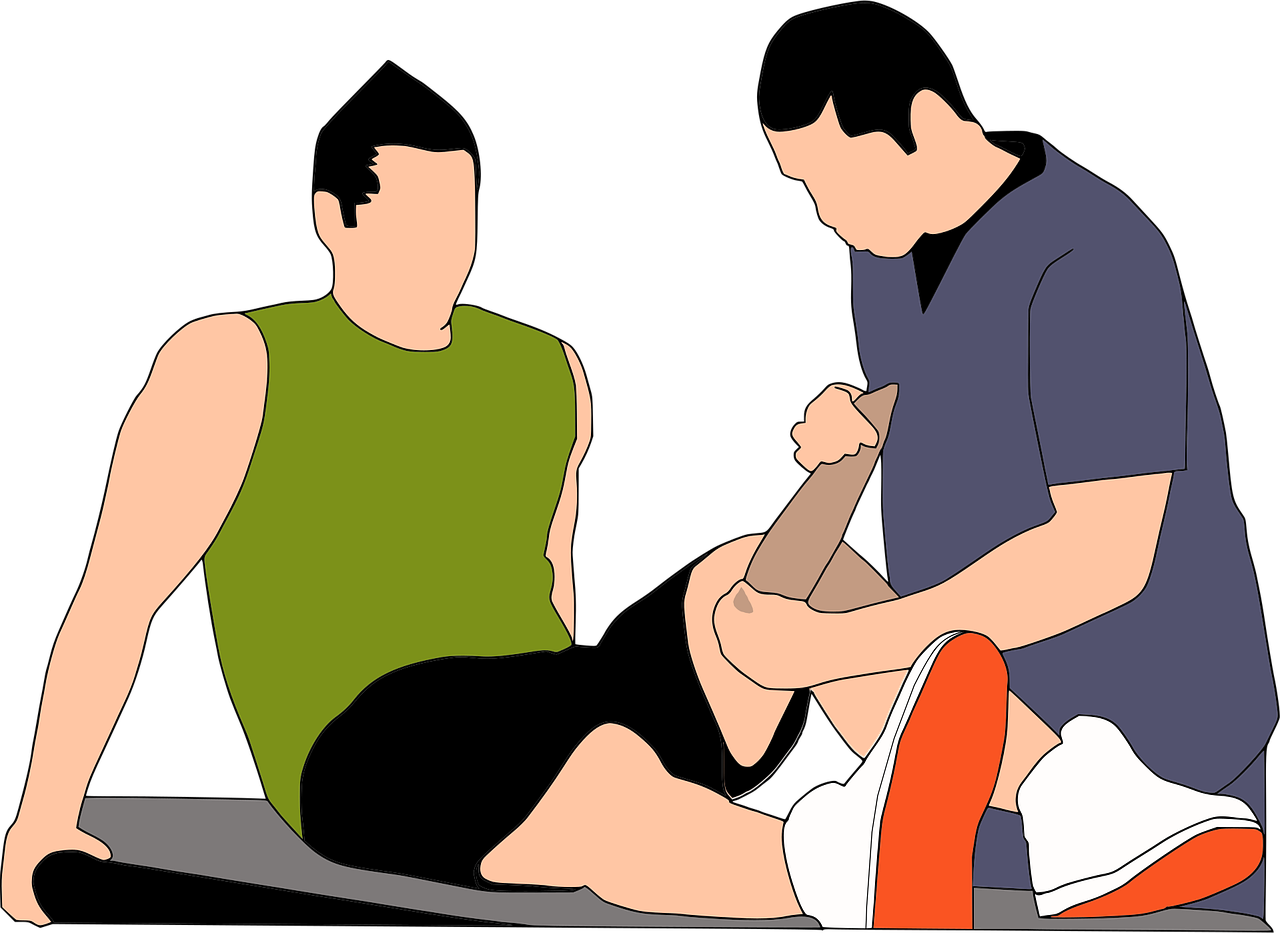

The Importance of Ethics in Sports Medicine Careers
Ethics play a crucial role in shaping the careers of sports medicine professionals. The nature of their work, which often involves critical decisions about players’ health and well-being, demands a strong ethical framework. Ethical practices ensure that the athletes receive the best possible care while maintaining the integrity of the sport. Sports medicine professionals are tasked with not only treating injuries but also preventing them. This dual responsibility makes it essential for practitioners to adhere to ethical standards. These standards establish a clear boundary between appropriate care and exploitative practices that could jeopardize an athlete’s health. Commitment to ethics fosters trust between practitioners and athletes, essential for effective treatment. Moreover, robust ethical principles can guide professionals in navigating complex situations, such as confidentiality and consent. The ability to make informed decisions based on strong ethical guidelines empowers practitioners to advocate for their patients. In a context where career paths in sports medicine are diverse, commitment to ethics remains a foundational requirement for all professionals in the field. Upholding ethical standards leads to better outcomes, not only for individual athletes but for sports overall.
Understanding the different career paths in sports medicine requires a strong grasp of ethics as a foundational element. Many practitioners, including physiotherapists, sports psychologists, and athletic trainers, face ethical dilemmas regularly. These dilemmas can arise from conflicts of interest, pressure to return athletes to the game prematurely, or issues related to performance enhancement. Navigating these challenges demands sound ethical judgment and adherence to industry standards, ensuring that athlete welfare remains paramount. A commitment to ethics in sports medicine can prevent situations where an athlete’s health is compromised for competitive advantage. Moreover, the rapid evolution of sports science technology introduces new ethical considerations, such as the use of wearable technology in monitoring performance and health. Practicing transparency and honesty becomes crucial when dealing with new technologies to build trust among athletes and stakeholders. Continuous education on ethical standards for sports medicine professionals is essential, as these principles provide guidance in applying knowledge responsibly. Furthermore, organizations should promote a culture of ethics, supporting practitioners to voice concerns and seek guidance. This comprehensive understanding of ethics enhances professional reputation and integrity across all sports medicine sub-disciplines.
Ethical Considerations in Athletic Training
Athletic trainers have a significant role in upholding ethical standards in sports medicine. Ensuring that athletes are not pressured to perform under unsafe conditions is essential for long-term health. Athletic trainers must advocate for their athletes’ health and safety, acting as both care providers and educators. Ethical considerations include monitoring athletes for signs of injury and recommending appropriate rest or intervention when necessary. The responsibility extends to educating athletes on the importance of injury prevention and overall wellness. Through their actions, athletic trainers can influence athletes’ attitudes toward health, which may carry lifelong benefits. Additionally, trainers must maintain confidentiality, handling sensitive health information with care. This ethical obligation fosters a trusting relationship between trainers and athletes, which is fundamental for the healing process. Guidance from professional organizations, such as the National Athletic Trainers’ Association, reinforces the importance of ethics in practice. Awareness about the ethical obligations can inspire trainers to maintain high standards for the care they provide. Thus, adherence to ethical principles serves as a roadmap for helping athletes navigate their sports careers safely and healthily.
Ethical challenges are not limited to athletic trainers; physicians also face dilemmas that significantly impact their practice. Sports physicians are responsible for diagnosing and treating injuries while adhering to a strong ethical code. Ethical issues often arise when considering treatment options, return-to-play decisions, or even the influence of sponsors on treatment recommendations. The necessity of prioritizing athletes’ health above external pressures speaks volumes about sports medicine ethics. Additionally, staying informed about the latest research and evidence-based practices is crucial for ethical decision-making. Physicians must engage in continuous education to ensure they provide accurate information to athletes and their families. The resolution of ethical dilemmas often involves collaboration and communication with other healthcare professionals. This multidisciplinary approach can enhance decision-making processes, ensuring that all perspectives are considered. Ultimately, the ethical practice of sports medicine fosters an environment where athletes can thrive without sacrificing their well-being. A physician’s commitment to ethics paves the way for healthier sports environments and improved athlete outcomes, linking ethics directly back to successful career pathways.
The Role of Ethics in Sports Psychology
Sports psychologists also play an essential role in maintaining ethical standards within sports medicine. These professionals work on the mental aspects of athletic performance while ensuring that athletes receive appropriate mental health support. Ethical guidelines for sports psychologists emphasize the importance of confidentiality, professional competence, and informed consent. Practitioners must navigate the complex emotional challenges that athletes face, from performance anxiety to career transitions. Thus, the psychologist’s ethical grounding shapes the therapeutic relationship, enabling athletes to explore their concerns openly. Furthermore, sports psychologists must also be aware of the potential impact of performance-enhancing substances on mental health. Encouraging athletes to uphold ethical standards can significantly affect their performance and mental well-being. Promoting a balanced perspective on competition, with an emphasis on personal growth and teamwork, can help athletes thrive. The work of sports psychologists contributes to overall athlete welfare, showcasing the need for ethics in their practice. By prioritizing ethics, sports psychologists contribute to the greater goal of fostering positive sports experiences that are healthy and sustainable for athletes.
Continuing professional development in sports medicine is essential for reinforcing ethical practice. Organizations and educational institutions should prioritize ethics training as part of their programs, emphasizing its importance in everyday situations. Workshops, seminars, and courses specifically focused on ethics can equip professionals with the tools they need to navigate complex issues. Furthermore, mentorship programs can provide emerging sports medicine practitioners with insights into ethical decision-making from seasoned professionals. Ideally, a culture of ethics starts at the education level, preparing future professionals for the challenges that lie ahead. Institutions should incorporate case studies that address real-life situations in their curriculum, emphasizing the repercussions of ethical breaches. Regular discussions surrounding ethics can help foster a proactive approach among practitioners, encouraging them to consider the ethical implications of their actions. Building a supportive professional network that values ethics will contribute to overall advancement in sports medicine. The continuous evaluation of ethical standards within the industry can facilitate the growth of a cohesive community dedicated to the welfare of athletes, leading to better career outcomes for professionals.
Conclusion
The intertwining of ethics and career paths in sports medicine forms the foundation for a successful and respected profession. Upholding ethical principles fosters a culture of trust, safety, and accountability in sports environments. It encourages sports medicine practitioners to prioritize athlete health and well-being above all else. The collaborative approach among various sports medicine professionals enhances the ethics discourse, confirming a shared commitment to ethical excellence. Often, public perceptions of sports organizations hinge on how well these professionals uphold their ethical standards. Effective training and continuous education can empower practitioners to embrace their ethical responsibilities effectively. Moreover, a strong ethical framework establishes transparency, enabling athletes to make informed decisions about their care. As sports medicine continues to evolve, the role of ethics will remain central to all its specializations. Professionals will need to meet new challenges while preserving the foundational ethical commitments that build credibility. Ultimately, ethics in sports medicine not only safeguards the athletes but also enhances the profession’s integrity, setting the stage for future success in career paths.
In conclusion, the promotion of ethics in sports medicine is paramount for ensuring the best outcomes for athletes and the profession alike. A commitment to ethical principles creates a foundation upon which practitioners can build their careers effectively. As they navigate complex situations, adherence to these standards empowers sports medicine professionals to act in the best interest of their patients. Furthermore, fostering a culture of ethics within teams and sports organizations can elevate the overall standard of care provided. It also ensures a healthy competitive environment that prioritizes the mental and physical aspects of athletics. Clear ethical guidelines and training will shape ethical awareness across all career paths within sports medicine. Additionally, sports medicine professionals should actively engage in discussing the ethical dimensions of their work. By doing so, they can collectively raise awareness and address contemporary ethical challenges head-on. Ultimately, as the sporting world continues to evolve, the role of ethics in defining successfully structured sports medicine careers does not diminish. Instead, it highlights the ongoing need for ethical vigilance and dedication to best practices in this vital field. With a shared commitment to ethics, the future of sports medicine looks promising and bright.